
 English
  Spanish
  German
  Russian
  Italian
  French
Polished aluminum turns a dull surface into a mirror-like finish that shows precision, care, and craftsmanship. In fields like automotive, aerospace, and electronics, polished aluminum doesn’t just look nice — it shows attention to detail and strong surface control.
Aluminum is light and corrosion-resistant, but it reacts quickly with air. This reaction forms a thin, cloudy, dull oxide layer. To restore its shine, polishing must go beyond mere looks. It removes oxidation, smooths the surface, and adds protection to slow down re-oxidation. This guide explains how to polish aluminum step by step, with clear, practical advice for both engineers and DIY users who want a professional result.
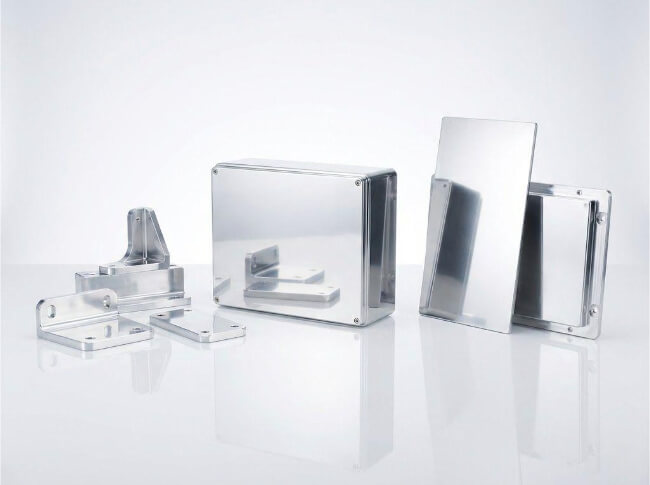
Why Polishing Aluminum Matters?
Polishing aluminum is not only for appearance. It improves the part’s performance, durability, and corrosion resistance.
When polished and sealed correctly, aluminum can reach up to 90% reflectivity, approaching that of chrome finishes. It can keep its shine for over a year indoors and for about 6 to 8 months outdoors in mild conditions. Smooth surfaces also collect less dirt and reduce friction in precise parts.
Polished aluminum is ordinary in:
- Automotive parts like wheels, tanks, and valve covers
- Aerospace components such as reflective housings and panels
- Architectural and consumer items that need a clean, modern look
Engineering Insight: Polishing can reduce surface roughness (Ra) from 1.2 μm to less than 0.05 μm, improving both reflectivity and corrosion resistance.
Understanding Aluminum Surface Behavior
To polish aluminum effectively, you must first understand how it reacts to air and pressure. Knowing its surface behavior prevents dulling and improves long-term brightness.
Why Aluminum Turns Dull?
When aluminum comes into contact with oxygen, it forms a thin oxide layer almost immediately. This layer protects the metal but scatters light, making it look faded. Polishing removes or evens out this layer, so light reflects evenly rather than spreading in different directions.
Research shows that polishing and sealing can increase gloss retention by more than 200% compared to untreated aluminum.
How Alloy Type Affects Polishing?
Different aluminum grades react differently during polishing.
- 1000 series (pure aluminum): Easy to polish but soft, scratches quickly.
- 5000 series (magnesium-based): Good mix of strength and brightness.
- 6000 series (magnesium-silicon): Harder to polish; requires more steps to achieve a mirror finish.
Design Tip: Harder alloys need slower buffing speeds and softer pads to avoid heat marks and swirls.
Tools and Materials You’ll Need
Set up a clean workspace before starting. Polishing produces fine dust and needs steady handling. Good preparation helps avoid rework and uneven results.
Basic Hand Tools
- Wet/dry sandpaper (400–3000 grit)
- Polishing compounds (cutting and finishing types)
- Microfiber or lint-free cloths
- Mild detergent or degreaser
- Spray bottle with clean water
- Nitrile gloves, goggles, and a respirator (P100 rated)
Power Tools for Faster Work
- Rotary or dual-action polisher with variable speed
- Bench grinder with cotton buffing wheels
- Small buffing attachments for tight or curved areas
Safety Tip: Avoid blowing aluminum dust with air compressors. Use damp cloths or a vacuum with a HEPA filter instead.
How to Polish Aluminum: Step-by-Step
Polishing aluminum combines science and craftsmanship. This guide breaks down each stage—from preparation to protection—to help you achieve a flawless, mirror-like finish.
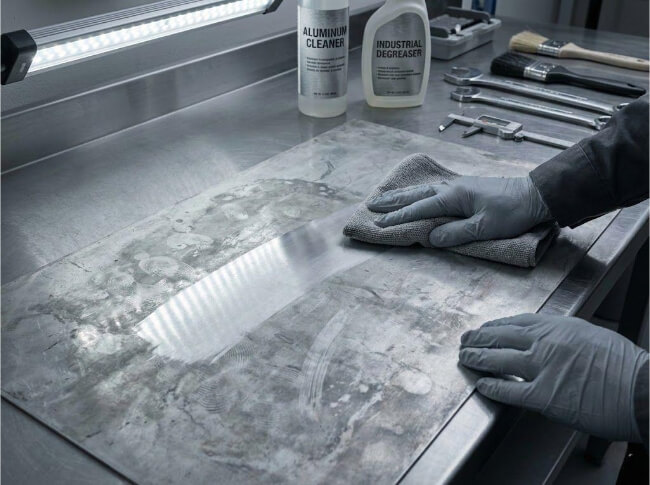
Step 1: Cleaning and Surface Preparation
Start with a clean surface. Dirt or grit can leave deep scratches once sanding begins.
- Wash the part with mild soap or degreaser to remove oils and dust.
- For oxidation, spray a 50:50 vinegar-water mix to lift dull layers.
- Rinse and dry with a soft microfiber cloth.
Inspect under intense light and note any visible lines or marks.
Pro Tip: Don’t use steel wool or wire brushes. Iron can stick to aluminum, leading to rust later.
Step 2: Sanding and Leveling the Surface
Sanding is the key step. It removes oxidation and prepares the metal for the polishing compound. Use sandpaper in progressive grit stages, as shown below:
| Type | Durability | Notes |
| Carnauba wax | 4–8 weeks | Natural shine, best for indoor parts |
| Synthetic polymer sealant | 3–6 months | Strong UV and moisture resistance |
| Clear coat or lacquer | 12 months+ | Long-term barrier, slightly reduces brightness |
Apply a thin coat with a soft cloth, let it haze slightly, then buff it clear. Two light coats protect better than one heavy layer.
Maintenance Tips
- Clean with neutral soap; avoid acidic or ammonia-based cleaners.
- Always dry the surface thoroughly after cleaning.
- Reapply wax or sealant every 3–6 months, depending on use.
Performance Data: Sealed aluminum can keep over 85% of its shine after 500 hours of humidity testing, while unsealed aluminum loses brightness in under 72 hours.
Common Mistakes to Avoid
Even experienced polishers can make minor errors that ruin the finish.
| Mistake | Effect | Solution |
| Skipping cleaning | Dirt causes scratches | Always clean before sanding |
| Using one grit for all steps | Uneven shine | Move gradually from 400 to 3000 grit |
| Pressing too hard when buffing | Heat and smearing | Use light, steady pressure |
| Ignoring PPE and ventilation | Dust irritation and contamination | Wear respirator and ensure good airflow |
| Forgetting the sealing step | Dull surface in a few days | Seal immediately after polishing |
Quick Check: If the surface turns dull again within a day, oxidation has begun. Lightly re-polish and apply a sealant to restore the shine.
After-Polish Maintenance
A mirror finish is just the start. Without care, polished aluminum will slowly lose its shine. Regular maintenance helps keep the surface bright, prevents oxidation, and extends its lifespan.
Routine Cleaning
Use neutral pH soap and warm water to remove dust, fingerprints, or grease. Avoid harsh cleaners like ammonia or bleach — they can damage the protective wax or sealant. Rinse thoroughly and dry with a soft microfiber cloth to stop water spots from forming.
For parts used outdoors or in factories, clean every 4–6 weeks to prevent corrosion.
Pro Tip: Always dry the surface completely. Water stains can form in as little as a day and lead to oxidation.
Storage and Handling
Store polished aluminum in a dry, low-humidity area. Wrap each piece separately in cotton or foam sheets to prevent scratches. If storing long-term, apply a thin layer of corrosion-inhibiting oil or polymer sealant to block air and moisture.
For machine or automotive parts, seal around edges and bolt holes — these areas oxidize faster.
Re-Polishing Schedule
How often you re-polish depends on where the aluminum is used:
| Environment | Re-Polish Interval | Maintenance Action |
| Indoor display or electronics | 12–18 months | Wipe and reapply wax |
| Outdoor structures | 6–8 months | Light buff with fine compound |
| Automotive or marine use | 4–6 months | Full reseal or polymer coating |
Engineering Note: In lab tests (90% humidity, 25°C), sealed aluminum maintained 87% of its gloss after 1 year, while unsealed aluminum dropped below 50%.
Real-World Applications of Polished Aluminum
Polished aluminum is valued not only for its looks but also for its performance. Smooth, reflective surfaces improve durability, cleanliness, and even heat management.
Automotive and Transportation
Polished aluminum combines beauty with function.
- Wheels and engine covers stay cleaner and resist corrosion.
- Intake manifolds reflect heat, improving performance.
- Fuel tanks and trims gain a premium appearance and better resistance to salt or dirt.
Aerospace and Precision Engineering
In aerospace, polished aluminum reduces drag and improves heat reflection. Highly polished surfaces (Ra < 0.05 μm) are used in optical housings, reflectors, and satellite mirrors, where light control and low weight are essential.
Architecture and Consumer Products
Architects choose polished aluminum for facades, signs, and lighting fixtures for its sleek, weather-resistant finish. In consumer goods — such as smartphones, appliances, and décor — a shiny surface signals quality and precision.
Conclusion
Polishing aluminum is more than just making it shiny — it’s a precise engineering process that controls how light reflects from the surface. Every step, from cleaning to sealing, affects both the appearance and performance of the metal. When done correctly, polished aluminum offers smoother movement, stronger corrosion resistance, and longer service life.
At TZR, polishing is a key part of our precision fabrication workflow. With over 10 years of experience in sheet metal fabrication, CNC machining, and surface finishing, our engineers combine craftsmanship with process accuracy to ensure every part meets high visual and functional standards.
If you’re developing an enclosure, bracket, or structural part that requires a flawless surface, we’re ready to support your project. Contact us at sales@goodsheetmetal.com to discuss your requirements or request a free quotation.
FAQs
Can I polish aluminum without sanding?
It’s possible, but not recommended. Polishing alone can’t remove deep scratches or oxidation. Sanding gives a smooth, even surface for proper reflection.
How can I stop aluminum from oxidizing again?
Apply a wax, polymer sealant, or clear coat right after polishing. For outdoor items, use a synthetic polymer that lasts up to six months. Keep the surface dry and reapply the sealant regularly.
Can anodized aluminum be polished?
Yes, but only after removing the anodized layer. The anodized coating is too hard for standard polishing and must be chemically stripped first.
How long does a polished finish last?
Indoors, a sealed finish can stay bright for 12–18 months. Outdoors, it may need a touch-up every six months, depending on the weather and exposure. The better the sealant, the longer the shine lasts.