TZR logo

5-Axis CNC Machining Services
for Complex Parts

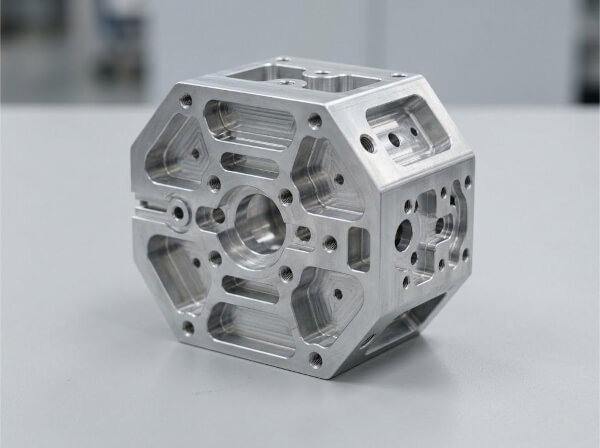
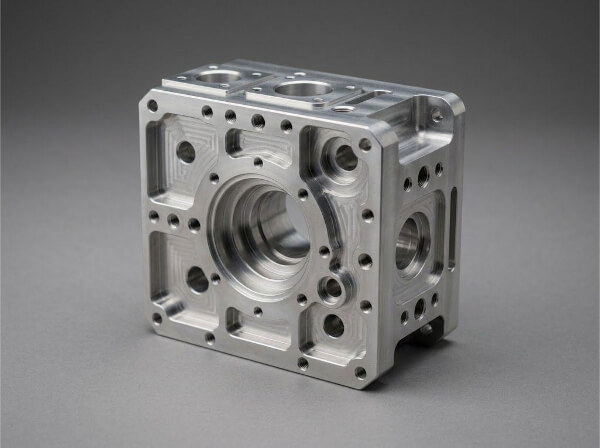
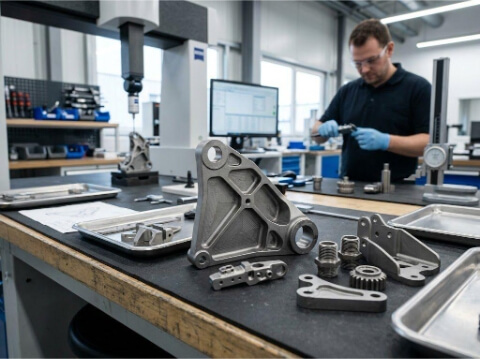
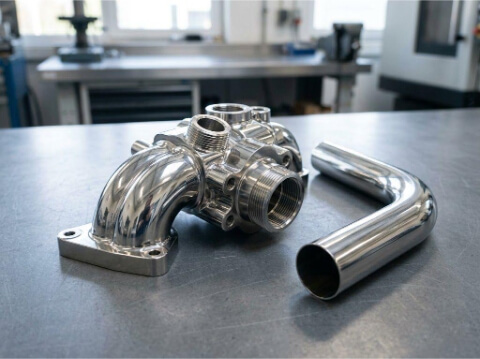
We machine complex parts in metal and plastic with 5-axis capability, helping reduce setups, improve feature access, and maintain stable machining accuracy.

Complex Geometry Support

Multi-Face Machining

Tight Tolerance Support

Better Feature Access

Prototype to Production

What Is 5-Axis CNC Machining?

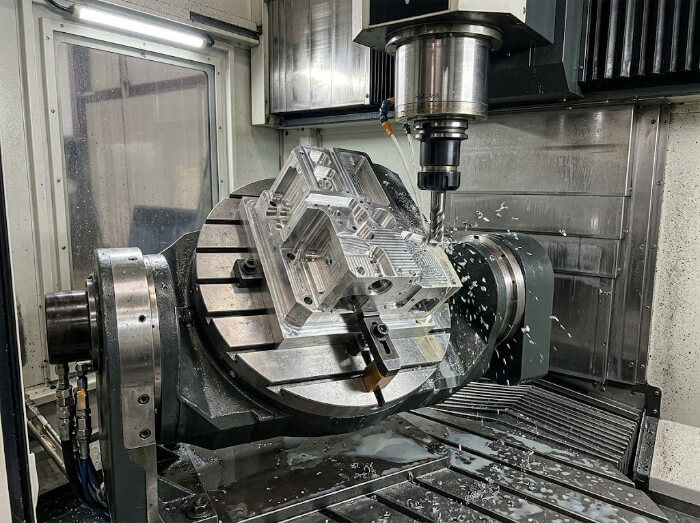
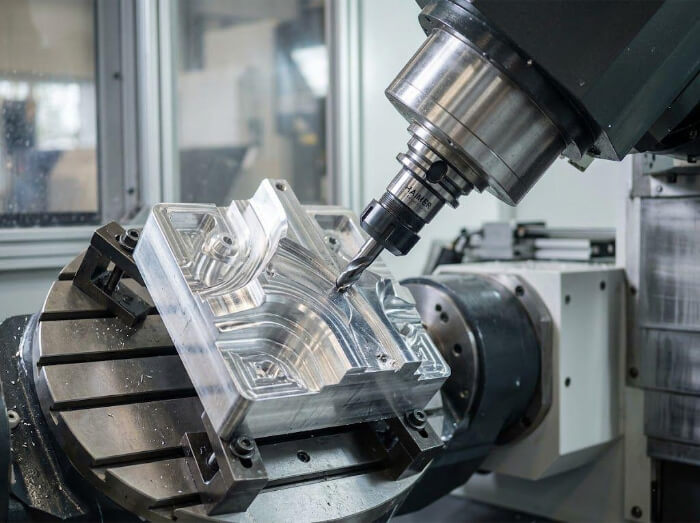
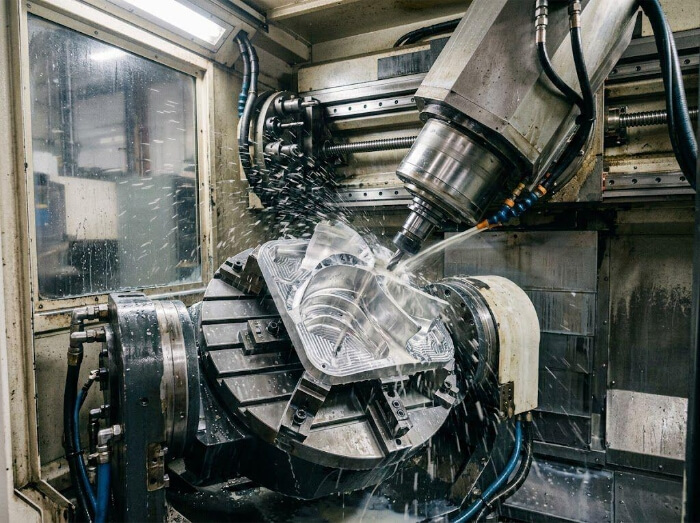
In CNC machining, 5-axis machining adds two rotational axes to the standard X, Y, and Z movement, allowing the tool to reach more angles and surfaces during machining. This makes it more suitable than standard 3-axis machining for parts with complex geometry, multi-face features, and difficult access areas.

By reducing setup changes and improving tool access, 5-axis machining can help improve consistency across multiple features and surfaces. It is commonly used for complex parts where precision, geometry control, and machining efficiency all matter.

Optional Quick Points

  • Better for complex geometry
  • Fewer setup changes
  • Better access to multi-face features
What Is 5 Axis CNC Machining

5-Axis CNC Machining Capabilities for Complex Parts

Our 5-axis machining service supports parts that require fewer setups, better multi-surface consistency, and access to more complex features.

Simultaneous 5 Axis Machining

Simultaneous 5-Axis Machining

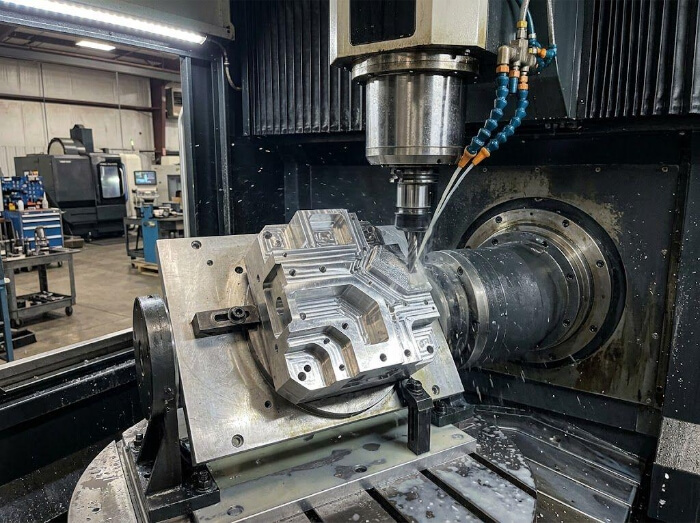
Suitable for complex surfaces and freeform geometry that require continuous multi-axis movement during machining.

Indexed 5 Axis Machining

Indexed 5-Axis Machining

Suitable for parts that require machining on multiple sides using fixed angular positioning between operations.

Complex Feature Machining

Complex Feature Machining

Suitable for parts with angled features, deep cavities, hard-to-reach areas, and other advanced geometric requirements.

Combined Turning and 5 Axis Machining

Combined Turning and 5-Axis Machining

For selected parts, we can support projects that require both rotational machining and complex multi-axis features.

Typical Parts for 5-Axis Machining

5-axis machining is often used for parts with complex geometry, multiple machining faces, or features that are difficult to reach efficiently with standard setups.

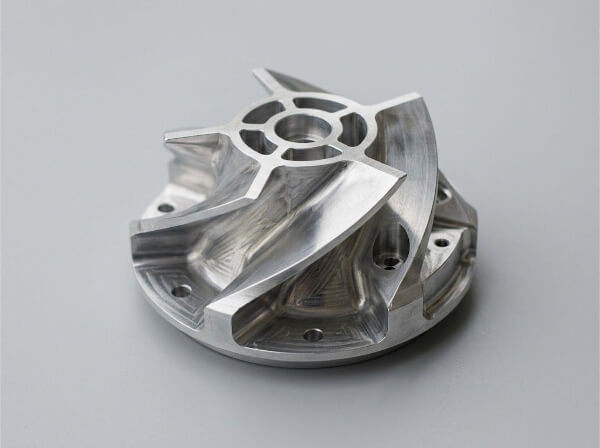
Impellers and Blades

Impellers and Blades

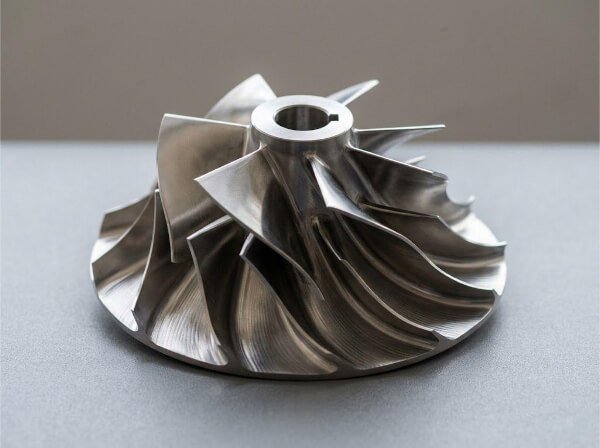
For parts with curved surfaces and complex contours.

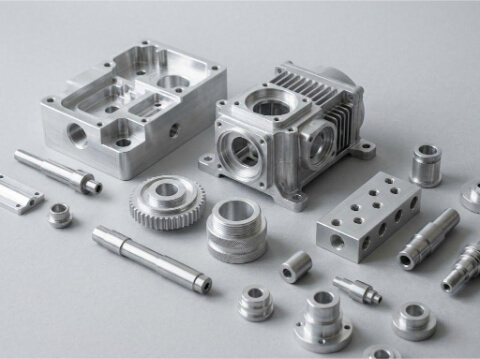
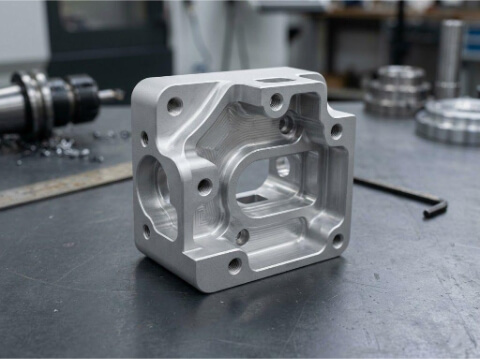
Multi Face Housings

Multi-Face Housings

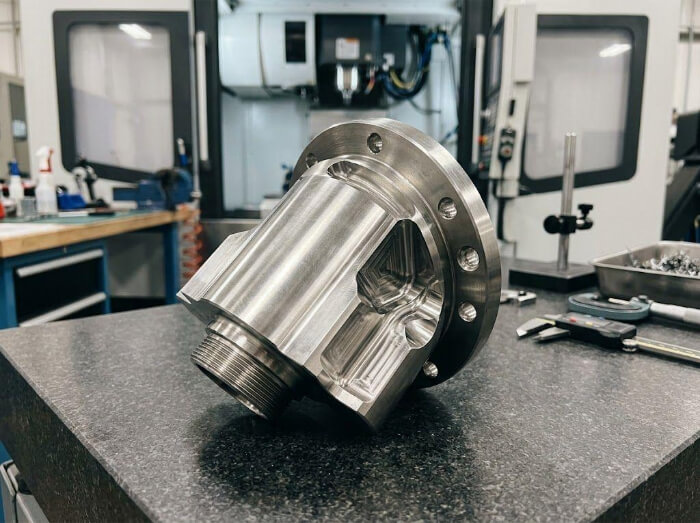
For parts that require machining on several sides with controlled feature alignment.

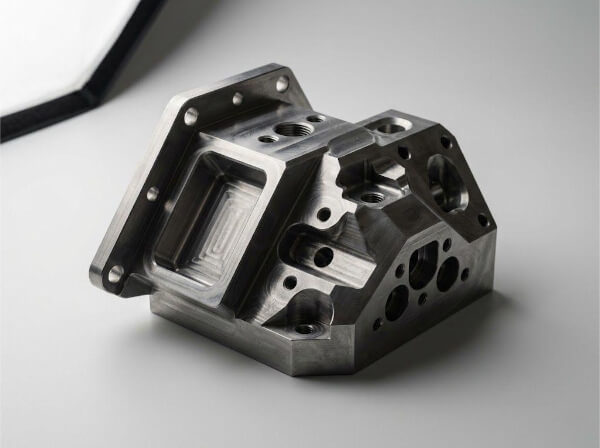
Angled Structural Parts

Angled Structural Parts

For components with inclined faces and hard-to-reach features.

Low Volume High Complexity Parts

Low-Volume High-Complexity Parts

For prototypes and small batches where complex geometry makes multi-setup machining inefficient.

Why Use 5-Axis CNC Machining?

5-axis machining is a practical choice for parts that require complex geometry, better accuracy across multiple surfaces, and fewer setup changes during production.

Complex Geometry

Complex Geometry

Suitable for parts with angled surfaces, sculpted forms, and hard-to-reach features.

Fewer Setups

Fewer Setups

More features can be machined in one setup, which helps reduce repositioning and improve workflow consistency.

Prototypes & Custom Designs

Higher Accuracy

Fewer setup changes help improve dimensional relationships and feature alignment across multiple faces.

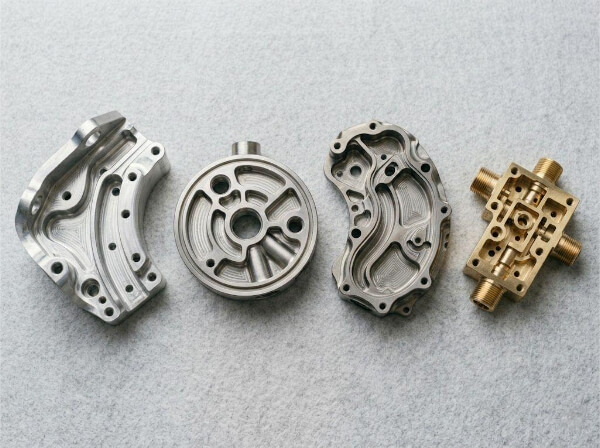
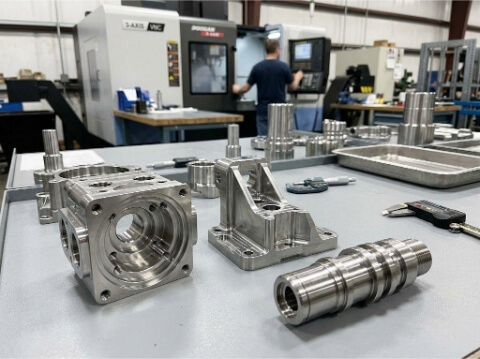
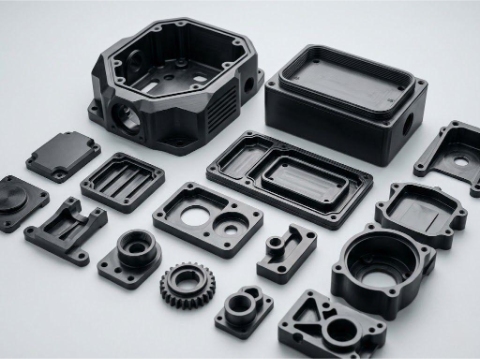
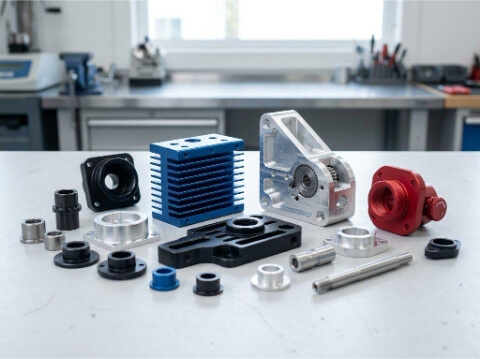
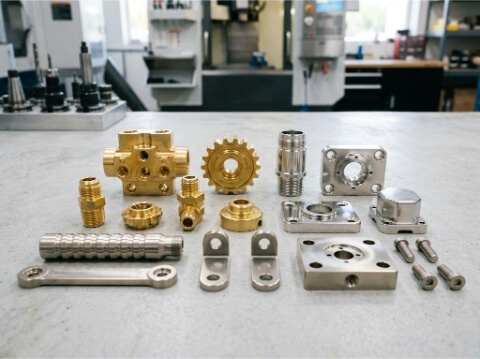
Metal & Plastic Machined Parts

Better Surface Finish

Better tool access can help improve finish quality on angled and complex surfaces.

Materials for 5-Axis CNC Machining

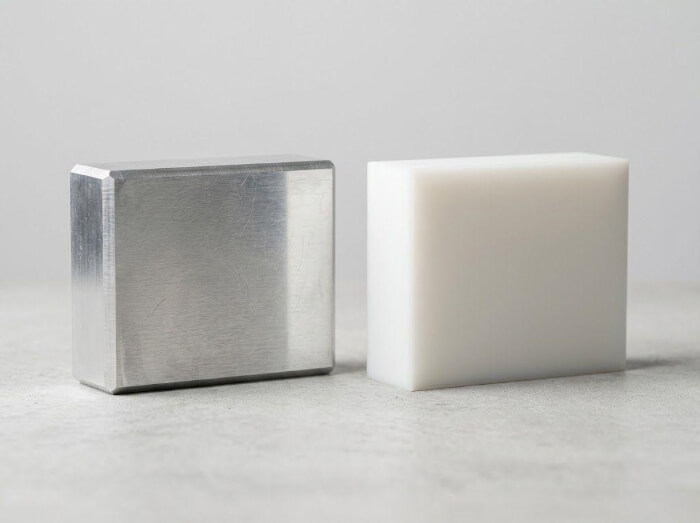
We machine a range of commonly used metals and plastics for complex 5-axis parts. The right material depends on part geometry, machining stability, feature access, and end-use requirements.

Metals

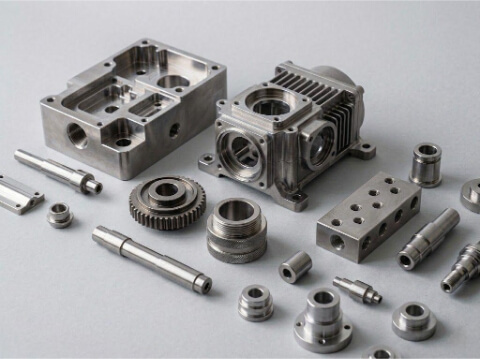
Aluminum CNC Machining

Aluminum

Widely used for lightweight parts, complex geometry, and efficient 5-axis machining.

Stainless Steel

Stainless Steel

Suitable for parts that require strength, corrosion resistance, and reliable structural performance.

Steel CNC Machining

Steel

Used for parts that require higher strength, durability, and mechanical reliability.

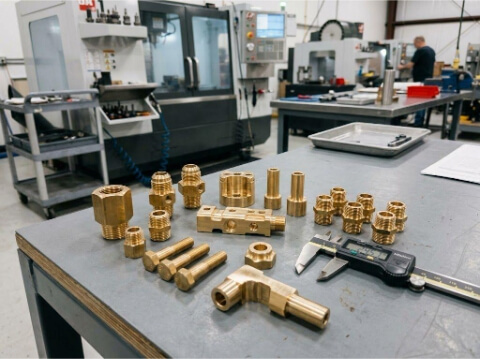
Brass

Brass

Suitable for parts that require high strength, low weight, and corrosion resistance.

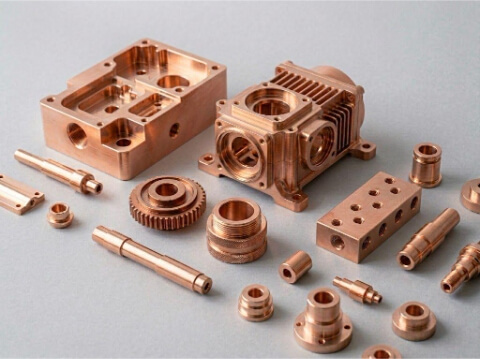
Copper CNC Machining

Copper

Used for selected precision parts that need good machinability and a clean finished appearance.

Titanium

Titanium

Suitable for selected parts that require conductivity, thermal performance, or other functional properties.

Plastics

ABS CNC machining

ABS

Used for selected plastic parts that require balanced machinability and general-purpose performance.

POM CNC machining

POM

Suitable for precision plastic parts with good dimensional stability and low friction.

Nylon CNC machining

Nylon

Common for wear-resistant parts and selected functional plastic components.

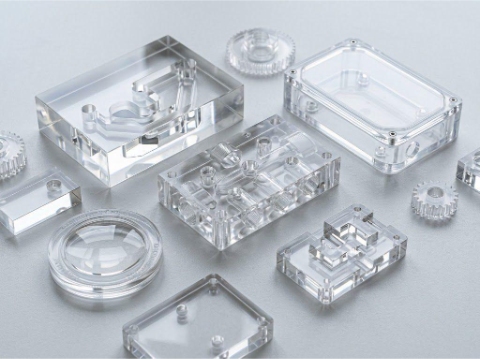
Acrylic CNC machining

Acrylic

Used when transparency or visual appearance is required.

PC CNC machining

PC

Used for selected plastic parts that require strength and toughness.

PTFE

PTFE

Suitable for parts that require chemical resistance and low-friction performance.

5-Axis CNC Machining Tolerances

Our 5-axis machining service supports complex parts that require fewer setups, better multi-surface consistency, and access to more difficult features. Capability depends on part geometry, material, and machining strategy, and each project is reviewed based on drawing requirements.

Capability Description
Maximum Part Size Up to 4000 × 1500 × 600 mm depending on part geometry and machine configuration.
Minimum Part Size As small as 5 × 5 × 5 mm, depending on material type and machining stability.
General Tolerances Typical tolerances are around ±0.01 mm to ±0.05 mm depending on material, geometry, and feature requirements. Tighter tolerances can be reviewed for critical dimensions.
Typical Lead Time Standard lead times range from 3–7 business days for simple parts. Complex 5-axis projects may require additional time depending on machining strategy and setup.

Surface Finishing Options for 5-Axis Machined Parts

We support 5-axis machining and surface finishing in one workflow to match part function, appearance goals, and the requirements of more complex geometry.

Anodizing

Anodizing

Used for aluminum parts that need improved corrosion resistance and a cleaner finished appearance.

Bead Blasting

Bead Blasting

Creates a more uniform matte surface and helps reduce visual variation on machined parts.

Plating

Plating

Suitable for selected parts that need added corrosion protection, conductivity, or appearance control.

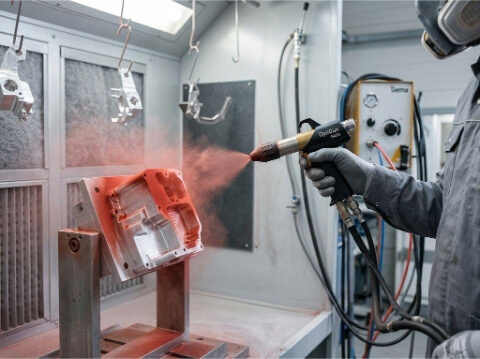
Powder Coating

Powder Coating

Suitable for selected parts that require a thicker and more durable coated surface.

Brushing

Brushing

Used when a directional surface texture and cleaner metal appearance are needed on visible surfaces.

Polishing

Polishing

Suitable for parts that need a smoother, cleaner, or more refined finish on visible surfaces.

The best finishing option depends on the material, part geometry, surface expectation, and final use of the part.

Quotation & Engineering Review Process

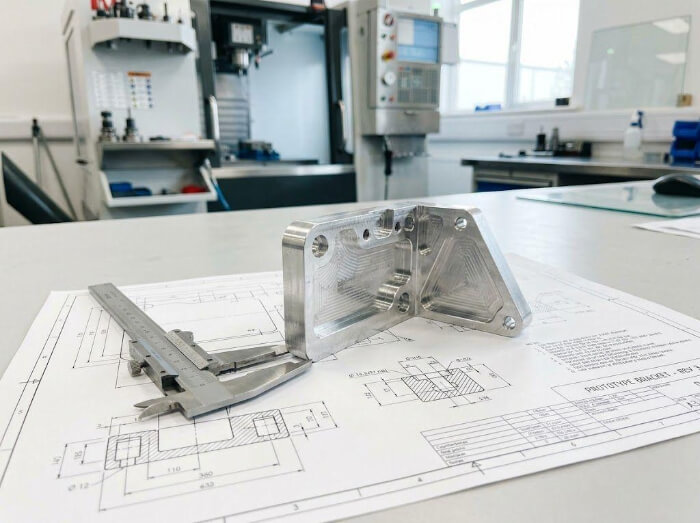
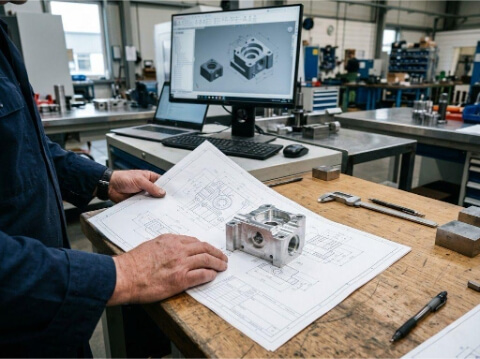
Each 5-axis machining project is reviewed by our engineering team before quotation to confirm geometry feasibility, machining strategy, and key production requirements.

Drawing Submission

Send Us Your Drawing or CAD File

Share your drawing, 3D file, material, quantity, and any special requirements for the part.

Engineering Review

Engineering Review

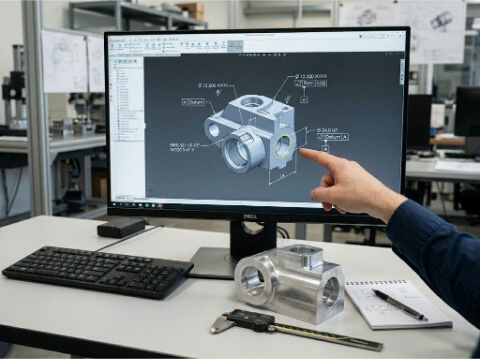
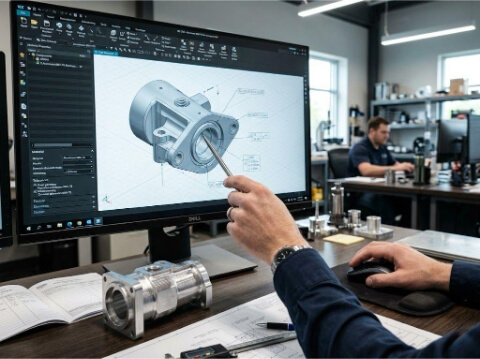
We review geometry, feature access, material, tolerance requirements, and the best 5-axis machining strategy for the part.

Quotation & Process Confirmation

Quotation & Confirmation

We provide a quotation and confirm machining plan, lead time, and any related finishing or follow-up process details.

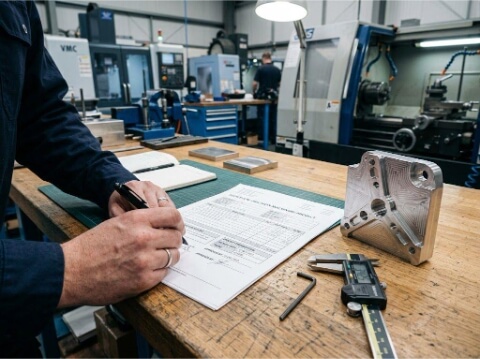
Production, Inspection & Delivery

Production & Delivery

After approval, the part moves into production, inspection, and delivery based on the confirmed plan.

FAQs

Here are some common questions about our 5-axis CNC machining service, including materials, tolerances, lead time, and project support.

5-axis machining is often the better choice when a part has complex surfaces, multiple machining faces, angled features, or hard-to-reach areas. It is also useful when fewer setups can help improve dimensional consistency across the part.

5-axis machining is commonly used for complex housings, impellers, angled brackets, multi-face structural parts, precision fixtures, and other high-complexity components. It is especially suitable for parts that are difficult to machine efficiently with repeated repositioning.

Typical tolerances depend on part geometry, material, feature size, and machining strategy. For many 5-axis projects, tolerances are commonly reviewed in the range of ±0.01 mm to ±0.05 mm, with tighter control possible for critical features depending on the drawing and inspection requirements.

In many cases, yes. By reducing setup changes, 5-axis machining can help improve dimensional relationships and feature alignment across multiple faces, especially on complex parts where repositioning error becomes more difficult to control.

Yes. 5-axis machining is often used for complex prototypes that require better access, fewer setups, and more advanced geometry than standard machining can handle efficiently. It is also useful when prototype parts need to reflect real production features more closely.

Lead time depends on part complexity, material, quantity, finishing requirements, and inspection scope. After engineering review, we confirm the machining strategy and production schedule based on the actual requirements of the part.

Cost depends on geometry complexity, material, tolerance requirements, machining time, and any secondary processes involved. Although 5-axis machining may have a higher machine-hour cost, it can reduce setups, improve efficiency, and lower overall manufacturing risk for complex parts.
Get in Touch with Us

Click or drag a file to this area to upload.