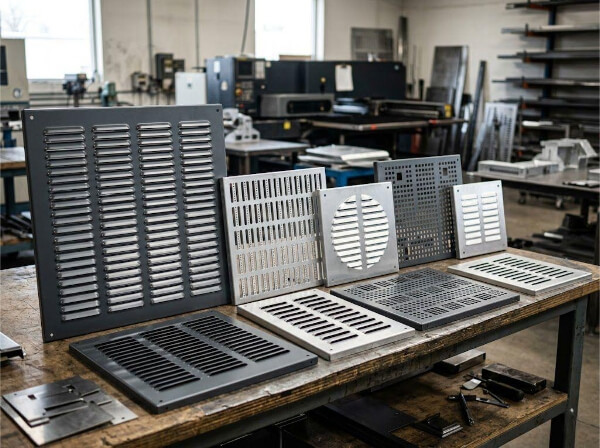
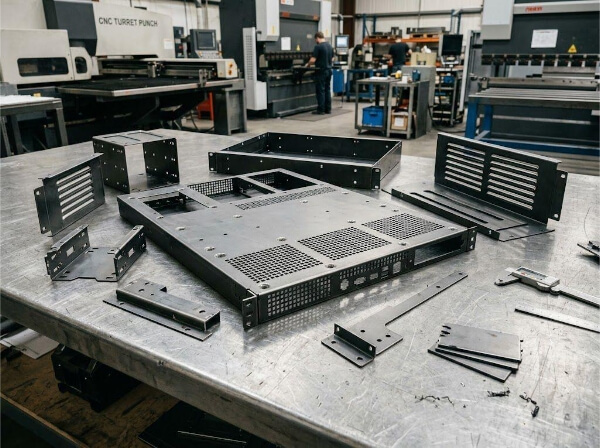
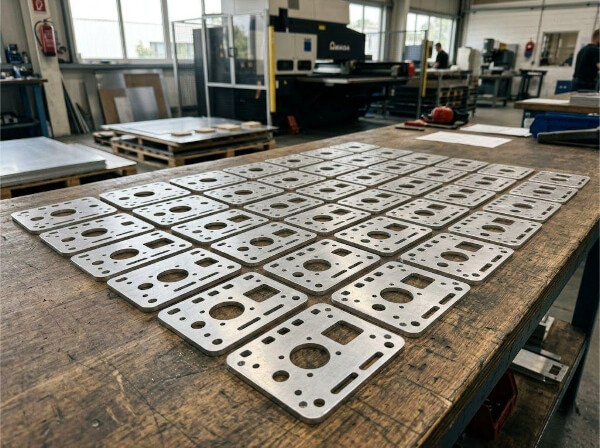
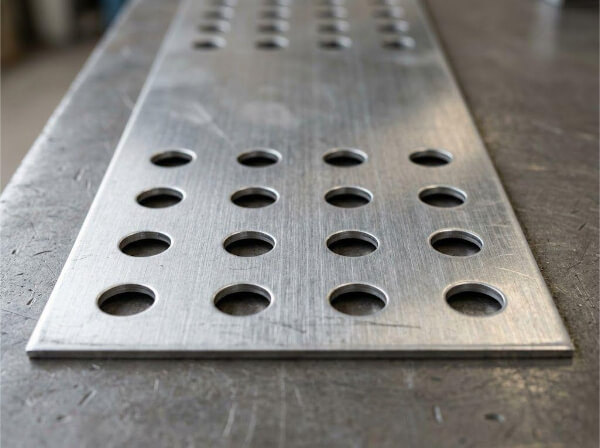
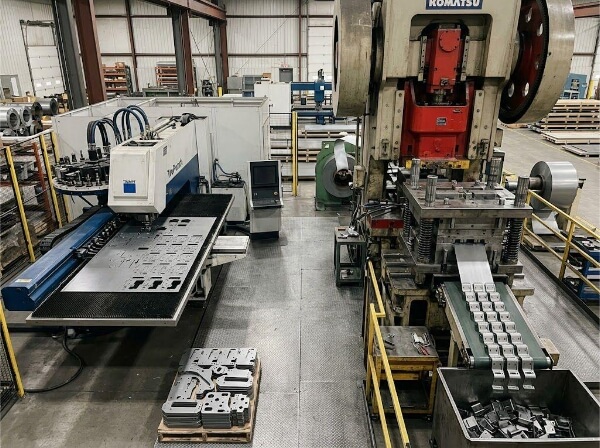
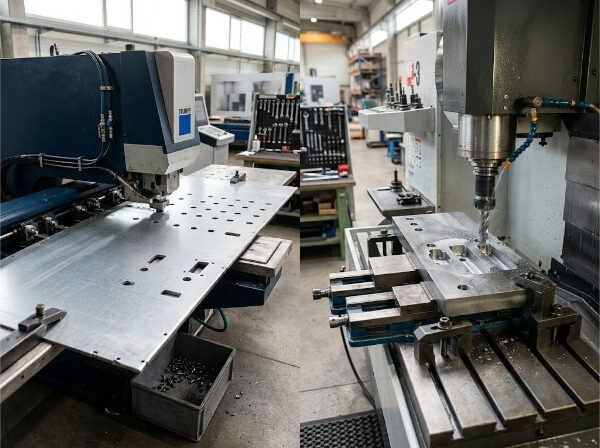
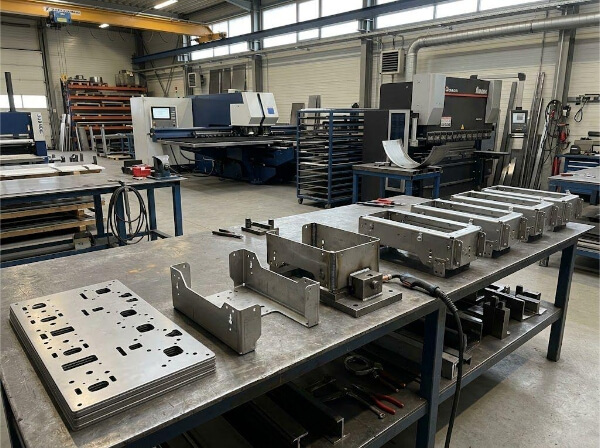
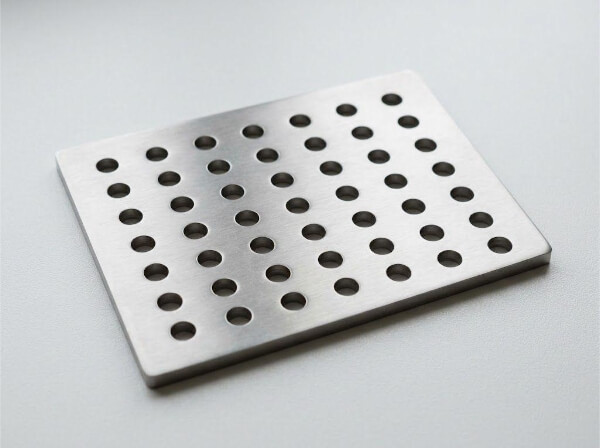
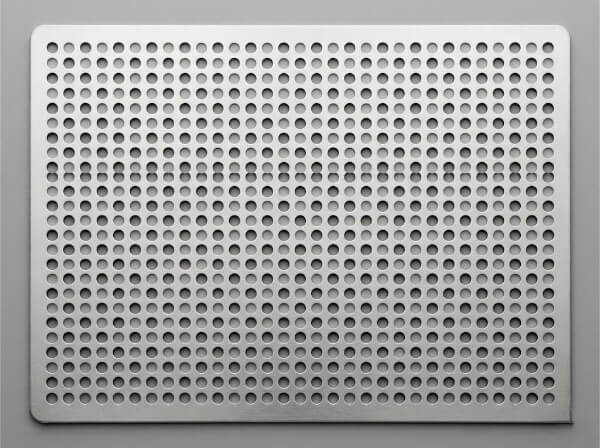
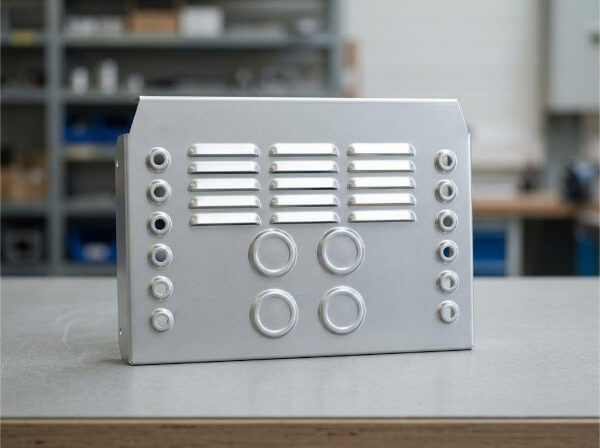
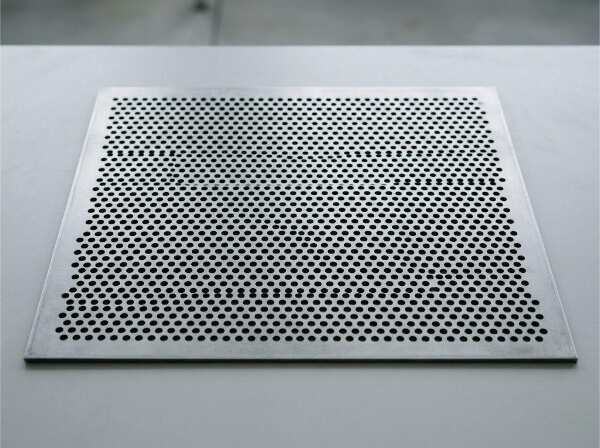
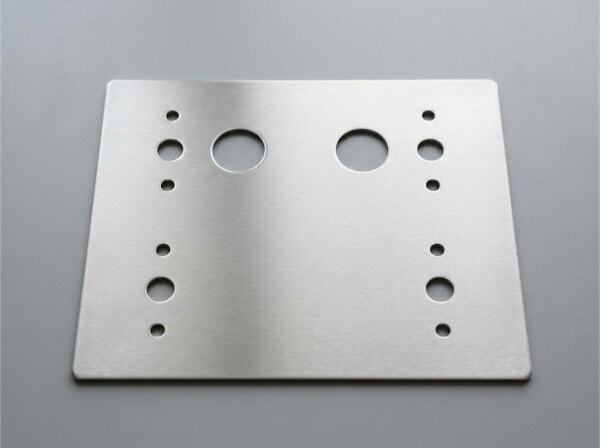
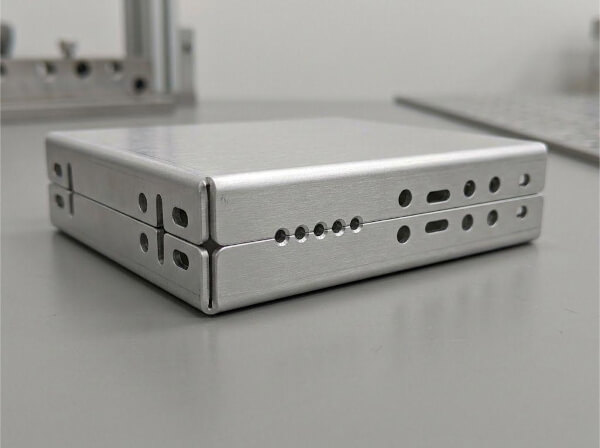
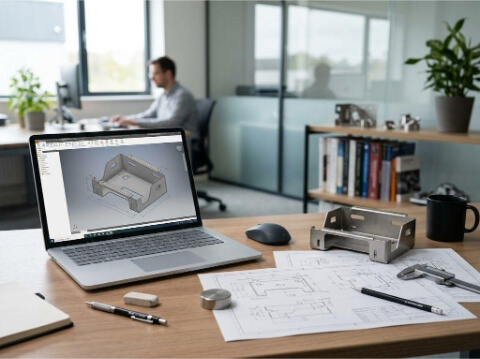
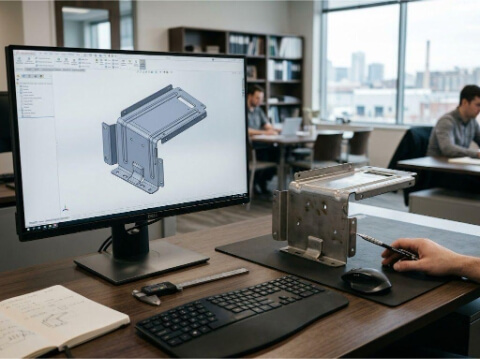
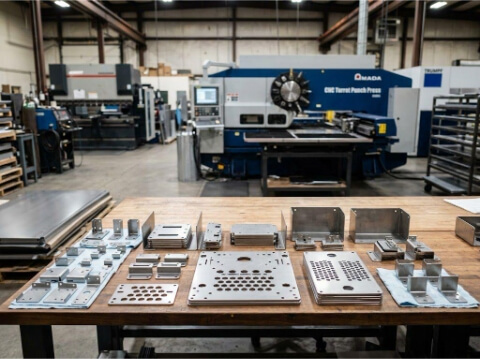
We provide CNC punching services for sheet metal parts that need repeatable holes, cutouts, louvers, embosses, and formed features. From prototypes to production orders, we support panels, brackets, enclosures, and other custom parts with secondary bending, welding, finishing, and assembly available.
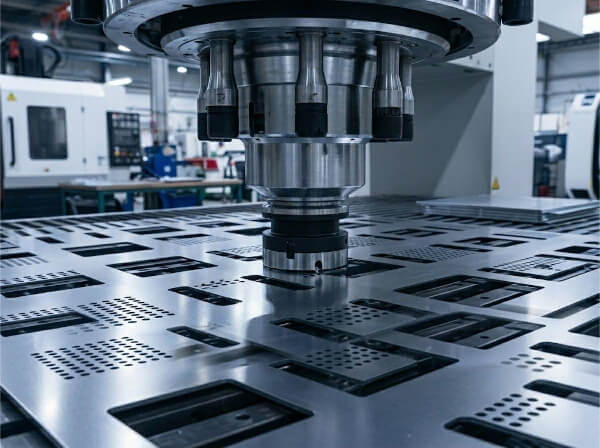
CNC punching is a process used to make holes, cutouts, and formed features in sheet metal with programmed tooling. It is commonly used for panels, enclosures, brackets, and other parts that need repeated features and efficient production.
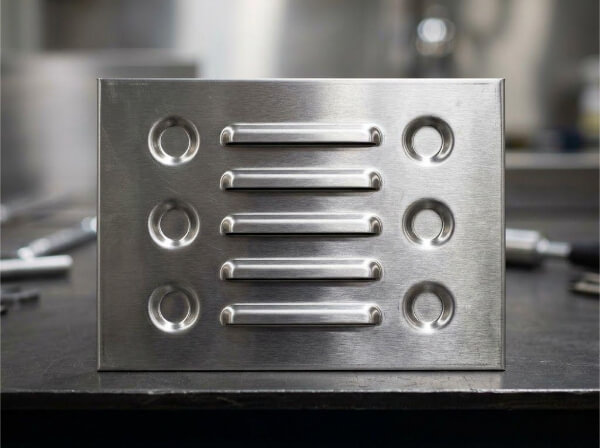
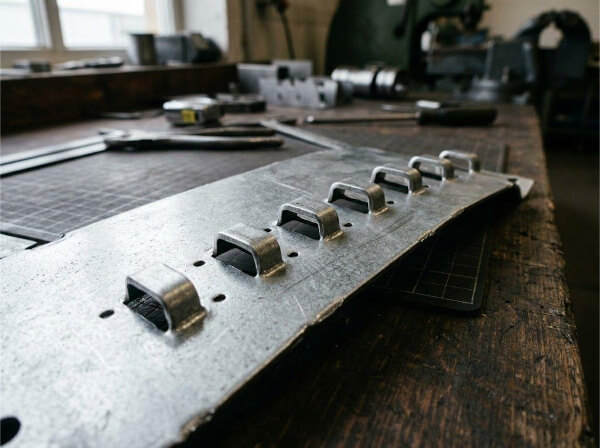
The machine presses matched tools through the sheet in a controlled sequence to create the required features. With the right tooling, it can produce not only holes and slots, but also louvers, embosses, bridges, countersinks, and other formed details.
Parts with many holes, slots, or standard cutouts
Common feature patterns for panels and housings
Better efficiency for ongoing or batch orders
Formed features that save later operations
CNC punching is commonly used for sheet metal parts that need repeated features, stable production flow, and better efficiency in repeat orders. It is a practical choice for many industrial products that combine punching with bending, welding, and assembly.
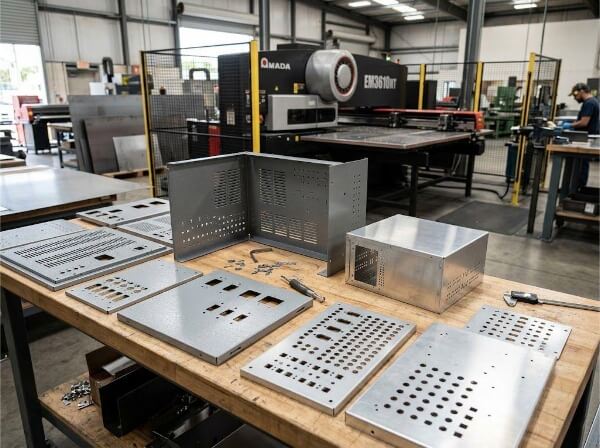
Cabinet shells, side panels, doors, and mounting plates often use holes, slots, vents, and fastening features that work well with punching.
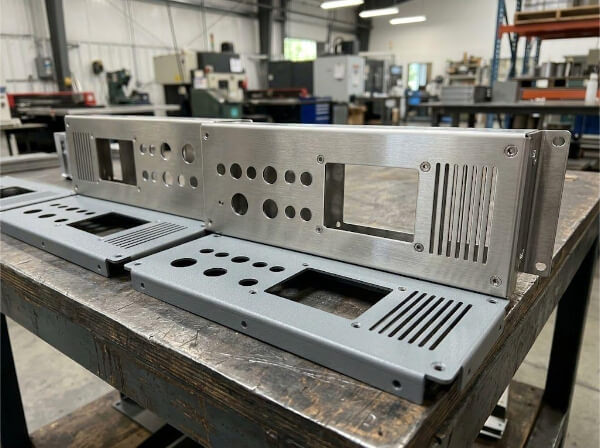
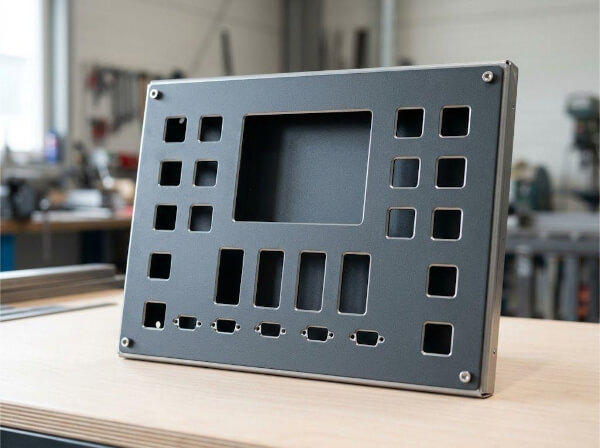
Panels with button holes, display cutouts, vents, and standard opening patterns are common applications for CNC punching.
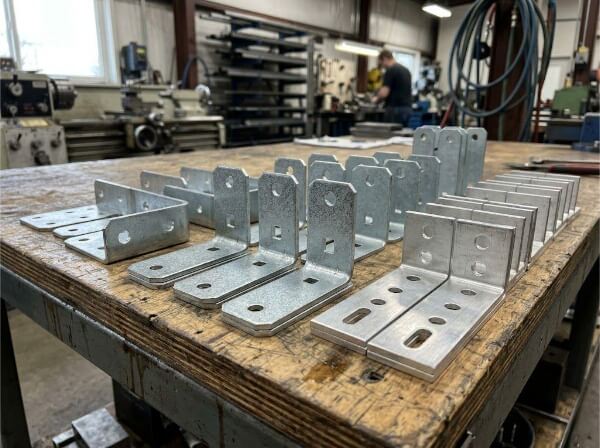
Mounting brackets with repeated hole locations or simple formed features can often be produced faster and more consistently with punched tooling.
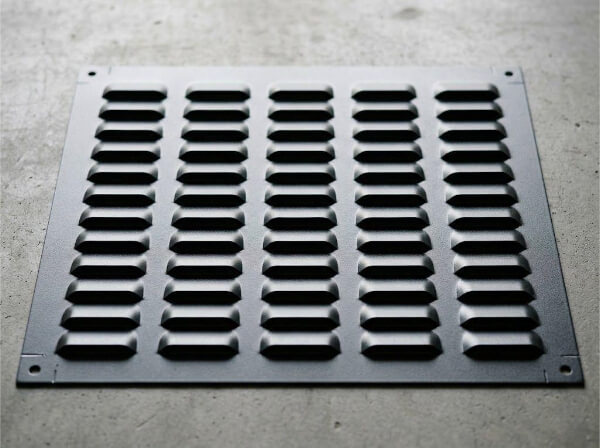
Parts that need louvers, airflow slots, or repeated vent patterns are often well suited to CNC punching.
Electronics chassis, support frames, and internal structural parts often use punched features before bending, joining, or final assembly.
When the same part is produced again and again, CNC punching can help improve speed, repeatability, and overall production efficiency.
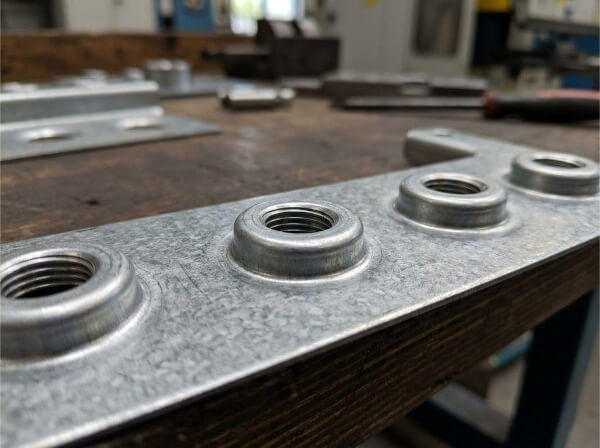
CNC punching can do more than simple holes. Depending on the tooling and part design, it can produce both cut features and formed features in one process, which may help reduce extra operations on suitable sheet metal parts.
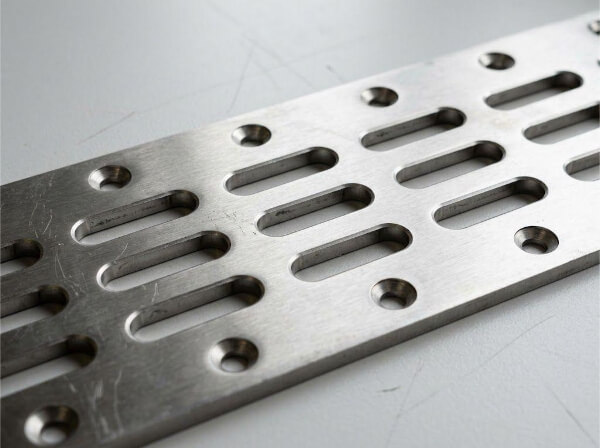
For fastening, mounting, and standard feature patterns.
Common for panels, connectors, and display openings.
Useful for adjustment and repeated mounting locations.
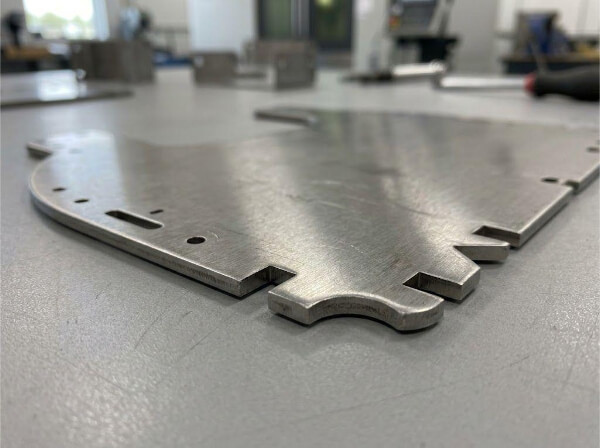
Used for clearance, positioning, and forming support.
For ventilation and airflow control.
For added stiffness or raised details.
For selected raised or connecting feature needs.
For more thread engagement or feature height in thin sheet metal.
Practical Note: Not every feature should be punched. Part geometry, feature spacing, material type, sheet thickness, burr direction, and cosmetic requirements should all be reviewed before production.
CNC punching is not the best solution for every part. But for sheet metal parts with repeated features, standard openings, and formed details, it can often be the more practical production choice.
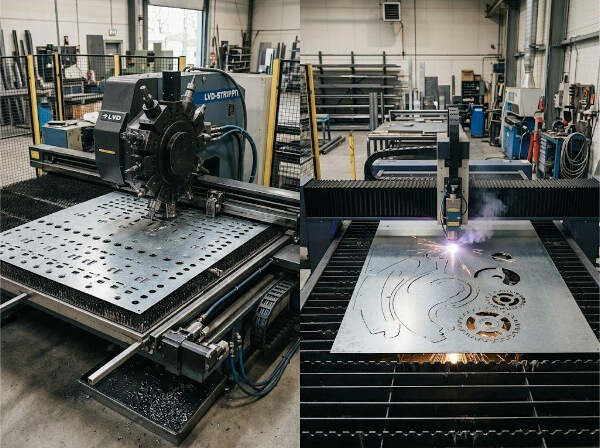
Punching is often better for repeated holes, slots, louvers, and formed features where speed and repeatability matter. Laser cutting is often better for flexible contours, thicker materials, or frequently changing designs.
Punching is often the better choice for prototypes, low to medium volumes, or parts that do not justify die cost. Stamping is often stronger for very high volumes with stable long-run demand.
Punching can reduce setup time and extra cost for standard sheet metal features. Machining may still be needed for tighter tolerances or features outside normal punching capability.
On suitable parts, CNC punching can shorten cycle time, reduce manual handling, improve repeatability, and fit smoothly with bending and welding in one production flow.
A part may look simple on a drawing, but punching quality often depends on small design details. We review the main risk points before production so feature quality, flatness, appearance, and process fit can be checked early.
Very small holes in thicker material may create more tooling limits, burr problems, or hole quality risk.
Hole spacing, edge distance, and bend distance all affect stability and deformation risk.
Louvers, embosses, bridges, and extruded holes need the right thickness and enough space around them.
Dense feature patterns or uneven layouts can increase local deformation or stress in the part.
If appearance matters, burr direction, tooling marks, and sheet handling should be reviewed early.
Critical dimensions should be marked clearly, because punched features and machined features do not follow the same expectations.
Engineering Support: If needed, we can suggest changes to feature layout, process flow, or tooling strategy before production starts.
A quotation is more reliable when the part details are clear from the start. We review the drawing, material, feature layout, and follow-up process needs before confirming pricing and production direction.
PDF, DWG, DXF, STEP, or sample details can all be used for review. Material, thickness, quantity, and finish requirements are also helpful.
We review feature type, material, thickness, tolerance needs, and whether CNC punching is the right fit for the part.
We confirm pricing, lead time, and process flow. If needed, we may suggest changes for better cost, stability, or production efficiency.
After approval, we move the part into production, inspection, and shipment based on the confirmed requirements.
Yes. CNC punching can produce more than standard round holes. Depending on tooling and part design, it can also create slots, louvers, embosses, bridges, extruded holes, and other formed features in the same production flow.
It depends on the part design and production need. CNC punching is often more efficient for repeated holes, slots, louvers, and formed features, especially in repeat orders. Laser cutting may be a better option for flexible outer contours, thicker materials, or parts with frequently changing geometry.
PDF drawings, DXF, DWG, and STEP files are all helpful. To improve quotation accuracy, it is also best to include material, thickness, quantity, surface finish requirements, and any critical dimensions or cosmetic expectations.
Yes. We can support follow-up sheet metal processes such as bending, welding, hardware insertion, and surface finishing. This can help reduce coordination time and keep the production flow more consistent with one supplier.
Yes, in many cases. CNC punching can be used for prototypes, pilot runs, and production orders when the feature type and tooling approach make sense for the part. For some designs, we may also review whether another process is more practical.
The final cost usually depends on material type, sheet thickness, feature quantity, feature complexity, formed details, secondary processes, cosmetic requirements, and order volume. In many cases, part design has a direct effect on both punching efficiency and total production cost.