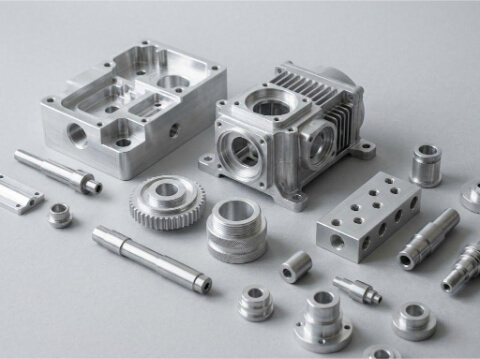
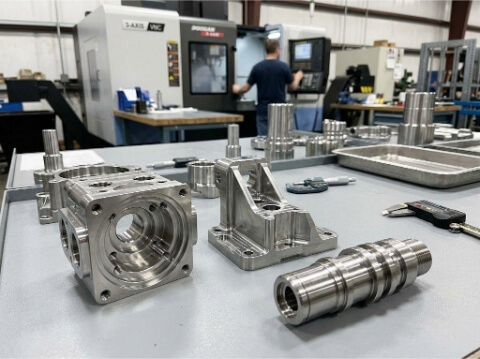
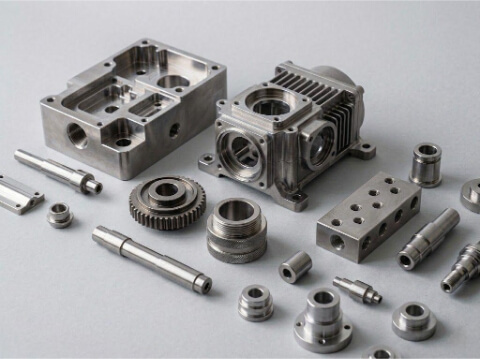
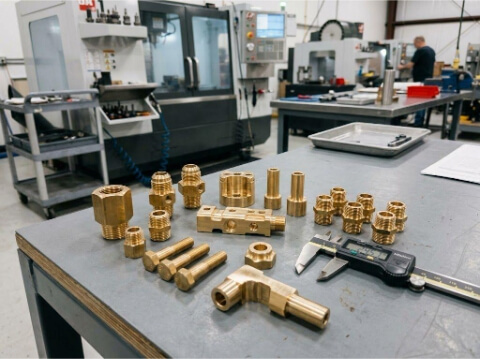
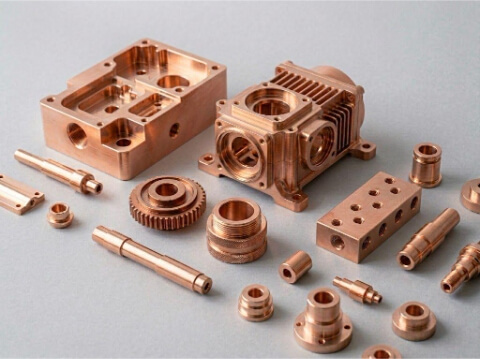
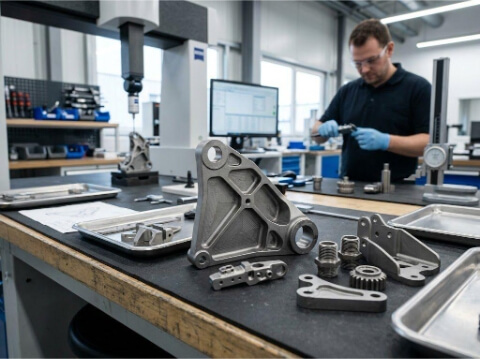
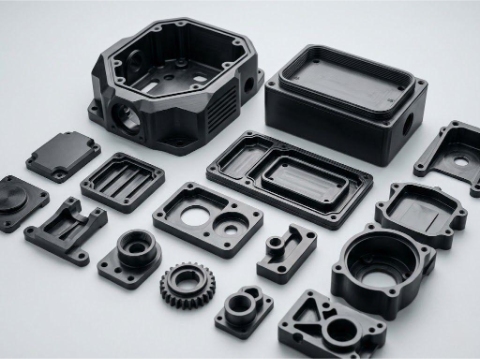
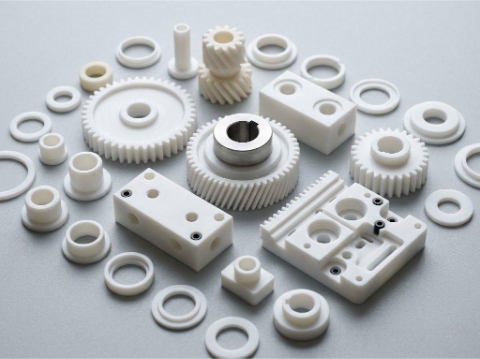
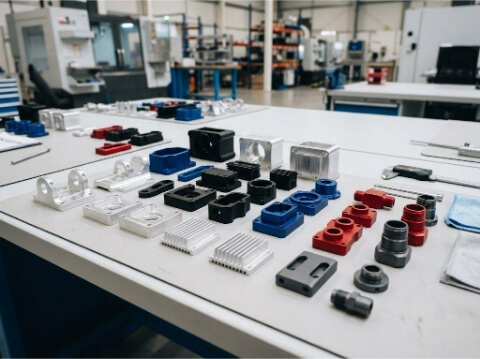
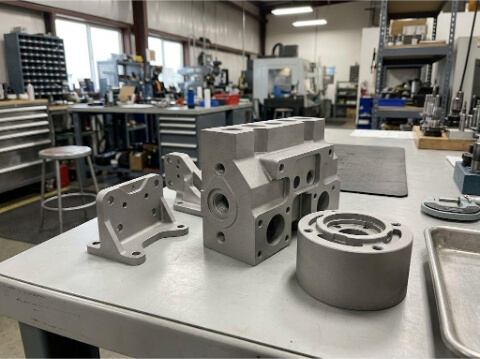
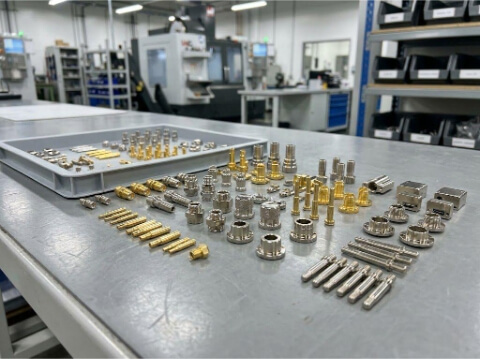
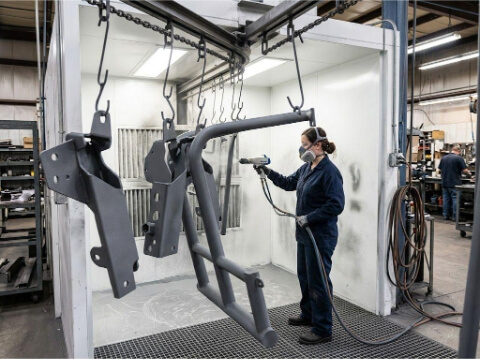
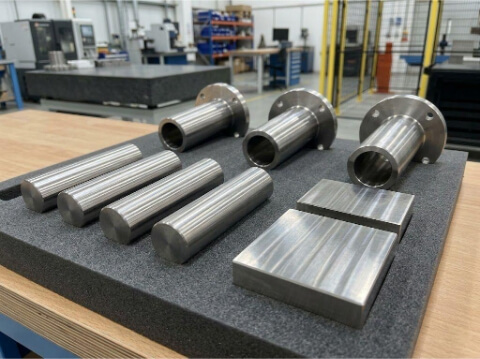
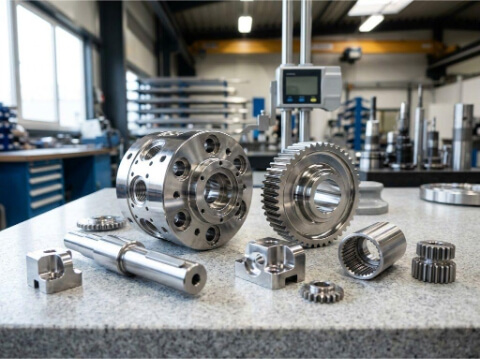
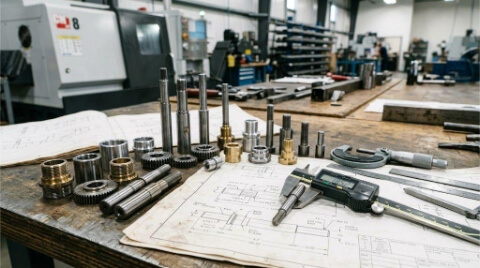
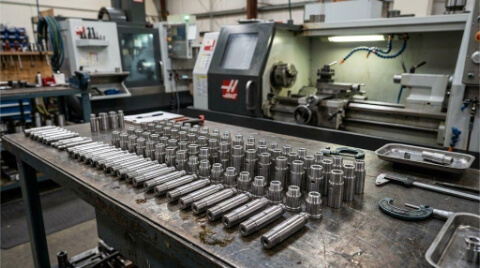
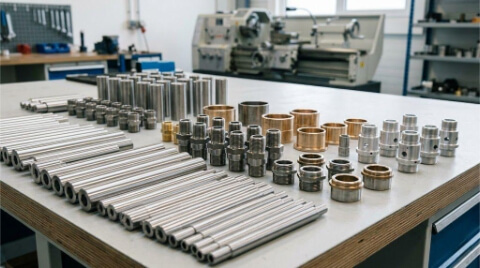
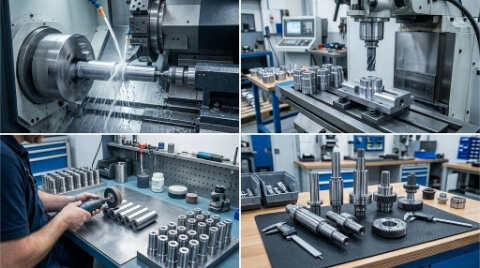
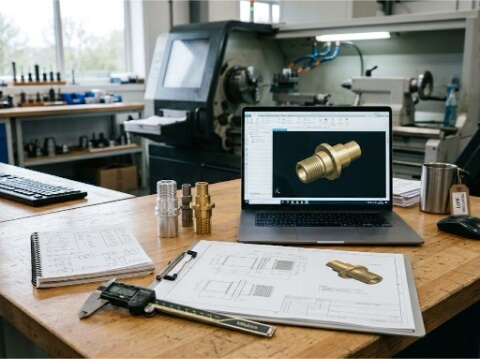
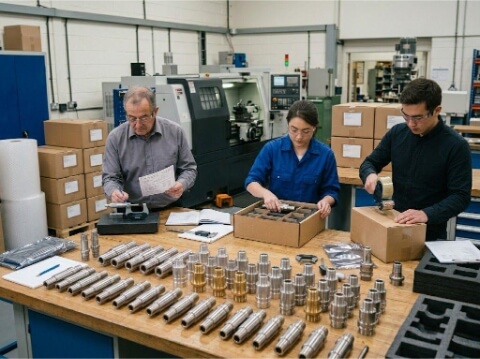
We provide CNC turning for custom metal and plastic parts, from prototypes to production, with engineering review and controlled manufacturing support.
CNC turning is best suited for custom parts with round, cylindrical, or concentric features.
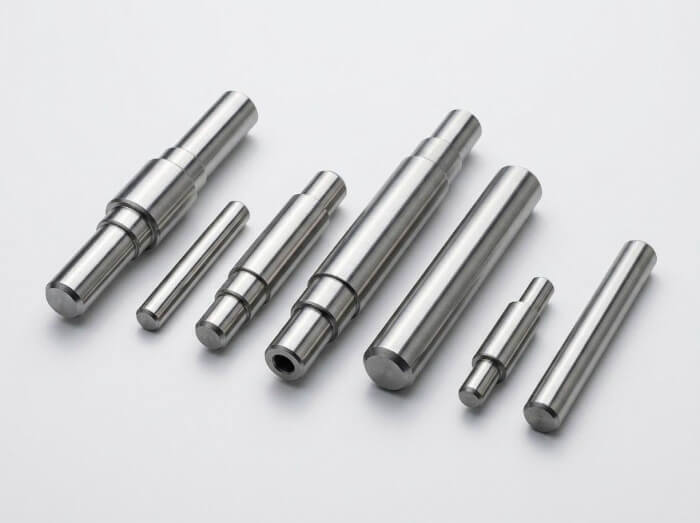
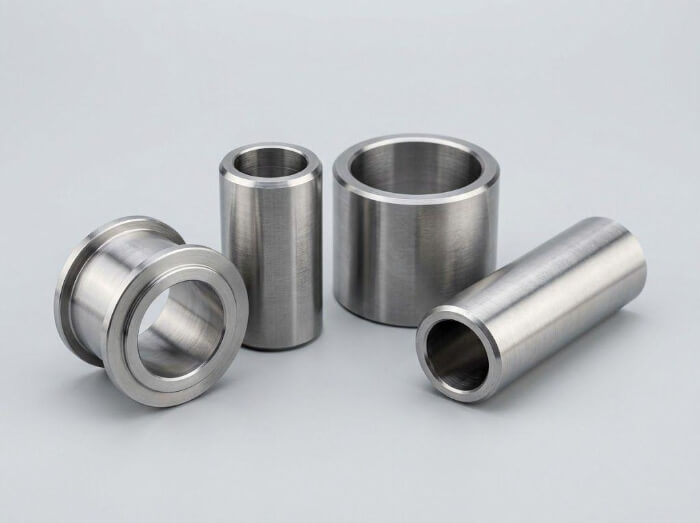
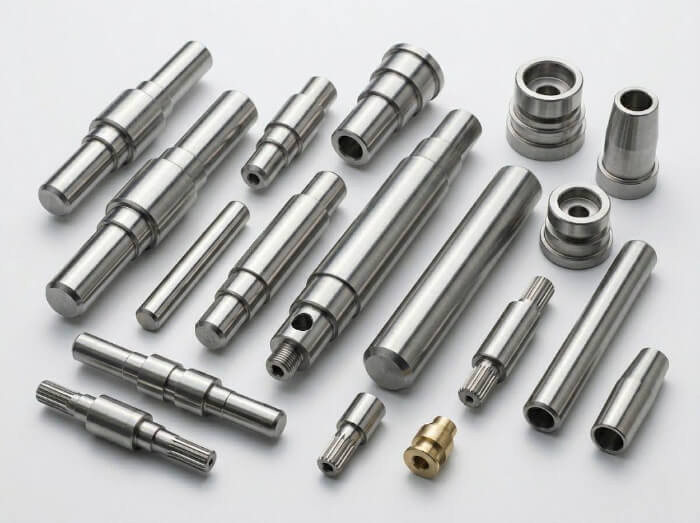
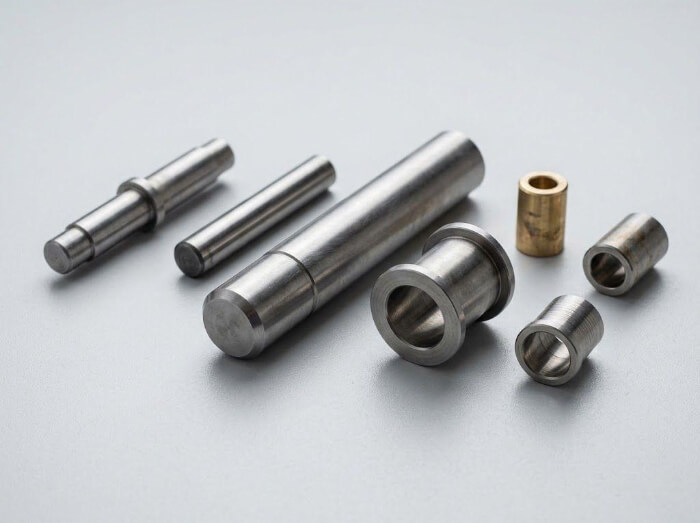
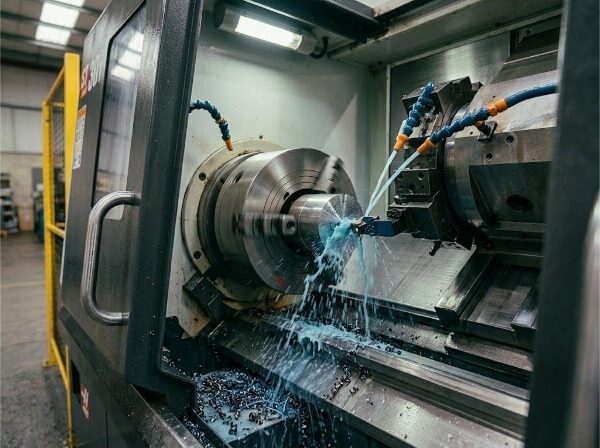
CNC turning is a machining process where the workpiece rotates and a cutting tool removes material to form the required shape. It is commonly used for shafts, pins, bushings, sleeves, threaded parts, and other components that depend on controlled diameters and concentric features.
It is especially suitable for parts that require stable diameters, smooth outer surfaces, and repeatable machining quality.
CNC turning is best suited for parts with round profiles, controlled diameters, internal bores, threads, and concentric features.
Suitable for parts that require controlled outer diameters, stable length dimensions, and smooth machined surfaces.
Suitable for parts that depend on accurate inner and outer diameters with consistent cylindrical geometry.
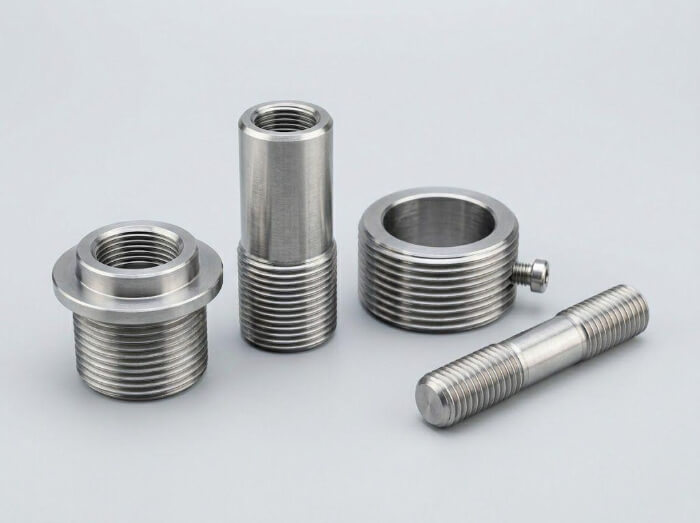
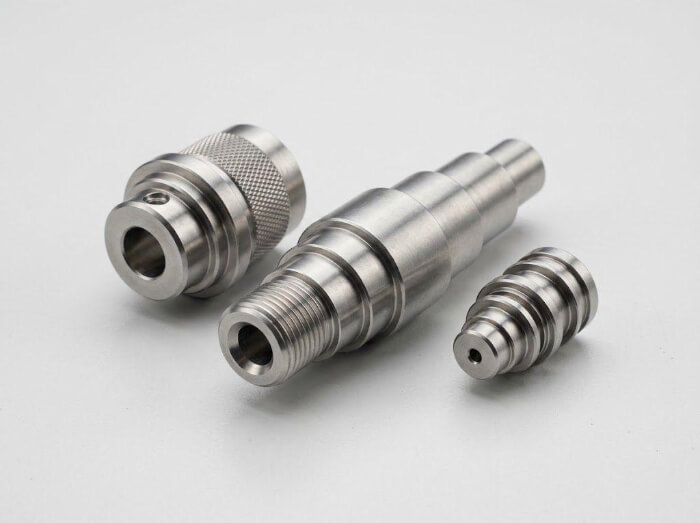
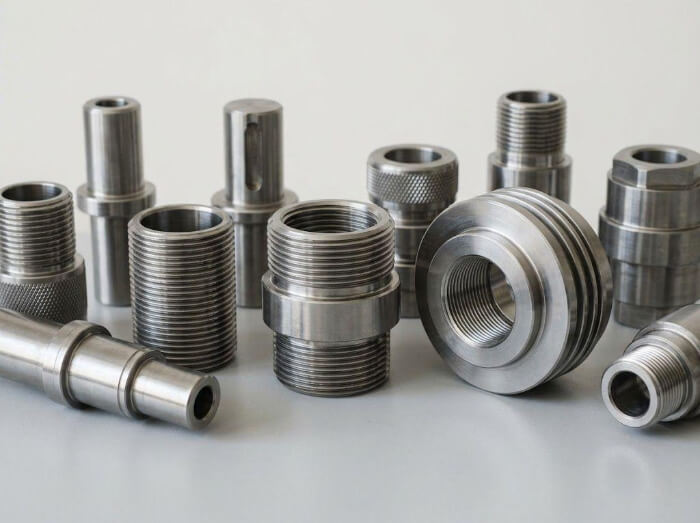
Suitable for components that require internal or external threads together with controlled diameters and stable machining accuracy.
Suitable for parts where roundness, concentricity, and rotational symmetry are critical to function.
Our CNC turning service supports both standard cylindrical parts and more precise components that require tighter control on diameter, threads, and concentric features.
Suitable for common cylindrical parts with standard control of outer diameter, inner diameter, and part length.
Suitable for parts that require tighter control of diameter, concentricity, and machined surface consistency across critical features.
Support for internal and external threads, grooves, and other turning features based on part design and function.
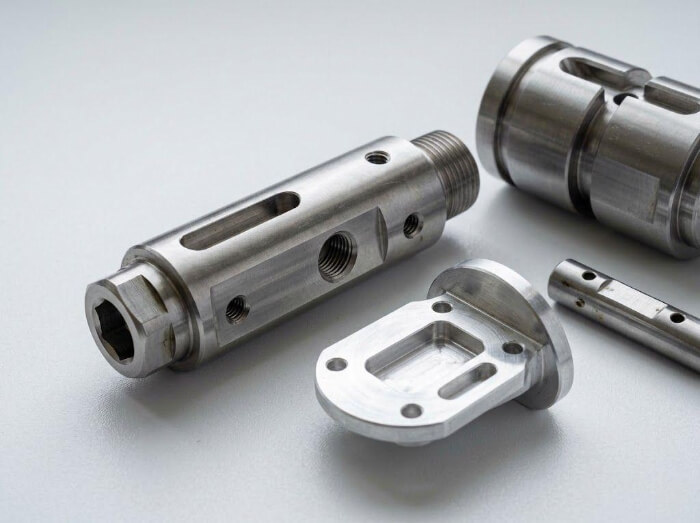
For selected parts, we can support projects that require turning together with secondary milled features.
Our CNC turning service supports one-off prototypes, low-volume orders, and repeat production based on part requirements.
We machine a range of commonly used metals and plastics for custom CNC turned parts. The right material depends on part function, dimensional requirements, surface expectations, and end-use conditions.
Widely used for lightweight turned parts with good machinability and efficient production.
A good choice for parts that require strength, corrosion resistance, and long-term durability.
Suitable for turned parts that require higher strength, wear resistance, and structural reliability.
Common for turned parts that need good machinability, stable dimensions, and a clean finished look.
Used for turned parts that require electrical conductivity, thermal performance, or specific functional properties.
Used for turned parts that require high strength, low weight, and corrosion resistance.
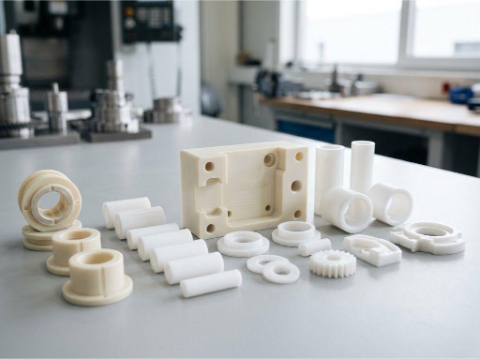
Used for selected plastic turned parts that require balanced machinability and general-purpose performance.
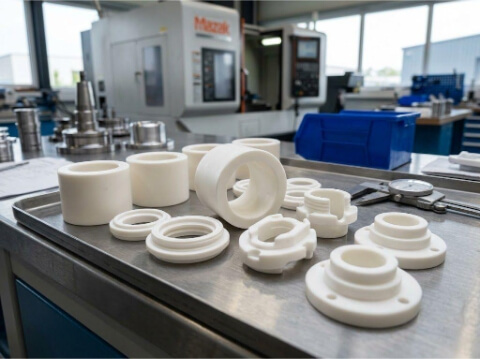
Suitable for precision plastic turned parts with good dimensional stability and low friction.
Common for wear-resistant parts and durable functional plastic components.
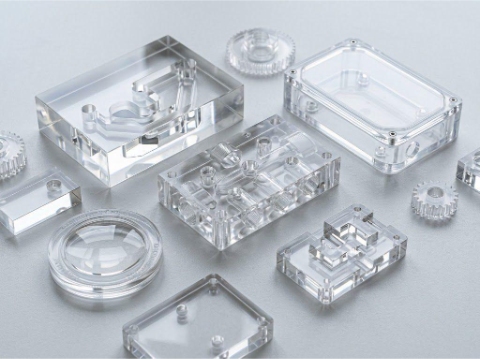
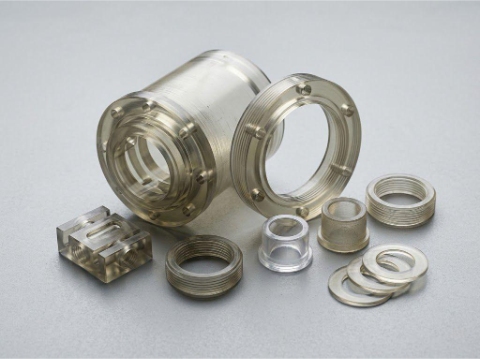
Used for parts that require transparency or a cleaner visual appearance.
Used for plastic parts that require strength, toughness, and impact resistance.
Suitable for parts that require chemical resistance and low-friction performance.
Dimensional accuracy in CNC turning depends on part geometry, material type, and machining setup. We support stable turning for custom parts, with tolerance capability reviewed based on drawing requirements and functional needs.
| Description | Details |
|---|---|
| Maximum Part Size | Typically up to 500 mm diameter × 1500 mm length. Larger sizes may be supported depending on equipment. |
| Minimum Part Size | As small as 1 mm diameter, depending on material and machining setup. |
| General Tolerance | Standard tolerance around ±0.01 mm. Tighter tolerance down to ±0.005 mm depending on part requirements. |
| Typical Lead Time | Typically 3–7 business days. Expedited options available based on project needs. |
Need tighter tolerances or critical feature control? Send us your drawing and key requirements, and our engineering team can review the best machining approach before quotation.
We support CNC turning and surface finishing in one workflow to match part function, appearance goals, and project requirements.
Used for aluminum turned parts that need better corrosion resistance and a cleaner finished appearance.
Creates a more uniform matte finish and helps reduce visual surface variation.
Suitable for turned parts that need added corrosion protection, conductivity, or a more controlled finished appearance.
Suitable for selected parts that require a thicker, more durable coated surface.
Used for visible parts that require a directional surface texture and a cleaner metal look.
Suitable for turned parts that require a smoother surface, cleaner appearance, or higher visual finish.
The best finishing option depends on the material, part function, surface expectation, and end-use environment.
CNC turning can support different project stages, from prototype validation to production parts that require stable diameter control and repeatable machining quality.
Suitable for sample validation, fit checks, and early product development.
Suitable for pilot runs, low-volume orders, and early production demand.
Suitable for final-use turned components that require stable diameters, repeatable quality, and application-matched materials.
Suitable for projects that need CNC turning together with milling, finishing, or assembly support.
If your part requires controlled diameters, threads, or concentric features, we can help review whether CNC turning is the right process for the project.
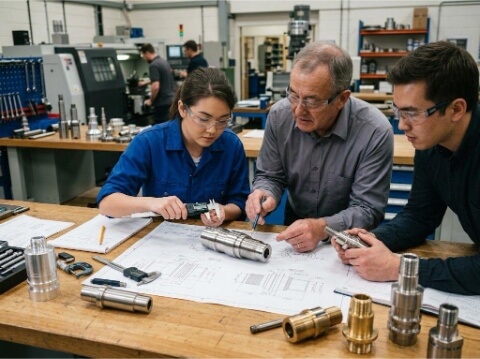
Each CNC turning project is reviewed by our engineering team before quotation to confirm part feasibility, turning approach, and key production requirements.
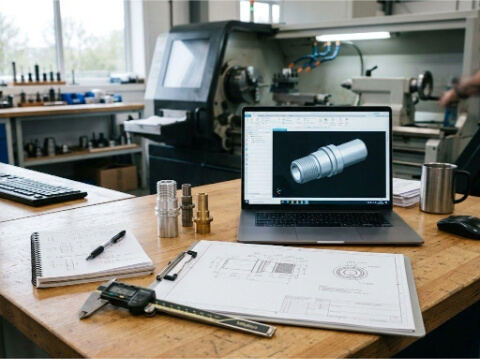
Share your drawing, 3D file, material, quantity, and any specific requirements for the part.
We review material, geometry, critical diameters, threads, tolerance needs, and overall turning feasibility.
We provide pricing and confirm the turning plan, lead time, and any related finishing or secondary operations.
After approval, the part moves into production, inspection, and delivery based on the confirmed plan.
Here are some common questions about our CNC turning service, including materials, tolerances, lead time, and project support.
We usually need a 2D drawing or 3D CAD file for quotation. Common formats include STEP, STP, IGES, PDF, and DWG. If you also have material, surface finish, or quantity requirements, please send them together.
We machine a range of common metals and plastics for CNC turned parts. Specific grades can be reviewed based on your drawing and application.
Yes. We support prototype machining, small batch orders, and production work depending on part requirements and project volume.
Yes. We can coordinate surface finishing such as anodizing, powder coating, painting, and other selected processes based on project needs.
Typical CNC turning tolerances depend on part geometry, material, size, and feature requirements. For standard projects, tolerances are commonly controlled within ±0.005 in. (±0.127 mm). For parts with tighter requirements, closer tolerances can be reviewed based on the drawing, machining process, and inspection method.
Yes. We can support projects that require CNC turning together with sheet metal fabrication, finishing, and related secondary processes.
Lead time depends on part geometry, material, quantity, finishing requirements, and inspection scope. Our team confirms the schedule after engineering review.