 Italian
  English
  Spanish
  German
  Russian
  French
La differenza principale tra il ferro e l'acciaio è il loro contenuto di carbonio. Il ferro è un elemento, mentre l'acciaio è una lega di ferro e carbonio (in genere con un contenuto di carbonio inferiore a 2%). L'acciaio offre un'elevata resistenza alla trazione e saldabilità, mentre la ghisa (con un contenuto di carbonio superiore a 2%) offre una resistenza alla compressione, una colabilità e uno smorzamento delle vibrazioni superiori.
Nella produzione industriale reale, non è pratico confrontare il ferro chimico puro con l’acciaio. Quando gli ingegneri o i team addetti agli acquisti parlano di componenti in “ferro”, si riferiscono quasi esclusivamente alla ghisa. Sebbene entrambi i materiali abbiano la stessa composizione elementare, i loro limiti meccanici, i comportamenti durante la lavorazione e i costi complessivi divergono completamente in officina.
Una scelta errata del materiale comporta prototipi difettosi e costi di attrezzaggio gonfiati. Questa guida illustra in dettaglio le differenze pratiche tra acciaio e ghisa alla luce dei vincoli reali della produzione. Confrontando i limiti di resistenza alla trazione, l’usura degli utensili CNC, la compatibilità di saldatura e i costi del ciclo di vita, vi aiuteremo a scegliere con sicurezza il materiale corretto per il vostro prossimo disegno tecnico.
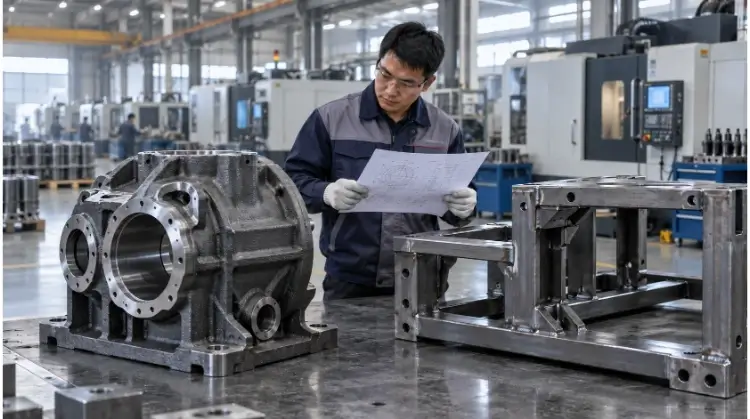
Ferro vs. acciaio: qual è la differenza?
La differenza fondamentale va ben oltre le semplici definizioni. Sono la chimica e le strutture interne a determinare, in ultima analisi, il comportamento di questi metalli in fabbrica.
Contenuto di carbonio e microstruttura
Il ferro puro è composto principalmente dall’elemento Fe, ma viene raramente utilizzato per componenti strutturali standard. Nell’industria manifatturiera, l’acciaio è una lega a base di ferro che contiene in genere meno del 2% di carbonio, mentre la ghisa ne contiene più del 2%.
Un maggiore contenuto di carbonio abbassa significativamente il punto di fusione e migliora la fluidità del materiale durante la fusione, aumentando al contempo la durezza del materiale. Tuttavia, ciò va a discapito della duttilità. Per contestualizzare, l’acciaio dolce standard può offrire un allungamento a rottura compreso tra 15% e 25%, consentendogli di cedere e deformarsi sotto sollecitazioni estreme. Al contrario, la ghisa grigia presenta tipicamente un allungamento inferiore a 1%, il che significa che, se sottoposta a un sovraccarico, si incrinerà o si frantumerà anziché piegarsi.
Oltre al carbonio, la microstruttura interna — come la morfologia della grafite — e i trattamenti termici applicati determineranno in larga misura il comportamento del materiale.
I tipi di ghisa che contano
Quando si parla di ghisa, è necessario specificarne il tipo, poiché le sue proprietà meccaniche variano notevolmente:
- Ghisa grigia: Ampiamente utilizzato grazie alle sue eccellenti proprietà di smorzamento delle vibrazioni e alla sua lavorabilità stabile.
- Ghisa sferoidale: Contiene grafite nodulare, che garantisce una tenacità e una resistenza agli urti notevolmente superiori rispetto alla ghisa grigia.
- Ghisa malleabile: Viene solitamente utilizzato per pezzi fusi di piccole dimensioni che richiedono una duttilità moderata.
I dati tecnici non sono trasferibili tra questi diversi tipi di ghisa. Partire dal presupposto che un componente in ghisa grigia sia in grado di sopportare carichi d’urto come la ghisa sferoidale porterà a un cedimento prematuro. (Nota: la ghisa grezza è una materia prima intermedia utilizzata nella produzione dell'acciaio, mentre il ferro battuto è un materiale storico a basso tenore di carbonio, in gran parte sostituito dall'acciaio dolce).
Famiglie dell’acciaio che contano
L'acciaio si suddivide in diverse categorie, tra cui l'acciaio al carbonio, l'acciaio legato, l'acciaio inossidabile e l'acciaio per utensili. Le prestazioni specifiche dipendono in larga misura dagli elementi di lega:
- Carbonio influisce principalmente sulla durezza, sulla resistenza alla trazione e sulla saldabilità.
- Cromo migliora la resistenza alla corrosione e all'ossidazione.
- Nichel può essere aggiunto per migliorare la tenacità, in particolare a temperature di esercizio più basse.
- Molibdeno migliora la resistenza, la temprabilità e le prestazioni alle alte temperature.
Poiché il trattamento termico e la legatura modificano in modo significativo le proprietà meccaniche dell’acciaio, i progettisti devono essere precisi. Anziché indicare semplicemente «Acciaio» in una distinta base o in un disegno tecnico, è necessario specificare la qualità e la condizione esatte, ad esempio «ASTM A36», «AISI 1020 laminato a freddo» o «Acciaio inossidabile 304L».
Acciaio contro ghisa: resistenza, usura e corrosione
Le specifiche delle materie prime non hanno alcun significato se non sono contestualizzate nella realtà. È necessario far corrispondere le proprietà meccaniche e i limiti ambientali direttamente alle effettive condizioni operative del proprio componente.
Tensione, compressione e urto
Dal punto di vista strutturale, l’acciaio offre prestazioni superiori alla ghisa nelle applicazioni che comportano tensione, flessione e urti improvvisi. Poiché l’acciaio entra in stato di snervamento (si allunga) prima di cedere, garantisce un margine di sicurezza nelle progettazioni strutturali. La ghisa eccelle nella gestione dei carichi statici di compressione — spesso eguagliando o superando l’acciaio dolce — ma la sua mancanza di elasticità rende la ghisa grigia soggetta a rotture fragili catastrofiche se sottoposta a forti impatti localizzati o a sollecitazioni di trazione. Se un componente in ghisa richiede una maggiore resistenza agli urti, la ghisa sferoidale rappresenta un’alternativa comune, sebbene le sue prestazioni differiscano comunque da quelle dell’acciaio forgiato o lavorato.
- Base per macchine utensili: La ghisa grigia viene spesso prescelta in questo contesto non solo per la sua resistenza alla compressione. La sua massa, la rigidità, la stabilità dimensionale e la capacità di assorbire le vibrazioni sono altrettanto fondamentali per garantire la precisione di lavorazione.
- Struttura della gru: Un braccio di sollevamento deve resistere a sollecitazioni di trazione, flessione, fatica e carichi dinamici. Per queste applicazioni, gli ingegneri scelgono solitamente acciai strutturali appositamente progettati.
Nota ingegneristica: "Più resistente" non è un criterio di confronto oggettivo. Occorre innanzitutto definire il tipo di carico e la modalità di rottura.
Usura e vibrazioni
Lo smorzamento delle vibrazioni è una caratteristica degna di nota della ghisa grigia. La struttura a grafite lamellare presente nella ghisa grigia contribuisce a dissipare l'energia delle vibrazioni meccaniche; per questo motivo viene spesso utilizzata per basamenti di macchine, blocchi motore, alloggiamenti di pompe e componenti dei freni. Questa grafite migliora inoltre le caratteristiche di attrito di scorrimento di alcune qualità di ghisa grigia.
Tuttavia, lo smorzamento delle vibrazioni non è una caratteristica universale di tutte le ghise, né garantisce una resistenza all’usura superiore in tutti i casi. Quando l’abrasione intensa è la preoccupazione principale, gli acciai per utensili e gli acciai legati trattati termicamente (come il 4140) sono spesso più adatti. La resistenza all’usura deve sempre essere valutata confrontando specifici tipi di materiale in condizioni operative definite.
Corrosione e condizioni operative
Sia l'acciaio al carbonio standard che la ghisa si ossidano e si arrugginiscono se esposti all'umidità e all'ossigeno. Anche l'acciaio inossidabile può subire specifici tipi di corrosione (come la corrosione puntiforme o quella galvanica) a seconda dell'ambiente.
| Ambiente | Indicazioni sui materiali |
| Uso in ambienti chiusi senza umidità | Sia l'acciaio al carbonio che la ghisa potrebbero andare bene |
| Attrezzatura per attività all'aperto | Di solito è necessario applicare un rivestimento o effettuare la zincatura |
| Ambiente marino | Acciaio inossidabile o sistema di rivestimento idoneo |
| Esposizione a sostanze chimiche | Seleziona in base alla compatibilità chimica |
| Attrezzature per la ristorazione | Di solito si preferisce un acciaio inossidabile adatto |
| Funzionamento ad alta temperatura | Confronta i dati relativi alle singole classi |
La durata effettiva di un componente dipende dal metallo di base, dai rivestimenti superficiali applicati, dalla presenza di adeguate strutture di drenaggio nella progettazione e da una manutenzione regolare. Non è possibile stabilire quale materiale sia più resistente alla corrosione senza prima identificare l’ambiente di esercizio.
Come si comportano il ferro e l’acciaio durante la produzione?
La resistenza teorica non ha alcun valore se un materiale non può essere lavorato in modo efficiente. Comprendere come questi metalli reagiscono agli utensili da taglio e ai processi di formatura è fondamentale per il successo della produzione.
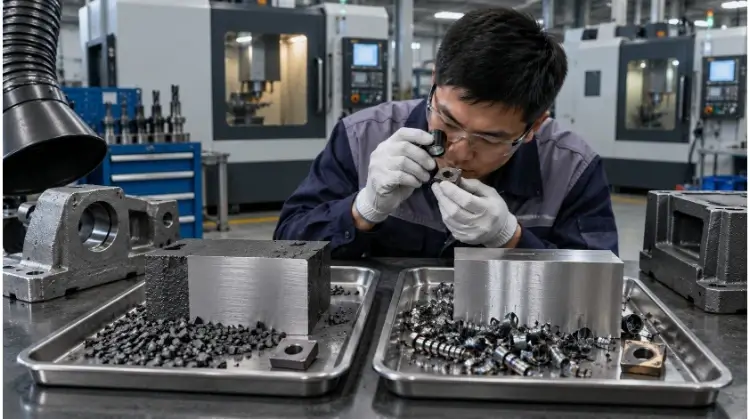
Lavorazione CNC e usura degli utensili
È un’eccessiva semplificazione, spesso diffusa, affermare che la ghisa sia in generale più facile da lavorare rispetto all’acciaio. La lavorabilità dipende in larga misura dalla qualità specifica del materiale e dalla conseguente formazione dei trucioli.
Lavorazione della ghisa grigia:
- La grafite in scaglie presente nella ghisa grigia funge da lubrificante solido naturale, riducendo l'attrito di taglio.
- In genere produce trucioli corti, fragili o polverosi, il che rende facile la loro rimozione senza che si aggroviglino.
- Tuttavia, la polvere di ghisa che ne deriva è altamente abrasiva. Può causare l’usura delle guide delle macchine e contaminare i sistemi di raffreddamento. Di conseguenza, molte officine meccaniche preferiscono eseguire il taglio della ghisa grigia a secco oppure utilizzare impianti specializzati per l’aspirazione della polvere.
Lavorazione dell'acciaio:
- L'acciaio a basso tenore di carbonio (tenero) tende a produrre trucioli lunghi e continui. Gli utensili da taglio devono presentare geometrie rompitruciolo adeguate per evitare che questi trucioli si aggroviglino attorno al mandrino o graffino la superficie lavorata.
- Gli acciai legati e quelli trattati termicamente aumentano notevolmente il carico di taglio, rendendo necessari sistemi di fissaggio rigidi.
- Gli acciai inossidabili austenitici (come il 304 o il 316) sono particolarmente soggetti all’incrudimento: la superficie si indurisce immediatamente non appena l’utensile la taglia. Per contestualizzare, la lavorazione dell’acciaio inossidabile 316 può consumare gli utensili da 2 a 3 volte più velocemente rispetto all’acciaio dolce standard, con un impatto diretto sul costo orario di lavorazione.
Fusione e geometria dei pezzi
La ghisa è fondamentalmente ottimizzata per la fonderia. Si presta particolarmente bene alla realizzazione di forme 3D complesse, alloggiamenti con pareti spesse, componenti con passaggi interni per fluidi, nervature di rinforzo integrate e basi pesanti per macchinari.
Nella progettazione di componenti in ghisa, gli ingegneri devono tenere conto di specifiche regole di produzione. Uno spessore uniforme delle pareti è fondamentale per evitare la formazione di punti caldi e porosità interna durante il raffreddamento. I progetti devono inoltre prevedere raccordi ampi (raggi), angoli di sformo adeguati, tolleranze di ritiro e materiale in eccesso (tolleranza di lavorazione) sulle superfici che richiedono una finitura finale con macchine CNC.
Anche l'acciaio può essere fuso, ma l'acciaio fuso presenta caratteristiche diverse. In genere ha una fluidità inferiore allo stato fuso e tassi di ritiro diversi rispetto alla ghisa, il che spesso rende i getti in acciaio più costosi e tecnicamente più impegnativi da produrre senza difetti.
Saldatura, piegatura e stampaggio
Quando un prodotto richiede la lavorazione di lamiere, piastre o tubi, l’acciaio è il materiale di riferimento.
- Lavorazione dell'acciaio: L'acciaio a basso tenore di carbonio è altamente duttile, il che lo rende la scelta principale per il taglio laser, la piegatura con presse piegatrici CNC e lo stampaggio. È inoltre altamente saldabile. Tuttavia, la saldatura di acciai ad alto tenore di carbonio o fortemente legati richiede un controllo rigoroso del preriscaldamento e dell'apporto termico per evitare la formazione di cricche nella zona termicamente alterata (HAZ).
- Limiti della ghisa: La ghisa non è adatta alla piegatura o allo stampaggio convenzionale della lamiera; la sua scarsa duttilità fa sì che si fratturi semplicemente. Sebbene la ghisa possa essere riparata mediante saldatura, si tratta di un processo complesso che comporta un elevato rischio di fessurazione termica a causa del riscaldamento localizzato e del raffreddamento rapido.
| Processo | Acciaio | Ghisa |
| Lavorazione CNC | Dipende dal grado | Spesso indicato per la ghisa grigia |
| Taglio laser | Comune per lamiere e lastre | Raro per i pezzi fusi |
| Piegatura | Comune per la lamiera d'acciaio | Non adatto |
| Timbratura | Ampiamente utilizzato | Non adatto |
| Saldatura | In generale, pratico | Difficile e soggetto a crepe |
| Colata | Possibile, ma impegnativo | Vantaggio principale |
Costo del ferro rispetto all’acciaio: dal materiale grezzo al prodotto finito
Un prezzo basso delle materie prime raramente garantisce un prodotto finale più economico. Il vero costo di produzione dipende dagli investimenti nelle attrezzature, dai tempi di lavorazione e dai rischi nascosti legati alla qualità.
Costo del pezzo finito = Materiale + Attrezzature + Lavorazione + Finitura + Controllo qualità + Rischio di qualità
Materiali e attrezzature
Per confrontare i costi dei materiali non basta considerare il prezzo al chilogrammo. Le lamiere, i tubi e le barre in acciaio standard sono disponibili in tutto il mondo in dimensioni standard, il che ne consente la lavorazione immediata.
I componenti in ghisa richiedono utensili su misura, in particolare modelli e stampi in sabbia. Per lotti di produzione inferiori a 50-100 unità, la realizzazione di un telaio con lastre di acciaio saldate è spesso più economica ed evita il costo iniziale del modello. Al contrario, quando la produzione raggiunge le migliaia di pezzi, l’ammortamento di un modello di fusione scende a pochi centesimi per pezzo, compensando facilmente l’investimento iniziale per gli stampi. I componenti in lamiera d’acciaio, tuttavia, rimangono di gran lunga più adatti alla prototipazione rapida e alle frequenti revisioni di progetto.
Tempo macchina e volume di produzione
Il volume di produzione determina solitamente il metodo di produzione più conveniente dal punto di vista dei costi. Nel valutare i costi di lavorazione, gli ingegneri devono calcolare le tariffe orarie delle macchine CNC, il consumo degli utensili, le operazioni di attrezzaggio dei pezzi e le ore di saldatura manuale.
La lavorazione di un complesso alloggiamento per pompa, ricavato interamente da un blocco massiccio di acciaio, richiederà un tempo di lavorazione molto lungo e comporterà elevate percentuali di scarti. La fusione di quella stessa forma quasi definitiva in ghisa — e solo Lavorazione CNC le superfici di accoppiamento critiche — ridurranno drasticamente i tempi di ciclo.
| Situazione produttiva | Probabile andamento |
| Un prototipo | Acciaio lavorato o trasformato |
| Telaio per macchine a basso volume | Acciaio strutturale saldato |
| Pezzo in lamiera di grandi dimensioni | Acciaio stampato |
| Alloggiamento complesso a pareti spesse | Ghisa o acciaio fuso |
| Base per macchinari pesanti | Ghisa o acciaio saldato |
| Frequenti modifiche progettuali | Acciaio lavorato |
Costi di finitura e del ciclo di vita
Il calcolo dei costi non si esaurisce con il taglio del metallo. I costi finali devono includere i trattamenti termici, le finiture superficiali (verniciatura a polvere, zincatura), la rettifica di precisione finale e il controllo dimensionale.
Il rischio legato alla qualità rappresenta un costo nascosto enorme. Individuazione di un difetto di porosità sotterranea in un pezzo fuso dopo Investire 10 ore di costosa lavorazione CNC a 5 assi comporta lo scarto di un pezzo, con conseguenti costi elevati. Per mitigare questo rischio, i produttori esperti prescrivono l’esecuzione di un controllo preliminare a ultrasuoni (UT) sui pezzi fusi grezzi prima della lavorazione delle superfici critiche e di alto valore.
Infine, occorre tenere conto dei costi del ciclo di vita, tra cui la manutenzione per la corrosione, la difficoltà di riparazione sul campo e la durata totale di servizio. Pertanto, è impossibile affermare che un materiale sia intrinsecamente “più economico” senza valutare la specifica qualità, la geometria del componente, il volume di produzione e i requisiti di qualità.
Come scegliere tra ferro e acciaio?
La scelta definitiva del materiale implica trovare un equilibrio tra i limiti meccanici e le realtà produttive. Utilizzate queste linee guida operative per definire le specifiche corrette per il vostro prossimo progetto.
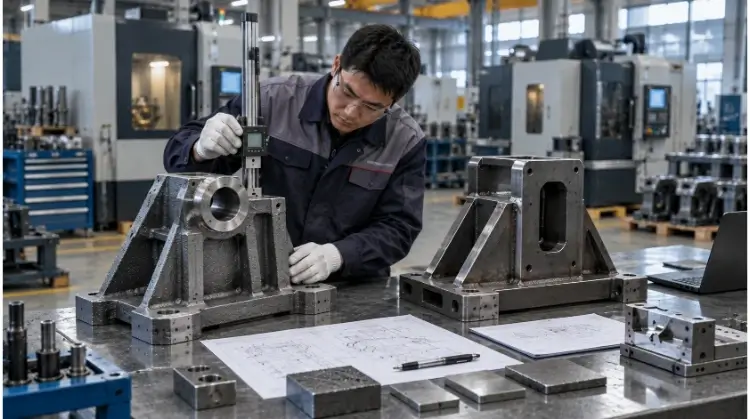
I migliori abbinamenti per la ghisa
Se il vostro progetto si basa su massa, rigidità e geometrie interne complesse, la ghisa rappresenta solitamente la scelta migliore. Privilegiate la ghisa quando il vostro progetto prevede:
- Geometrie 3D complesse che risultano difficili o eccessivamente costose da realizzare con lavorazione CNC partendo da blocchi massicci.
- Canali o cavità interne per il passaggio dei fluidi (utilizzando anime in sabbia).
- Applicazioni in cui prevalgono i carichi di compressione statici piuttosto che quelli di trazione.
- Macchine mobili che richiedono un notevole smorzamento delle vibrazioni meccaniche.
- Basi pesanti e stabili, dove la massa rappresenta un vantaggio.
- Volumi di produzione sufficientemente elevati da consentire l'ammortamento del costo dei modelli di fonderia.
- Non sono richieste operazioni di saldatura strutturale né di piegatura della lamiera.
Parti tipiche: Basi per macchine utensili, alloggiamenti per pompe, blocchi motore, alloggiamenti per riduttori pesanti, corpi valvola di grandi dimensioni e componenti dei freni.
Le migliori soluzioni per l'acciaio
Se il vostro componente deve resistere a forze dinamiche o a sollecitazioni di flessione, oppure se deve essere realizzato a partire da materiale standard, l’acciaio è la scelta principale. Privilegiate l’acciaio quando il vostro progetto prevede:
- Carichi di trazione, flessione o da impatto improvviso.
- Affaticamento e cicli di carico dinamico.
- Realizzazione mediante saldatura strutturale.
- Lavorazioni della lamiera (taglio laser, piegatura, o timbratura).
- Requisiti strutturali relativi a pareti sottili o elementi leggeri.
- Miglioramenti meccanici specifici ottenuti grazie a trattamenti termici accurati.
- Prototipazione iterativa in cui le modifiche al progetto sono frequenti (evitando costi elevati per gli stampi).
- Ambienti soggetti a corrosione (che richiedono l'uso di acciai inossidabili).
Parti tipiche: Custodie in lamiera, staffe di montaggio, telai saldati per macchinari, alberi di trasmissione, ingranaggi, strutture per gru e pezzi stampati per il settore automobilistico.
Requisiti relativi ai disegni e alle richieste di preventivo
Le indicazioni vaghe sui materiali sono una delle cause principali dei ritardi nella presentazione dei preventivi e dei guasti catastrofici dei componenti. Per garantire preventivi accurati e prestazioni affidabili, i disegni tecnici e i fascicoli di richiesta di preventivo (RFQ) devono definire in modo esplicito:
- Tipo esatto di materiale e norma di riferimento (ad es. ASTM, DIN, JIS).
- Tipo specifico di ghisa (grigia, sferoidale, malleabile), se del caso.
- Condizioni richieste del materiale o stato di trattamento termico (ad es. ricotto, temprato e rinvenuto).
- Proprietà meccaniche richieste (limite di snervamento, limiti di durezza).
- Dimensioni critiche, tolleranze geometriche (GD&T) e tolleranze di lavorazione. (Consiglio da esperto: applicare tolleranze strette solo alle superfici di accoppiamento critiche; applicare tolleranze eccessive alle superfici grezze dei pezzi fusi fa aumentare i costi in modo esponenziale senza apportare alcun valore aggiunto.)
- Requisiti di rugosità superficiale per le superfici lavorate.
- Rivestimenti superficiali specifici o operazioni di finitura.
- Requisiti relativi ai certificati dei materiali (ad es., EN 10204 3.1).
- Esigenze relative ai rapporti sui controlli non distruttivi (NDT) o sulle ispezioni dimensionali.
Nota sugli appalti: Non indicare semplicemente “ferro” o “acciaio” su un disegno di produzione. Specificare l’esatto tipo, la norma, lo stato e le proprietà richieste.
Matrice di selezione finale
| Requisiti relativi ai componenti | Direzione consigliata | Motivo principale |
| Involucro in lamiera sottile | Acciaio | Facile da tagliare, piegare e saldare. |
| Telaio saldato della macchina | Acciaio da costruzione | Facile da realizzare e modificare senza l'uso di attrezzature complesse. |
| Base per macchinari pesanti | Ghisa grigia | Eccellente smorzamento delle vibrazioni e stabilità dimensionale. |
| Staffa resistente agli urti | Acciaio | Maggiore tenacità e allungamento a rottura. |
| Corpo pompa complesso | Ghisa o acciaio fuso | Adatto alla fusione di geometrie interne per il passaggio di fluidi. |
| Albero ad alta resistenza | Acciaio legato | Offre un’elevata resistenza alla trazione e opzioni versatili di trattamento termico. |
| Attrezzature per la lavorazione degli alimenti | Acciaio inox | Necessario per garantire la resistenza alla corrosione e il rispetto delle norme igieniche. |
| Prototipo con modifiche | Acciaio lavorato | Minore impegno in termini di attrezzature e maggiore velocità di iterazione. |
Conclusione
La ghisa eccelle nelle geometrie complesse, nella compressione statica e nello smorzamento delle vibrazioni, mentre l’acciaio è fondamentale per la trazione, gli urti violenti, la saldatura e la formatura della lamiera. Una scelta efficace dei materiali deve trovare un equilibrio tra i requisiti meccanici, i volumi di produzione e i costi del ciclo di vita. Per prevenire interruzioni nella catena di approvvigionamento, è opportuno evitare la terminologia generica e specificare sempre l’esatta qualità del materiale e la norma di riferimento sui disegni tecnici.
Non sapete se l'acciaio, la ghisa o un altro metallo sia adatto al vostro componente? Inviateci il vostro disegno, la quantità prevista e i requisiti di servizio. Il nostro team di ingegneri valuterà il materiale, il processo di produzione, le tolleranze e i costi prima dell'avvio della produzione.
Domande frequenti
L'acciaio è più resistente del ferro?
Il termine “più resistente” va contestualizzato. L’acciaio presenta in genere una resistenza alla trazione, una tenacità e una resistenza agli urti molto superiori rispetto alla ghisa. Tuttavia, la ghisa grigia spesso eguaglia o supera l’acciaio dolce standard in termini di resistenza alla compressione. La resistenza finale dipende sempre dalla specifica qualità del materiale e dal trattamento termico.
La ghisa è più facile da lavorare rispetto all’acciaio?
Dipende dai tipi di acciaio che si mettono a confronto. La ghisa grigia è generalmente molto facile da lavorare perché i suoi fiocchi di grafite fungono da lubrificante e favoriscono l’efficiente rottura dei trucioli. Al contrario, gli acciai inossidabili austenitici (come il 316) e gli acciai legati temprati sono significativamente più duri per gli utensili da taglio rispetto all’acciaio dolce standard.
È possibile saldare la ghisa?
Sebbene la ghisa possa essere riparata mediante saldatura utilizzando tecniche specializzate (come bacchette di apporto ad alto contenuto di nichel e un rigoroso controllo termico), è altamente soggetta a fessurazioni a causa del rapido raffreddamento localizzato. Pur essendo accettabile per riparazioni estetiche su aree non critiche, la saldatura non dovrebbe mai essere prescritta per componenti strutturali in ghisa sottoposti a carichi variabili, poiché comporta un grave rischio di cedimento.
La ghisa è più economica dell'acciaio?
In termini di peso lordo, i lingotti di ghisa sono spesso più economici dell’acciaio. Tuttavia, è il costo del pezzo finito a determinare il prezzo effettivo. Un pezzo in ghisa prodotto in piccole quantità risulterà costoso a causa dei costi legati alla realizzazione del modello di fonderia. La ghisa diventa davvero conveniente solo quando il volume di produzione è sufficientemente elevato da consentire l’ammortamento degli stampi.
Qual è il materiale più adatto per l'uso all'aperto?
Né l'acciaio al carbonio standard né la ghisa possono resistere all'esposizione all'aperto senza protezione; entrambi sono soggetti a ruggine. Per gli ambienti esterni, i progettisti devono specificare l'uso dell'acciaio inossidabile oppure applicare rivestimenti industriali resistenti, quali la zincatura a caldo, la verniciatura a polvere o le vernici epossidiche per uso marittimo, indipendentemente dal fatto che il metallo di base sia ferro o acciaio.