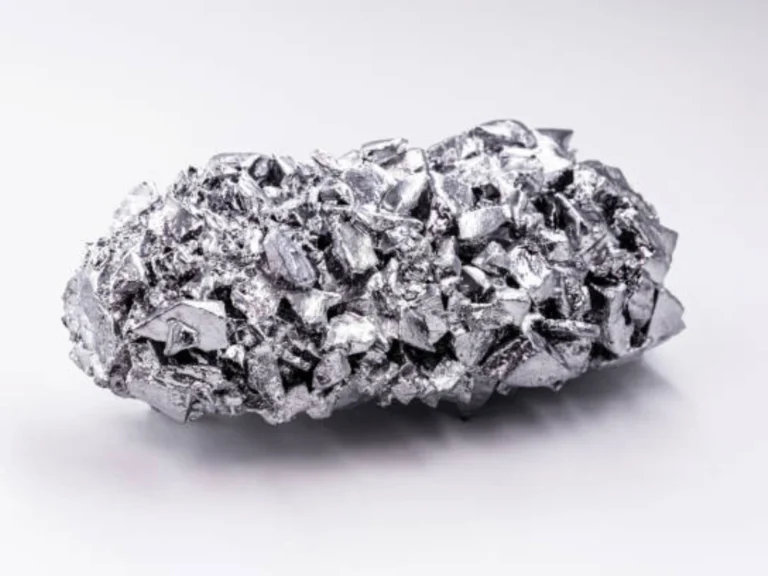
Difference Between Steel and Iron: A Manufacturing Guide

Materials

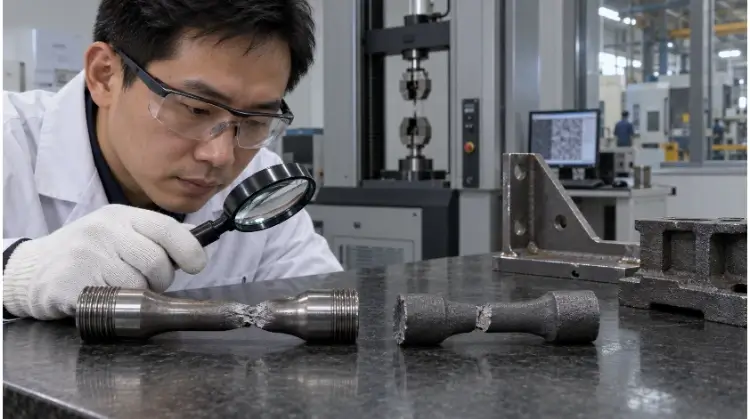
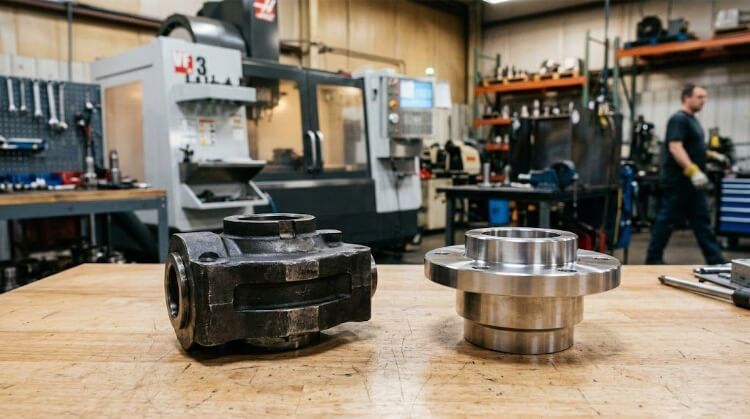
Steel and Cast Iron Test Samples

Difference Between Steel and Iron: A Manufacturing Guide

The main difference between iron and steel is their carbon content. Iron is an element, while steel is an alloy of iron and carbon (typically under 2%). Steel provides high tensile strength and weldability, whereas cast iron (over 2% carbon) offers superior compressive strength, castability, and vibration damping.
Read More »
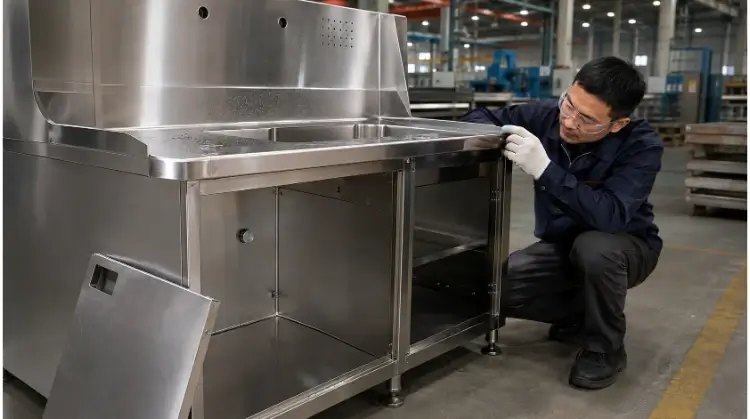
Wet Worktop Above a Dry Cabinet Frame

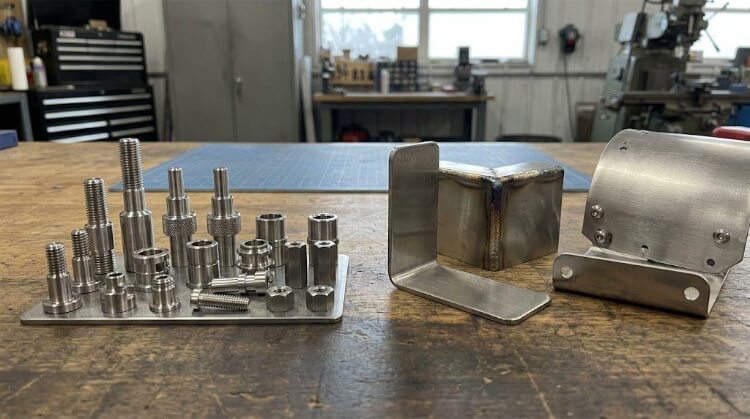
304 vs 430 Stainless Steel: Choosing the Right Grade

The primary difference between 304 and 430 stainless steel is nickel. Grade 304 contains nickel, making it highly corrosion-resistant, non-magnetic, and easy to form. Grade 430 contains no nickel, making it a cheaper, magnetic alternative suited for dry environments but more prone to cracking and rust.

Read More »
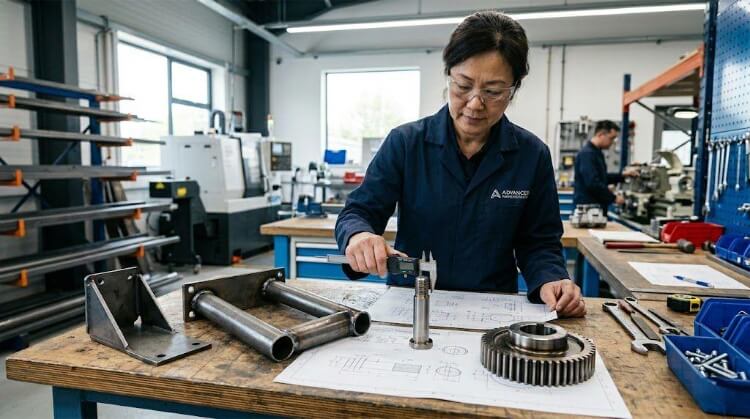
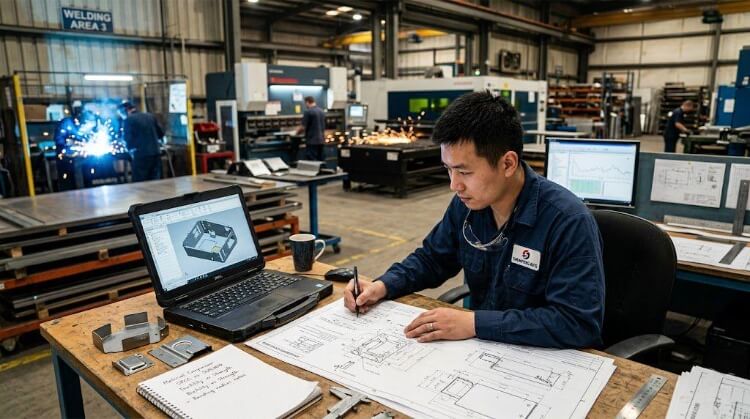
Why Steel Selection Matters in Manufacturing

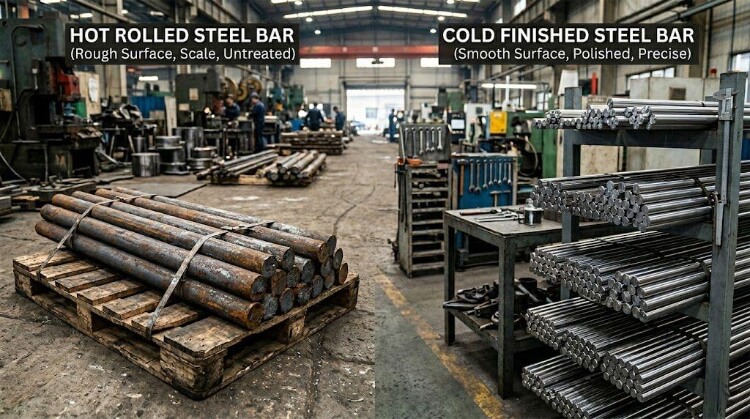
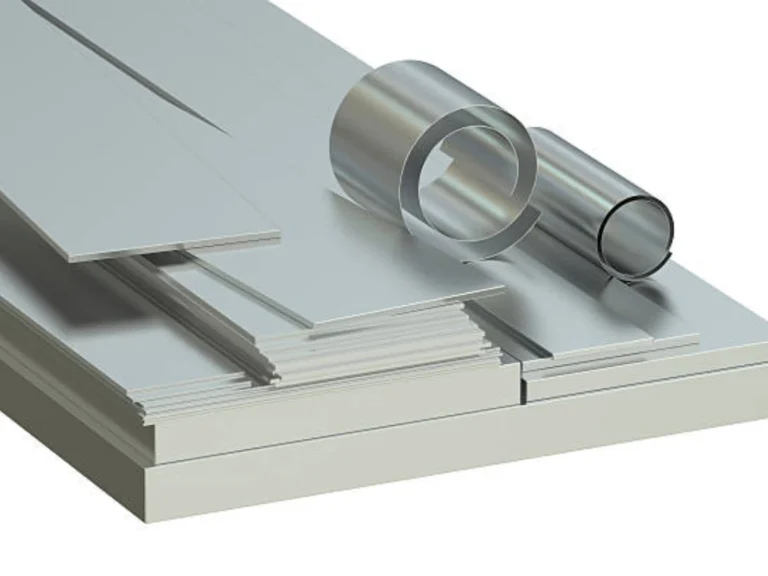
Hot Rolled vs Cold Rolled Steel: Manufacturing, Cost & Performance

The core difference lies in processing temperatures. Hot-rolled steel is shaped at high heat, offering cost-effective deformability for structural components. Cold-rolled steel undergoes additional room-temperature reduction, yielding tighter dimensional tolerances, a superior surface finish, and increased yield strength for precision manufacturing.

Read More »
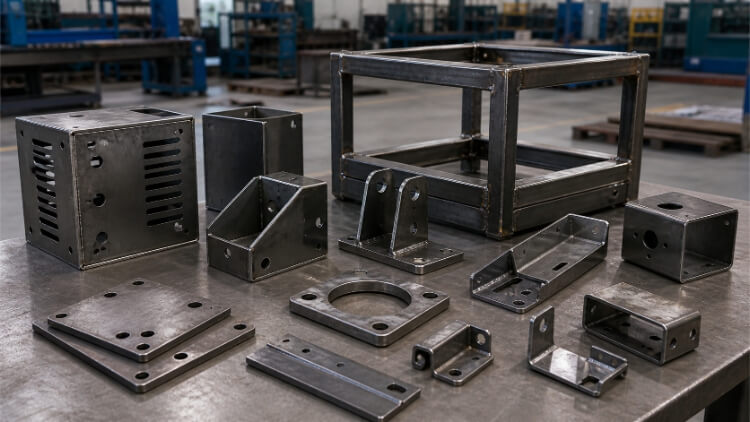
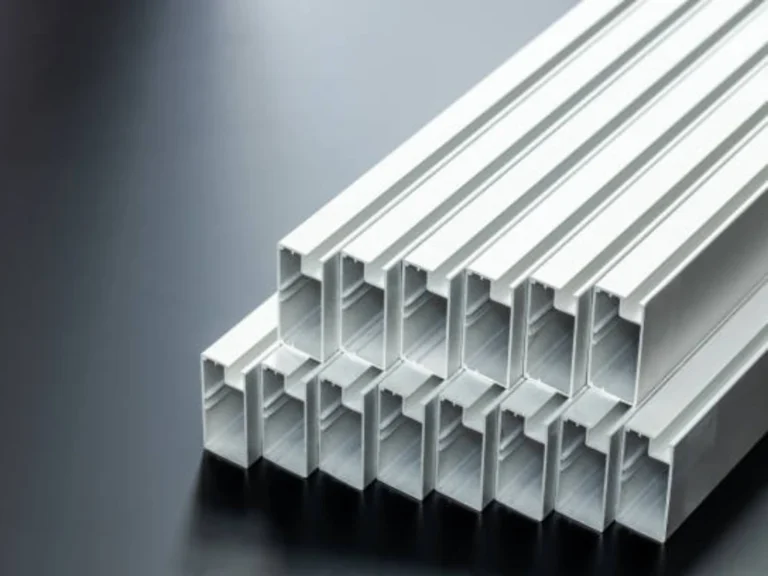
Common Q235 Steel Parts and Applications

Q235 Steel: Selection, Fabrication, and Cost Risks

Alodine is the superior choice when your part requires surface conductivity for electrical grounding, has extremely tight dimensional tolerances that cannot accommodate coating buildup, or needs a reliable primer base for painting. Anodize, on the other hand, is the right choice when you need an exceptionally hard surface, high wear resistance, controlled cosmetic appearance, or long-term protection against harsh environmental exposure.

Read More »

Get in Touch with Us

Drag & Drop Files, Choose Files to Upload