 Italian
  English
  Spanish
  German
  Russian
  French
L'e-coating è un metodo di finitura comune per le parti metalliche che necessitano di una migliore resistenza alla corrosione e di una copertura più uniforme.
Molti acquirenti e ingegneri conoscono il termine, ma spesso si pongono le stesse domande. Come funziona il processo di e-coating? Quando è meglio della verniciatura a polvere? Quali sono le parti del progetto che lo rendono più facile o più difficile da usare?
Questa guida spiega l'e-coating in termini semplici di produzione. Si concentra sul processo, sulla progettazione dei pezzi, sui difetti comuni, sui costi e sulla scelta della finitura.
Che cos'è l'E-Coating?
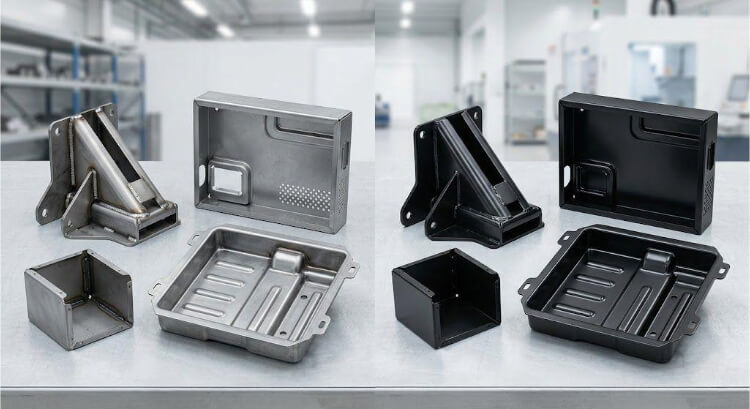
L'e-coating, chiamato anche e-coat o electrocoating, è un processo di finitura che utilizza la corrente elettrica per depositare una pellicola di vernice su una parte metallica conduttiva.
Viene scelto principalmente per la protezione funzionale piuttosto che per l'aspetto decorativo. Il suo valore principale è una copertura protettiva più uniforme su parti metalliche complesse, soprattutto quando giunture, rientranze, angoli schermati e superfici nascoste rendono più difficile il controllo della corrosione con i metodi a spruzzo.
Nell'uso pratico, l'e-coat è solitamente un film sottile e controllato piuttosto che uno spesso strato decorativo, in genere intorno ai 15-30 μm.
Il pezzo viene pulito, posto in un bagno di rivestimento e caricato in modo che le particelle di vernice si attacchino alla superficie. È ampiamente utilizzato su parentesi, alloggiamenti, gruppi saldati, supporti per batterie e involucri in lamiera che necessitano di una resistenza stabile alla corrosione in produzioni ripetute, non solo di un aspetto accettabile sulle superfici esposte.
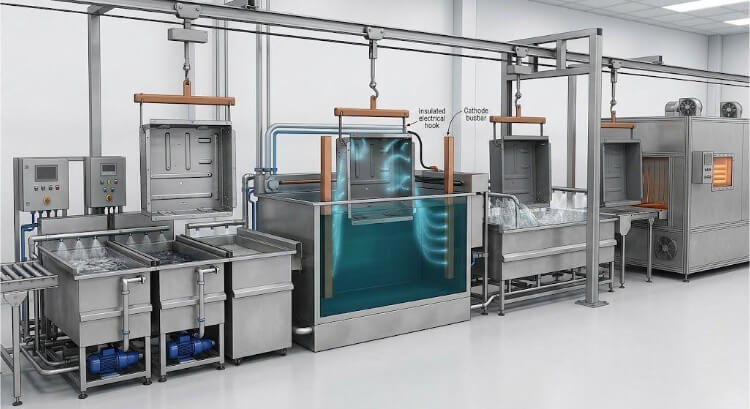
In che modo il processo di elettroverniciatura utilizza la corrente elettrica per depositare la vernice?.
Il bagno di rivestimento contiene particelle di vernice cariche. Quando viene applicata una corrente, queste particelle si muovono verso la superficie metallica, formando un sottile rivestimento.
Man mano che il film si forma, la deposizione rallenta naturalmente. Questo contribuisce a creare una copertura più uniforme, motivo per cui l'e-coating è spesso la scelta migliore per le aree incassate, schermate o difficili da proteggere, dove la copertura a spruzzo diventa meno affidabile e i rischi di corrosione nascosti rischiano di passare inosservati.
Perché l'e-coating viene utilizzato principalmente per la protezione dalla corrosione anziché per la decorazione?
Il rivestimento elettronico viene scelto soprattutto quando la protezione è più importante dell'aspetto.
Aiuta a proteggere il metallo dall'umidità, dal sale e dall'esposizione agli agenti chimici. Questo lo rende una scelta forte per la ferramenta industriale, gli involucri elettrici, i manufatti saldati e le parti di supporto strutturale, ma di solito è una scelta più debole quando il progetto richiede un colore più ricco, una struttura più spessa o una finitura più decorativa con requisiti visivi più elevati.
Il processo di rivestimento elettronico spiegato passo per passo
I buoni risultati dell'e-coating non derivano solo dal bagno di rivestimento. Dipendono dal controllo dell'intero processo prima, durante e dopo la deposizione.
Quale preparazione della superficie è necessaria prima dell'e-coating?
La preparazione della superficie è la prima fase che influisce sulla qualità del rivestimento.
Prima di iniziare l'e-coating, il pezzo viene solitamente pulito e pretrattato per rimuovere olio, polvere, ossidi e altri contaminanti superficiali. Questa fase aiuta il rivestimento ad aderire in modo più uniforme alla superficie metallica e riduce il rischio di un'adesione debole in seguito.
Come l'immersione, la tensione e la deposizione costruiscono il film di rivestimento?
Dopo il pretrattamento, il pezzo viene inserito nel bagno di e-coating.
Il bagno contiene particelle di rivestimento cariche sospese nel liquido. Quando viene applicata la tensione, le particelle si muovono verso la superficie del pezzo conduttivo e iniziano a formare un sottile film di rivestimento. Questa è la fase che crea lo strato protettivo.
Man mano che il film si forma, inizia a resistere a un ulteriore flusso di corrente. Questo rallenta naturalmente la deposizione e aiuta a controllare lo spessore del film.
Perché il risciacquo e la cottura sono importanti per le prestazioni del rivestimento finale?
Dopo la deposizione, il pezzo viene solitamente risciacquato per rimuovere il materiale di rivestimento in eccesso che non si è attaccato completamente.
Il pezzo viene poi cotto per polimerizzare il rivestimento. Durante la polimerizzazione, il film si indurisce e diventa uno strato protettivo più resistente. Se le condizioni di polimerizzazione sono instabili o incomplete, il rivestimento potrebbe non raggiungere l'adesione, la durezza o la resistenza alla corrosione previste.
In altre parole, un pezzo può apparire rivestito prima della polimerizzazione ma non soddisfare gli obiettivi di prestazione se la fase di polimerizzazione non è ben controllata. Un pezzo visivamente accettabile non è sempre un pezzo completamente polimerizzato.
Quali fattori di controllo del processo influenzano maggiormente lo spessore e la consistenza del rivestimento?
Diversi fattori influenzano lo spessore del rivestimento e l'uniformità della produzione.
La chimica del bagno, la tensione, il tempo di immersione, il design del rack, la posizione dei pezzi, il drenaggio e il controllo del forno influenzano i risultati finali. Anche quando il sistema di rivestimento è corretto, un cattivo contatto con il rack o impostazioni instabili possono creare una produzione non uniforme o variazioni di qualità.
Per i pezzi con giunture, rientranze, sezioni scatolate o canali interni, la stabilità del processo diventa ancora più importante perché la geometria aumenta già la difficoltà del rivestimento. Più difficile è la geometria, meno margine di errore ha il processo.
Pro e contro dell'E-Coating: vantaggi, limiti e applicazioni comuni
La verniciatura elettrolitica si rivela efficace in molti progetti industriali, ma non è la risposta giusta per tutti i pezzi. Il suo valore diventa più chiaro quando si confrontano i punti in cui funziona bene e quelli in cui non funziona.
Quali sono i principali vantaggi dell'e-coating per le parti metalliche?
Il vantaggio principale dell'e-coating è una copertura più uniforme.
Poiché il pezzo viene rivestito in un bagno liquido durante la deposizione elettrica, il film può formarsi in modo più uniforme su angoli, giunture, rientranze e altre caratteristiche difficili da raggiungere. Ciò lo rende una valida opzione per i componenti funzionali in cui il rischio di corrosione nascosta è più importante dell'aspetto superficiale.
Un altro vantaggio è la ripetibilità del processo. Se la linea è ben controllata, l'e-coating può garantire uno spessore di rivestimento costante in cicli di produzione ripetuti e ridurre le variazioni da pezzo a pezzo.
Perché l'e-coating funziona bene su forme complesse, rientranze e aree interne?
L'e-coating funziona bene su pezzi complessi perché il rivestimento viene depositato per immersione, non solo da un'unica direzione di spruzzatura.
Ciò le conferisce un chiaro vantaggio rispetto a staffe saldate, involucri piegati, gruppi scatolati e parti stampate con canali o elementi incassati. In questi casi, la copertura più uniforme è spesso la vera ragione per scegliere l'e-coating, non il nome stesso della finitura.
Tuttavia, una migliore portata non significa una portata illimitata. Sezioni molto chiuse, scarsa ventilazione e spazi intrappolati possono ancora ridurre la qualità del rivestimento e devono essere esaminati tempestivamente. Se la geometria blocca l'accesso o il drenaggio, il vantaggio del processo si riduce rapidamente.
Quali sono i limiti principali dell'e-coating in termini di colore, struttura del film e aspetto?
L'e-coating presenta evidenti limiti nella flessibilità visiva.
Di solito non è la prima scelta quando un progetto richiede una struttura decorativa spessa, un'ampia scelta di colori o una superficie dall'aspetto più pregiato. Rispetto alla verniciatura a polvere, l'e-coating è spesso più sottile e funzionale. In molti progetti, funziona meglio come strato protettivo controllato che come finitura estetica ad alto spessore.
Ciò significa che l'e-coating è solitamente più efficace come finitura protettiva che come finitura estetica, soprattutto quando la ricchezza della superficie visibile è un fattore d'acquisto fondamentale.
Quali industrie e prodotti utilizzano comunemente il rivestimento elettronico?
L'e-coating è comune nei settori in cui le parti metalliche sono a rischio di corrosione e la coerenza della produzione è importante.
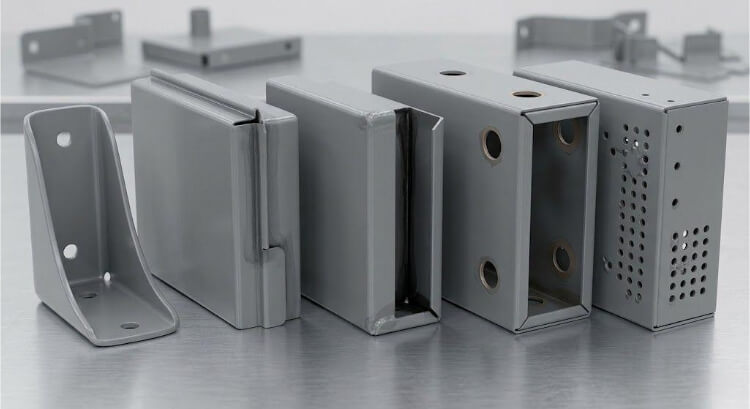
Esempi tipici sono i componenti automobilistici, le staffe industriali, le custodie elettriche, la ferramenta agricola, le parti di macchinari, i supporti per batterie e gli assemblaggi metallici saldati. Questi sono i tipi di prodotti in cui una protezione affidabile su giunture, rientranze e elementi formati è più importante di un aspetto esterno decorativo.
In queste applicazioni, la qualità del rivestimento viene spesso giudicata in base alla consistenza del film, all'adesione e alle prestazioni di corrosione, piuttosto che al solo aspetto visivo.
Guida alla progettazione del rivestimento elettronico
La geometria dei pezzi spesso determina se l'e-coating procede senza intoppi o presenta dei rischi. I dettagli di progettazione possono influenzare direttamente la copertura, il drenaggio e le prestazioni del rivestimento a lungo termine.
In che modo i fori, i canali e le cavità influenzano la copertura di e-coating?
Fori, canali e cavità possono migliorare o ridurre la qualità del rivestimento a seconda di come sono progettati.
Se queste caratteristiche consentono al liquido di pretrattamento, al materiale di rivestimento e all'acqua di risciacquo di scorrere più facilmente attraverso il pezzo, la copertura è solitamente più affidabile. Se sono troppo strette, troppo profonde o mal posizionate, diventa più difficile rivestire uniformemente le aree interne.
Ciò è particolarmente importante per i gruppi scatolati, le staffe di supporto, i vassoi delle batterie e gli alloggiamenti in lamiera con sezioni interne sagomate. Su questi componenti, l'accesso interno fa spesso la differenza tra una copertura nominale e una copertura affidabile.
Perché i fori di drenaggio e di sfiato sono importanti nella progettazione dell'e-coating?
I fori di drenaggio e di sfiato sono piccoli accorgimenti, ma spesso decidono se un pezzo è ben rivestito.
Favoriscono l'ingresso, il movimento e la fuoriuscita dei liquidi durante le fasi di pretrattamento, rivestimento e risciacquo. Senza un drenaggio e uno sfiato adeguati, il liquido può rimanere intrappolato all'interno del pezzo, aumentando il rischio di contaminazione, formazione di un film non uniforme e successiva corrosione.
Per i manufatti saldati, gli involucri piegati e i profilati cavi, questo è di solito uno dei primi punti di progettazione da rivedere prima dell'inizio della produzione. In pratica, una piccola modifica del drenaggio può evitare un problema di rivestimento molto più grande.
In che modo soluzioni intrappolate, spazi ciechi e aree sovrapposte possono causare problemi di rivestimento?
La soluzione intrappolata è uno dei rischi più comuni legati alla geometria nell'e-coating.
Spazi ciechi, giunzioni, cuciture piegate e aree di sovrapposizione possono trattenere sostanze chimiche di pretrattamento, acqua di risciacquo o materiale di rivestimento. Quando ciò accade, il pezzo può presentare una copertura debole, contaminazione, rischio di formazione di bolle o guasti precoci in servizio.
In molti casi, non si tratta di un problema di linea di rivestimento. È un problema di geometria. Se il progetto intrappola il fluido, il processo ha solitamente meno spazio per recuperare.
In che modo le saldature, le giunture, i bordi piegati e le sezioni scatolate influenzano i risultati del rivestimento?.
Saldato e formato Spesso le caratteristiche rendono il rivestimento più sensibile perché creano transizioni, superfici schermate e problemi di drenaggio.
I cordoni di saldatura possono creare condizioni di superficie non uniformi. I bordi piegati possono intrappolare il liquido. Le sezioni a scatola possono limitare il flusso e ridurre l'accesso al rivestimento. Queste caratteristiche non sono sempre causa di guasti, ma di solito rendono più difficile ottenere risultati di rivestimento stabili.
Ecco perché i componenti con queste caratteristiche necessitano di una maggiore revisione del progetto, non di una minore, prima di entrare in produzione.
Quali modifiche progettuali possono migliorare la qualità dell'e-coating prima dell'avvio della produzione?
Piccole modifiche al progetto possono ridurre il rischio di rivestimento prima della prima produzione.
Migliori percorsi di drenaggio, migliore ventilazione, meno spazi intrappolati, transizioni interne più fluide e meno sovrapposizioni inutili possono migliorare la consistenza del rivestimento. Un pezzo più facile da pulire, rivestire, risciacquare e drenare è solitamente più facile da proteggere bene.
Verniciatura elettronica e verniciatura a polvere: Quale finitura è migliore per il vostro pezzo
Rivestimento elettronico e verniciatura a polvere vengono spesso confrontati, ma non risolvono lo stesso problema allo stesso modo. La scelta migliore dipende dalle esigenze del pezzo.
Qual è la vera differenza tra verniciatura elettronica e verniciatura a polvere?
La differenza principale sta nel modo in cui il rivestimento viene applicato e nel risultato che ci si aspetta di ottenere.
L'e-coating utilizza la deposizione elettrica in un bagno liquido. La verniciatura a polvere utilizza uno spruzzo elettrostatico seguito da polimerizzazione a caldo. Per questo motivo, l'e-coating è solitamente più adatto a creare uno strato protettivo sottile e uniforme, mentre la verniciatura a polvere è spesso più adatta a creare una finitura esterna più spessa e decorativa.
Quale processo garantisce una migliore copertura di angoli, rientranze e aree difficili da raggiungere?
L'e-coating di solito funziona meglio su aree incassate, cuciture, canali e altri elementi più difficili da spruzzare.
Poiché il pezzo è immerso in un bagno di rivestimento, il processo può proteggere molte aree che sono più difficili da raggiungere in modo uniforme per la polvere spruzzata. Ciò rende l'e-coating una scelta migliore quando il rischio di corrosione nascosta supera la formazione di un film visibile.
La verniciatura a polvere può ancora funzionare bene su molte parti sagomate, ma di solito è meno affidabile nelle sezioni interne profonde o schermate. In pratica, la verniciatura a polvere crea anche uno strato esterno più spesso, mentre l'e-coating si mantiene più spesso entro un intervallo controllato e più sottile.
Quando l'e-coating funziona meglio come primer piuttosto che come finitura finale?
L'e-coating spesso funziona molto bene come strato di fondo.
In molti progetti di produzione, viene utilizzato innanzitutto per creare una base uniforme resistente alla corrosione. Una seconda finitura, come la verniciatura a polvere, viene poi applicata per migliorare l'aspetto, la formazione del film o la resistenza all'esterno. Si tratta di una soluzione comune quando il pezzo necessita sia di una protezione interna che di una finitura visibile più resistente.
Per i pezzi complessi fabbricati, questo sistema combinato è spesso più efficace che affidarsi a una singola finitura. In questi casi, l'approvazione finale è solitamente legata sia ai test di corrosione che all'aspetto della finitura, non a un singolo risultato.
Quando è meglio la verniciatura a polvere per l'aspetto, la formazione di una pellicola più spessa o l'esposizione all'esterno?
La verniciatura a polvere è spesso la scelta migliore quando l'aspetto della superficie è più importante.
Di solito offre una maggiore flessibilità in termini di colore, lucentezza, consistenza e qualità della finitura visibile. Inoltre, crea uno strato superficiale più spesso, che può essere utile quando il pezzo ha bisogno di una copertura esterna più forte o di una finitura dall'aspetto più pregiato.
Per molti prodotti per esterni, la verniciatura a polvere viene spesso scelta quando la finitura deve proteggere il pezzo e soddisfare anche uno standard visivo più elevato.
Costo dell'E-Coating, controlli di qualità e domande ai fornitori prima della produzione
Un prezzo di rivestimento basso non sempre significa un costo di progetto inferiore. Prima dell'approvazione, i team devono esaminare il controllo di qualità, la capacità dei fornitori e il rischio reale di produzione.
Quanto costa l'e-coating rispetto ad altri metodi di finitura?
I costi del rivestimento elettronico dipendono dal pezzo, non solo dal nome del processo.
I pezzi piccoli e semplici possono essere convenienti nella produzione ripetuta. I grandi gruppi saldati, i pezzi difficili da drenare e quelli a maggior rischio di scarto spesso comportano un costo reale del rivestimento più elevato. In molti progetti, l'e-coating diventa più competitivo quando l'obiettivo è una protezione anticorrosione stabile in cicli di produzione ripetuti.
Quali fattori incidono sul costo dell'e-coating oltre al prezzo del rivestimento quotato?
Diversi fattori possono modificare il costo reale dell'e-coating.
Le dimensioni dei pezzi, la forma, il materiale, la densità degli scaffali, il volume, le esigenze di mascheratura, la complessità del pretrattamento, il controllo della polimerizzazione e il rischio di rilavorazione sono tutti fattori importanti. Un pezzo può ricevere un preventivo normale per il rivestimento, ma può comportare costi aggiuntivi se le cuciture, le rientranze o le sezioni scatolate rendono la qualità più difficile da controllare.
Quali test dovrebbero confermare la resistenza alla corrosione, l'adesione e lo spessore del rivestimento?
Un fornitore deve essere in grado di verificare la qualità del rivestimento, non solo di descriverla.
I controlli più comuni includono lo spessore del rivestimento, l'adesione, l'aspetto e le prestazioni di corrosione, a seconda dei requisiti di servizio. Per alcuni progetti, i team devono anche verificare la consistenza della polimerizzazione e il controllo del pretrattamento, soprattutto quando il pezzo comprende superfici nascoste o elementi saldati.
Conclusione
L'e-coating è una scelta importante quando una parte metallica necessita di una protezione affidabile dalla corrosione, di uno spessore stabile del rivestimento e di una migliore copertura su forme complesse.
È particolarmente utile per i pezzi con rientranze, cuciture, canali e altre caratteristiche che sono più difficili da proteggere con la sola finitura a spruzzo. In molti progetti, il suo valore deriva dalla consistenza e dalla funzionalità più che dall'aspetto della superficie.
Per gli ingegneri e gli acquirenti, il modo migliore per scegliere il rivestimento elettronico è quello di esaminare insieme la funzione del pezzo, la geometria, l'obiettivo di corrosione e le esigenze di produzione. Questo approccio porta a una migliore decisione sulla finitura e a minori problemi in seguito.
L'e-coating è la finitura giusta per il vostro pezzo? Inviateci i vostri disegni, i materiali, le quantità e i requisiti di applicazione.. Il nostro team di ingegneri può esaminare la geometria del pezzo, gli obiettivi di corrosione e le esigenze di produzione, quindi consigliare una soluzione di rivestimento più adatta al progetto.