Precision sheet metal fabrication for electronics, telecom, industrial equipment, medical devices, and outdoor systems — from prototype validation to volume production.
Designed around real manufacturing, assembly, and environmental requirements — not generic enclosure templates.
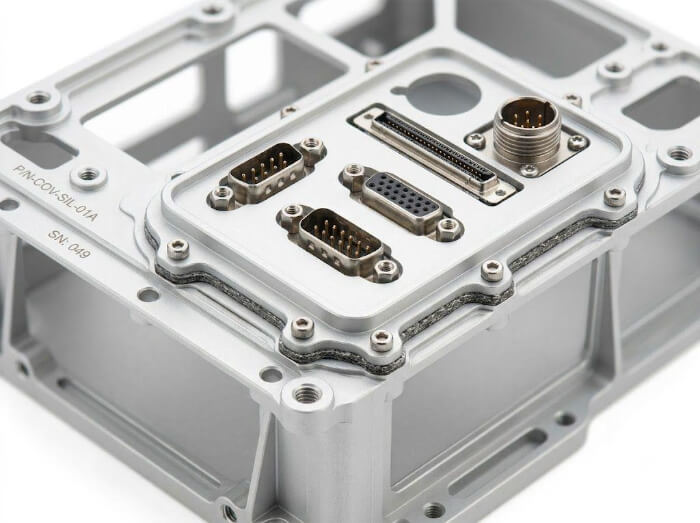
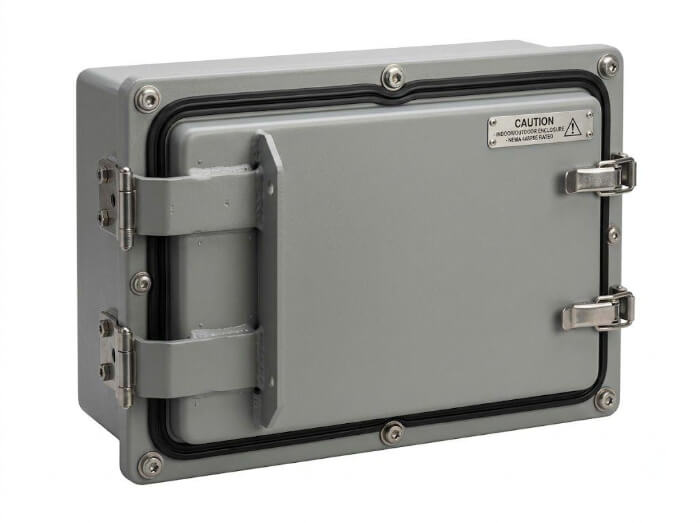
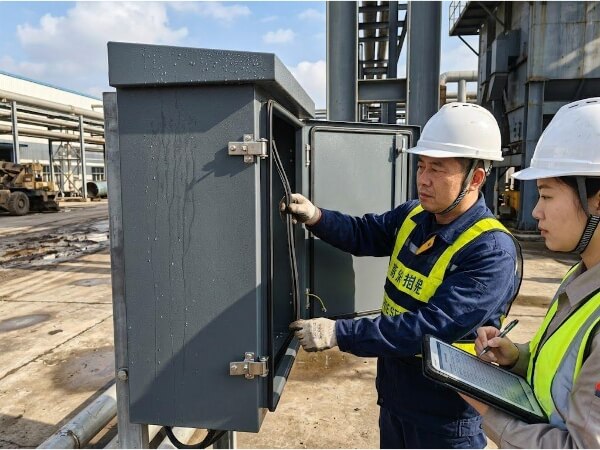
Integrated bend structures, welded seams, and gasket-compatible designs for outdoor and industrial environments requiring dust and water resistance.
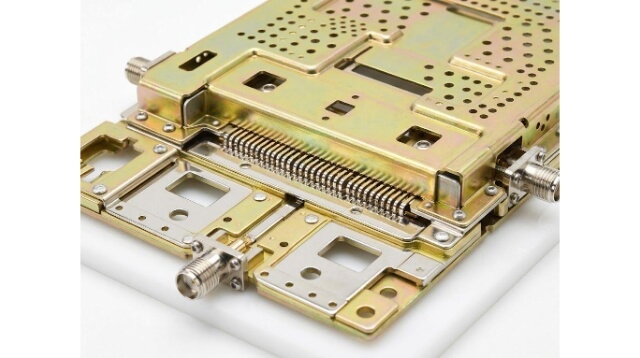
Controlled contact surfaces, conductive coatings, and tight assembly tolerances supporting electromagnetic shielding performance.
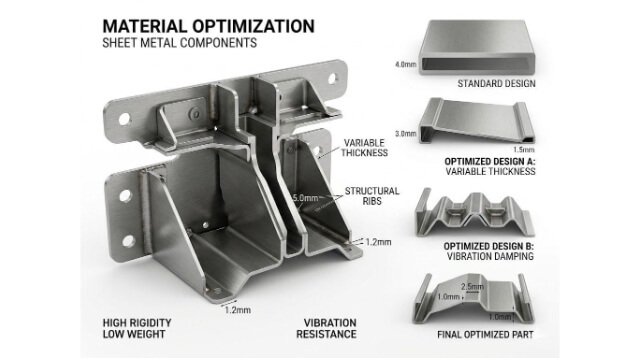
Material selection support balancing rigidity, weight, vibration resistance, and production cost across different applications.
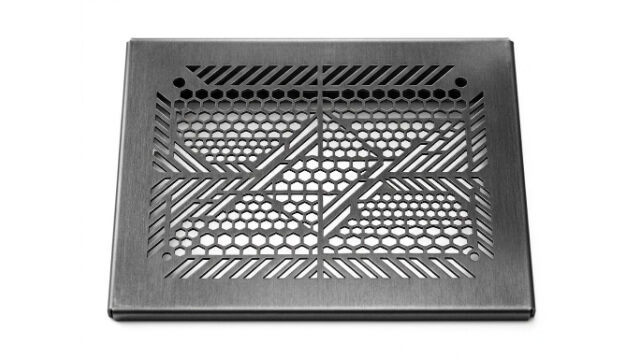
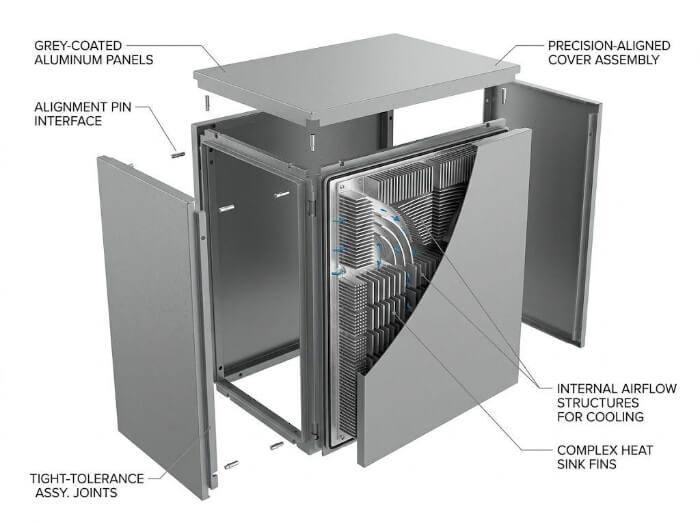
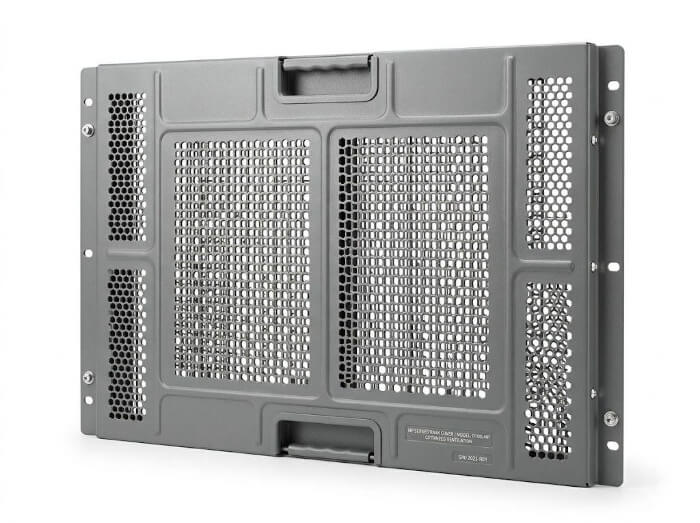
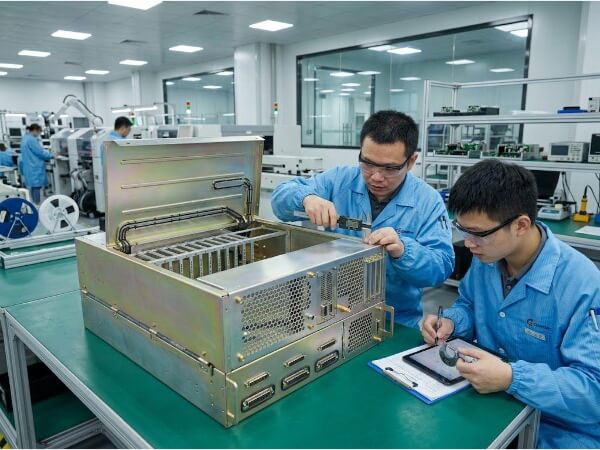
Laser-cut vent patterns and airflow-oriented structures designed to improve internal heat dissipation without reducing enclosure strength.
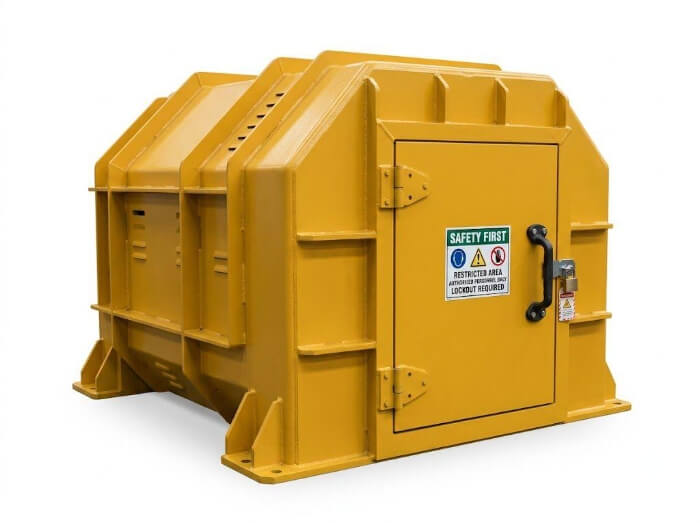
Manufactured for equipment protection, structural integration, thermal management, and long-term operational reliability.
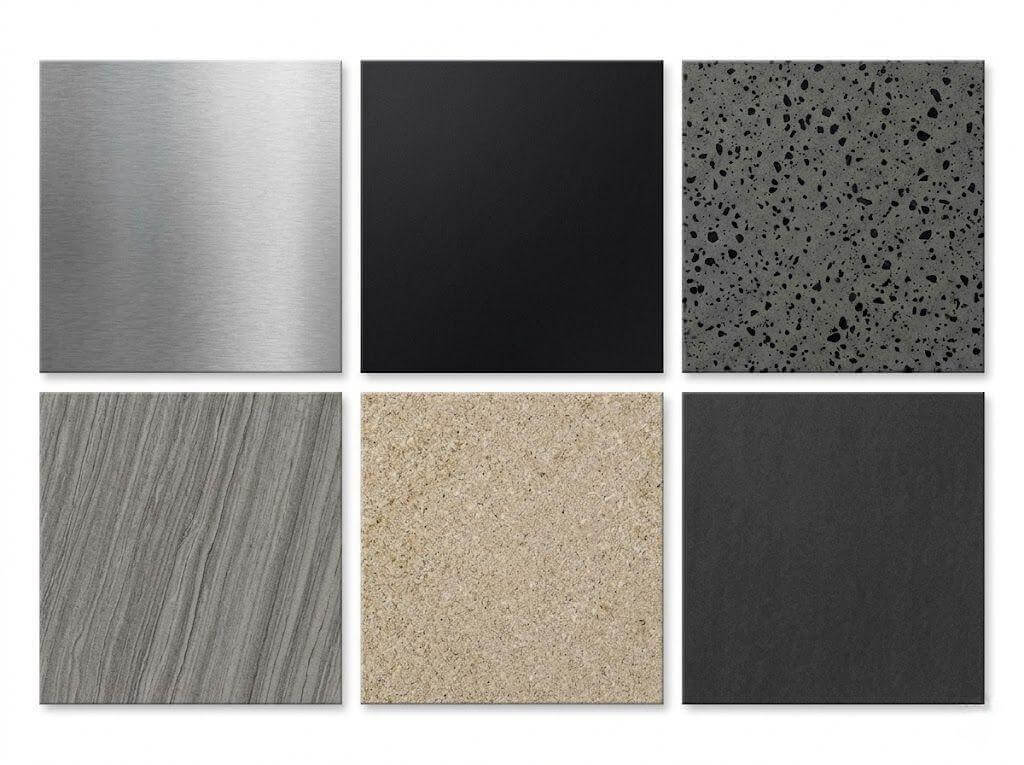
Material and finishing combinations selected according to corrosion resistance, structural performance, appearance requirements, and operating environment.
| Material | Typical Thickness | Recommended Finishes | Key Advantages | Common Applications |
|---|---|---|---|---|
| 304 Stainless Steel | 1.0–3.0 mm | Brushing, Powder Coating, Electropolishing | Corrosion resistance, cosmetic appearance, easy cleaning | Medical equipment, food processing systems |
| 5052 Aluminum | 1.0–4.0 mm | Anodizing, Powder Coating, Sandblasting | Lightweight structure, corrosion resistance | Electronics enclosures, telecom systems |
| Cold Rolled Steel | 0.5–3.0 mm | Powder Coating, E-coating | Cost-effective, strong structural support, high dimensional accuracy | Industrial cabinets, machine covers, automotive parts |
| Galvanized Steel | 0.8–3.0 mm | Powder Coating, Painting | Excellent outdoor corrosion resistance, economical zinc protection | Outdoor kiosks, electrical enclosures, solar brackets |
Quality control is embedded throughout the manufacturing process — from engineering review to final inspection.
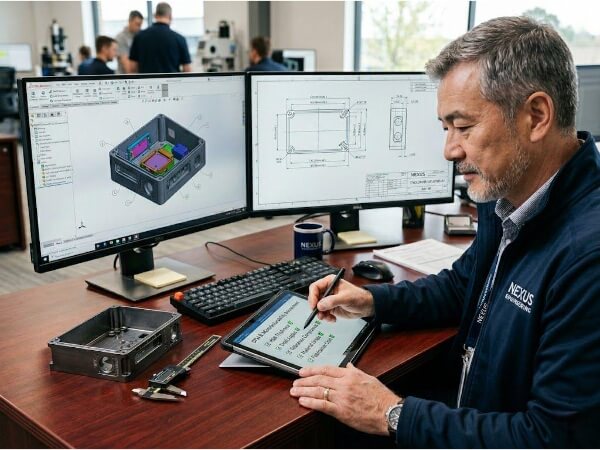
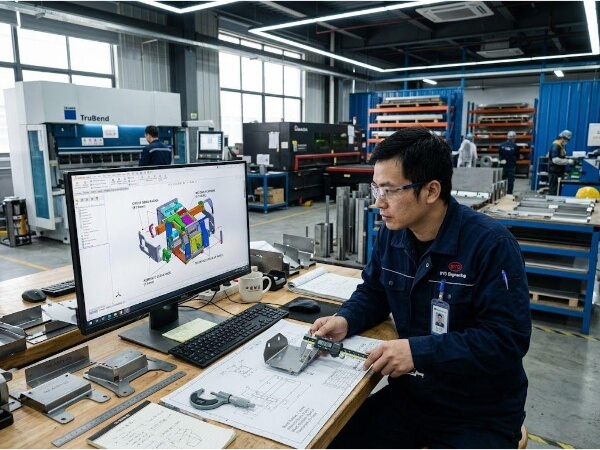
Review of drawings, tolerances, assembly interfaces, material selection, and manufacturing feasibility before production release.
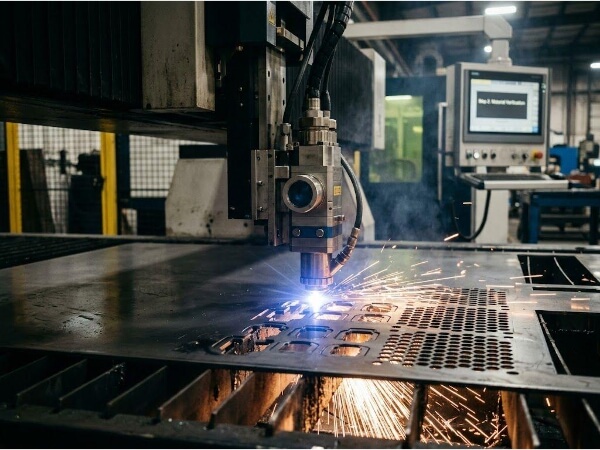
Fiber laser cutting for accurate profiles, connector openings, ventilation patterns, and mounting features.
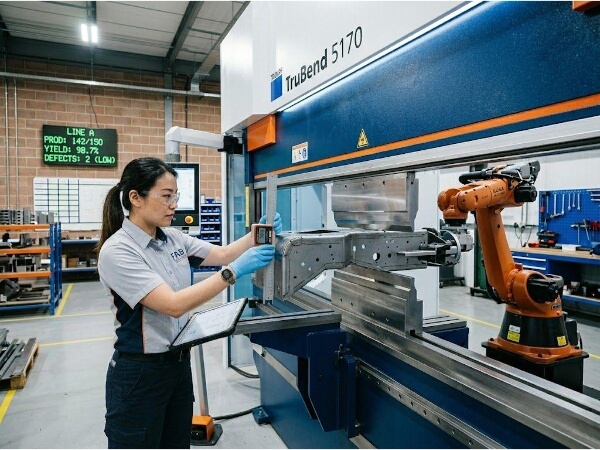
Precision bending using dedicated tooling and controlled bend sequences to maintain assembly consistency.
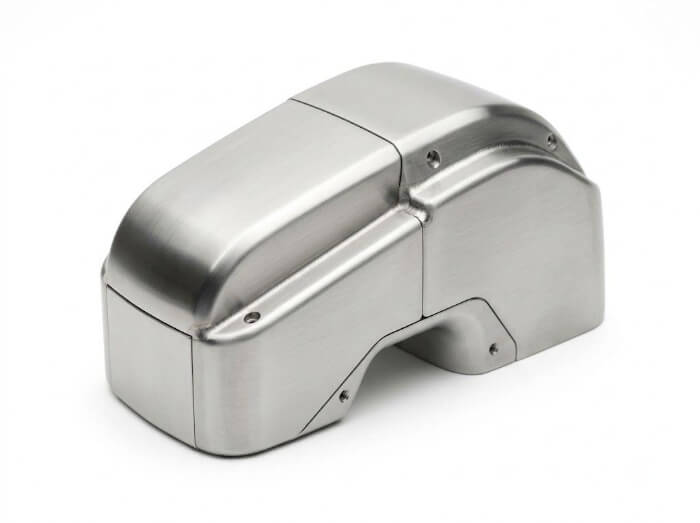
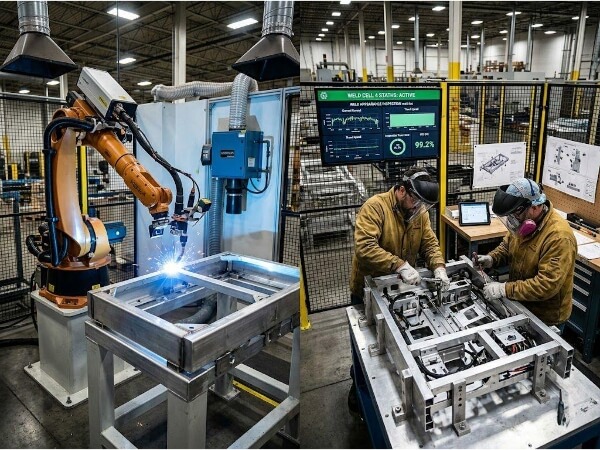
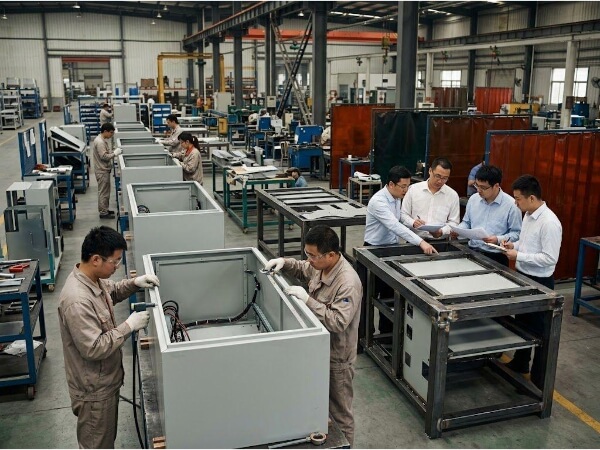
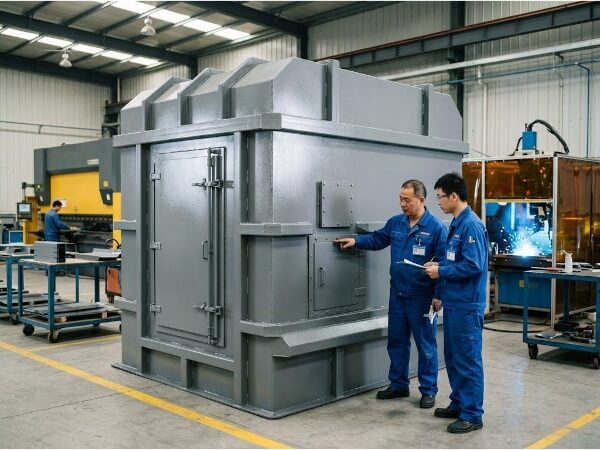
TIG and MIG welding processes selected according to structural and cosmetic requirements.
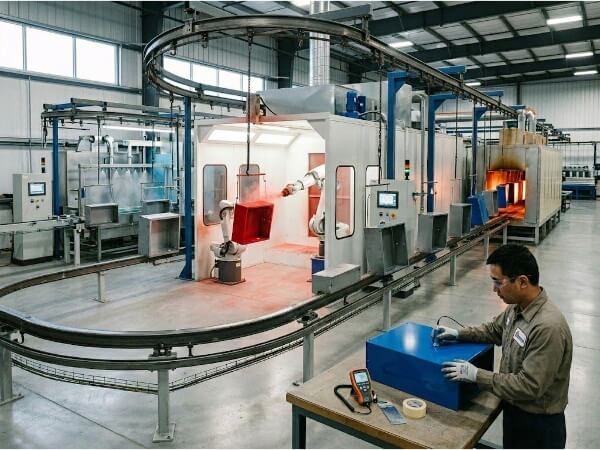
Powder coating, anodizing, and surface treatment processes matched to environmental and cosmetic requirements.
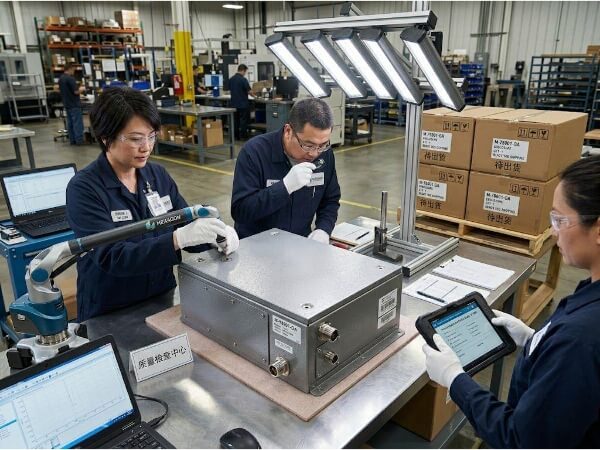
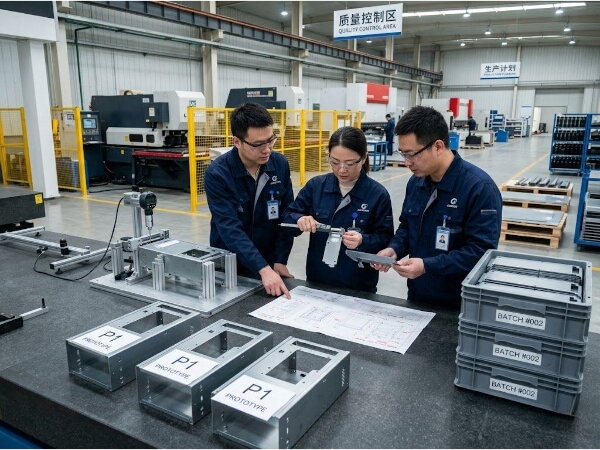
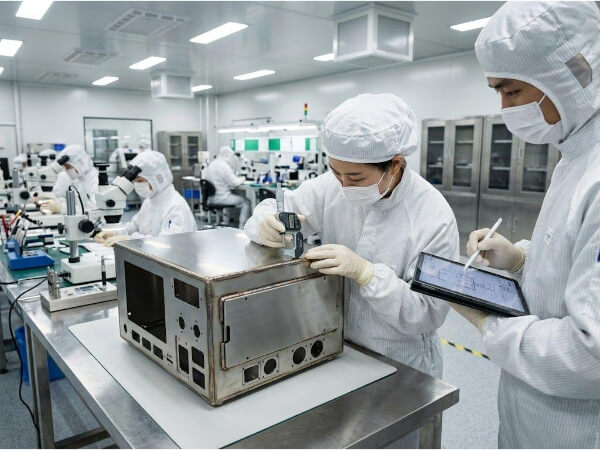
Final dimensional verification, cosmetic inspection, hardware verification, and packaging inspection before shipment.
More than fabrication support — engineering involvement focused on reducing production risk and improving manufacturing efficiency.
Engineering review of bend radius, assembly access, tolerance stack-up, hardware integration, and welding feasibility before production.
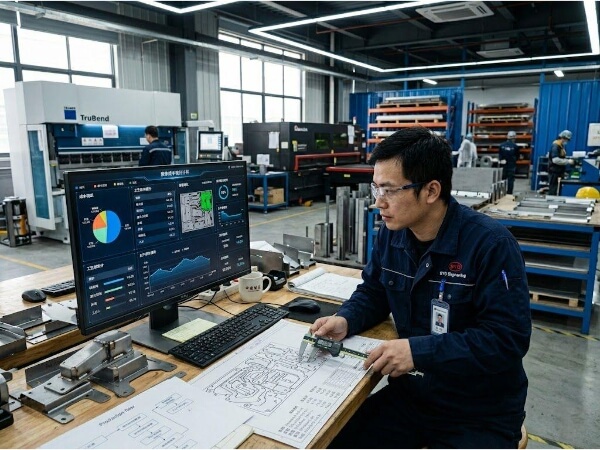
Process consistency and production planning support for smooth transition from prototype builds to stable batch manufacturing.
Suggestions for reducing unnecessary machining, minimizing material waste, simplifying welding structures, and improving assembly efficiency.
Recommendations focused on reducing assembly alignment issues, improving rigidity, and enhancing long-term product reliability.
Production experience supporting industrial equipment, outdoor systems, electronics, and precision assemblies.
STEP, STP, IGES, DWG, DXF, SolidWorks, and PDF drawings.
Yes. Manufacturing processes are structured to support prototype validation, pilot runs, and stable volume production.
Tolerance capability depends on material, geometry, and manufacturing process. Tight-tolerance fabrication support is available for precision assemblies.
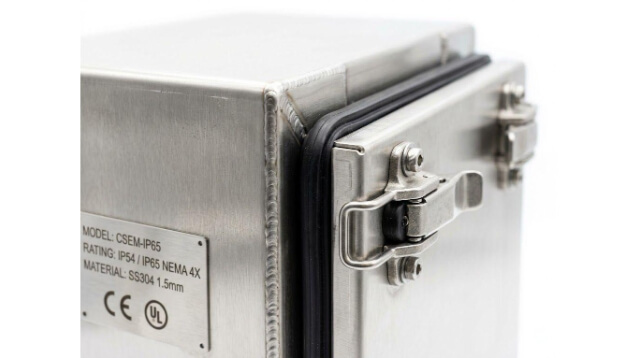
Yes. Waterproof structures can include gasket integration, welded seams, and IP-rated enclosure designs.
Yes. Engineering review is provided before production to improve manufacturability and reduce production risks.
Through fixture-controlled fabrication, first article inspection, in-process quality checks, and final dimensional verification.
Yes. Silk screen printing, laser engraving, labels, and custom marking options are supported.