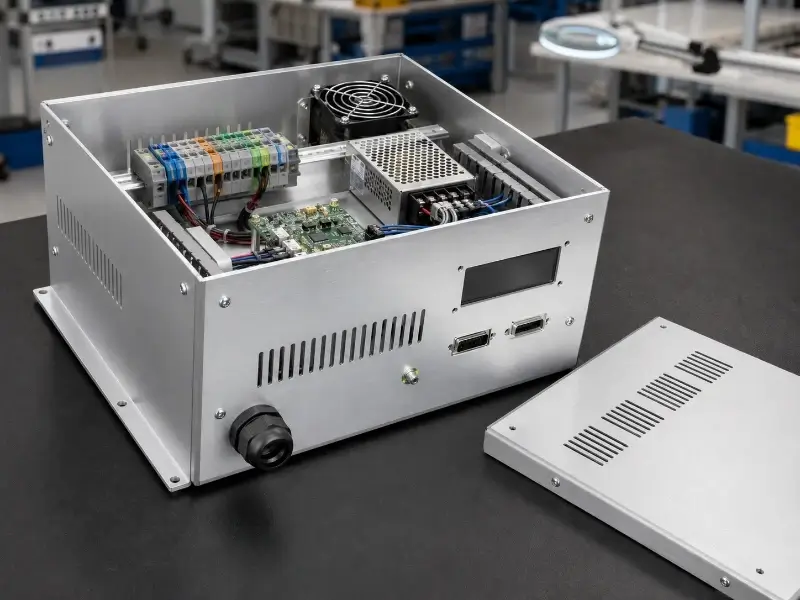
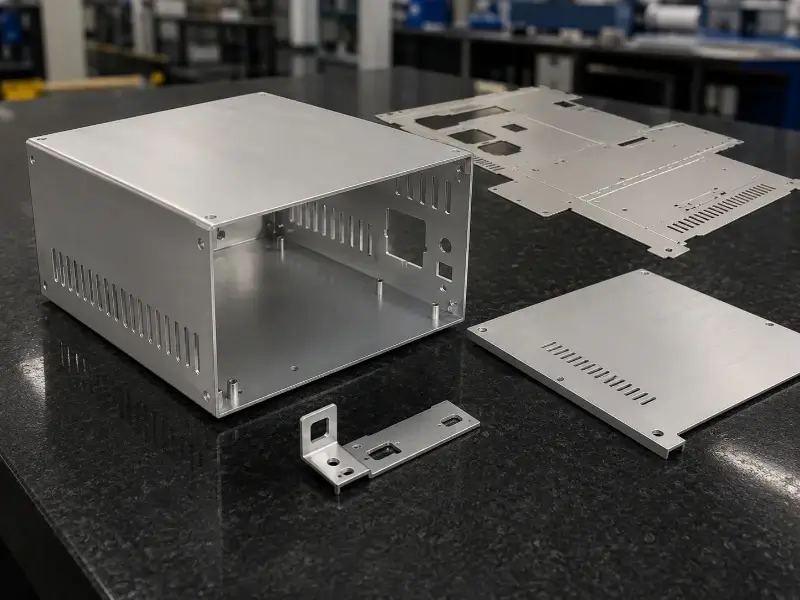
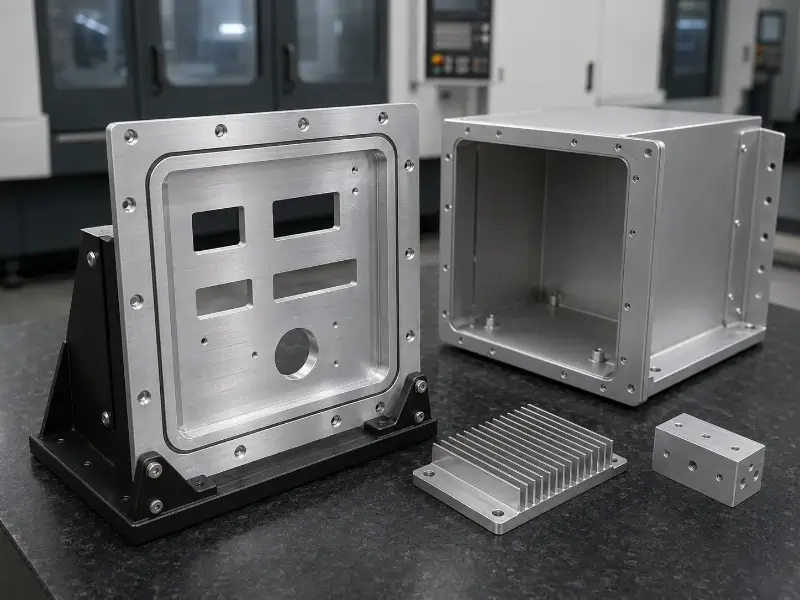
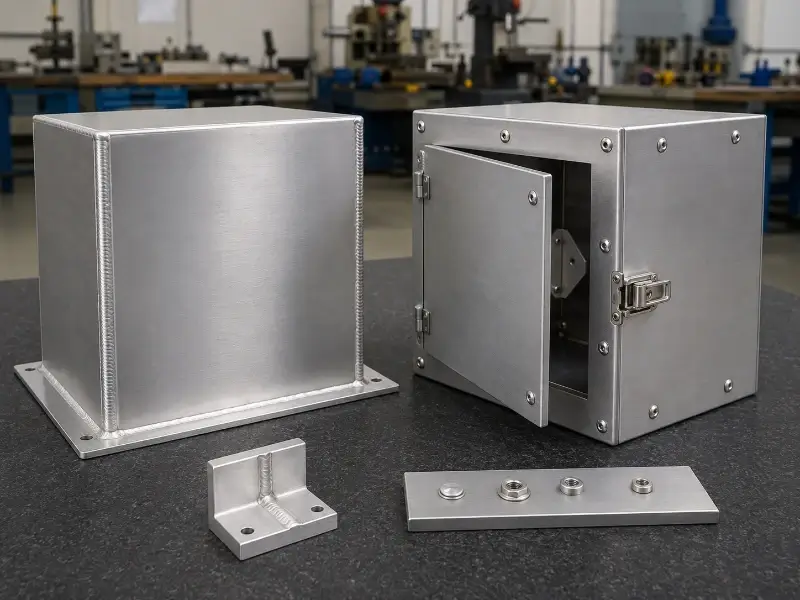
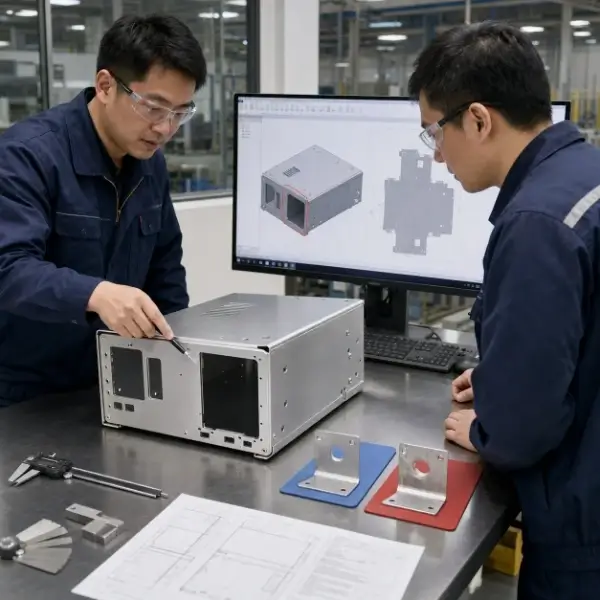
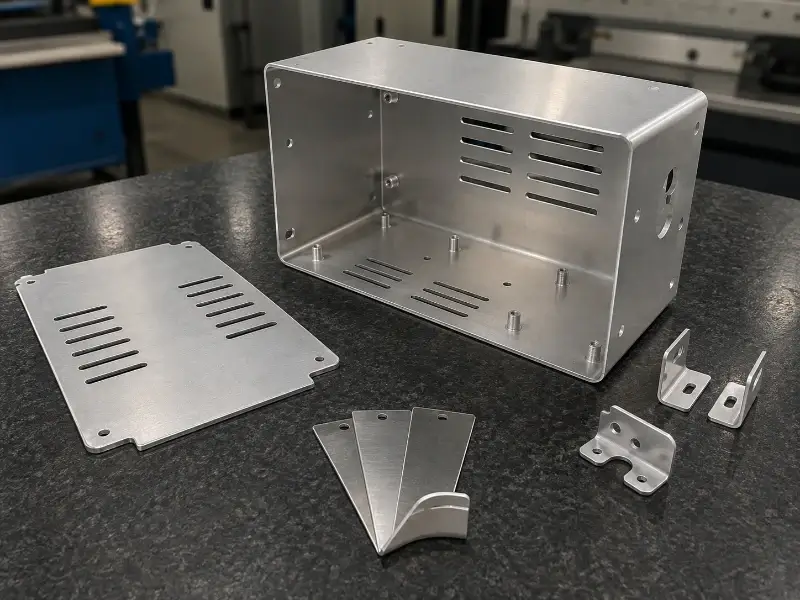
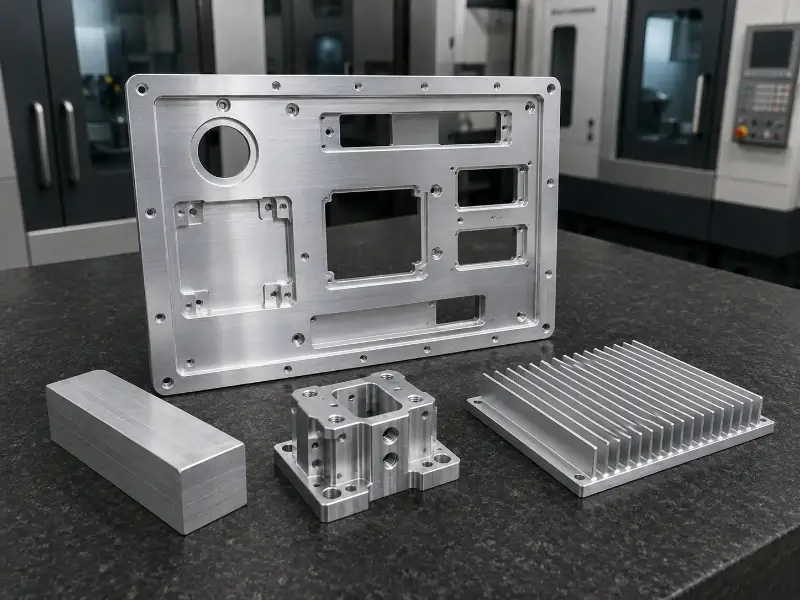
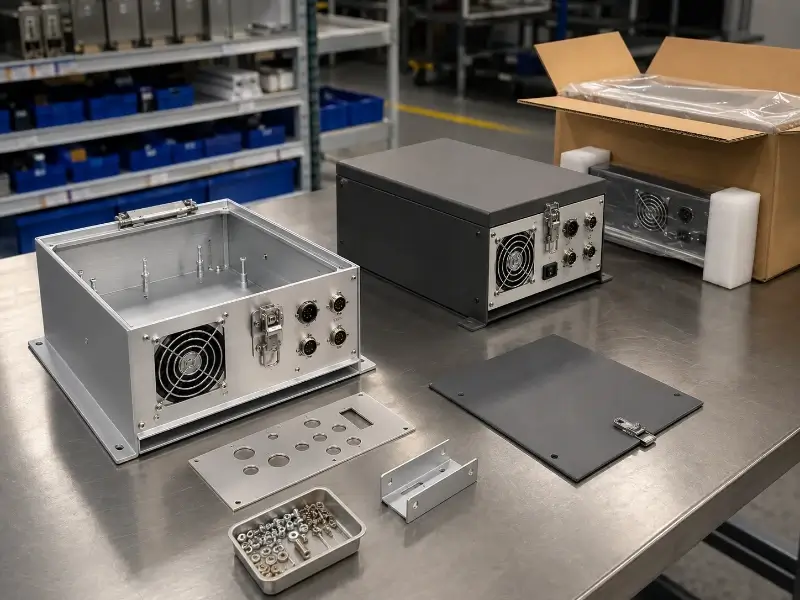
TZR manufactures custom aluminum enclosures from your drawings, CAD files, samples, and bills of materials. We support formed housings, machined panels, welded cabinets, removable covers, chassis, and assembled enclosure projects.
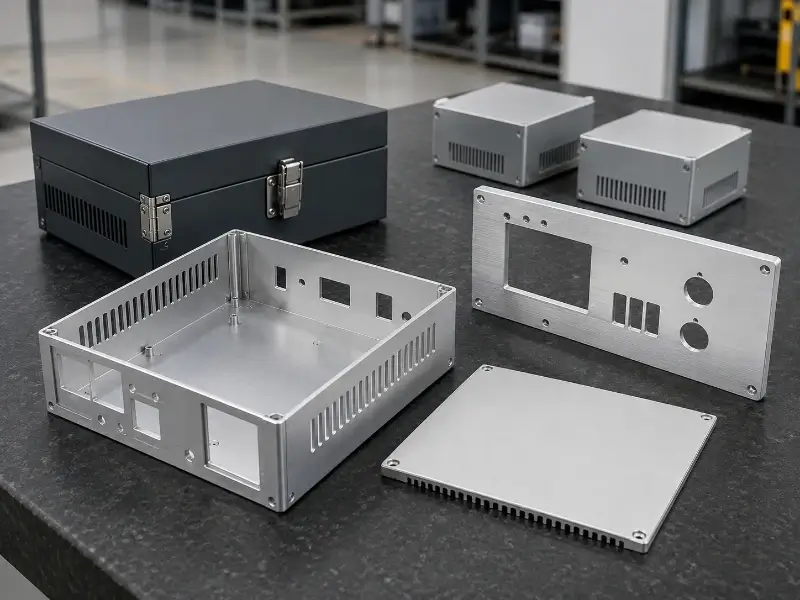
An enclosure must fit the components, connectors, cables, displays, fans, switches, and mounting hardware inside it. It may also need to manage cooling, grounding, service access, sealing, and appearance.
The right manufacturing route depends on the enclosure geometry, quantity, strength, tolerance, and appearance.
A hole placed too close to a bend can distort. A short flange may not fit the bending tool.
A long weld can pull a panel out of flatness. These problems are easier to correct in CAD than after production begins.
We clarify production risks before quoting or manufacturing. Drawing changes are not introduced without approval.
IP, NEMA, and EMI performance depends on the complete enclosure design, assembly, seals, joints, coatings, and validation.
The alloy affects forming, machining, welding, strength, and corrosion behavior. The finish affects appearance, electrical contact, thread fit, wear resistance, and sealing surfaces.
A common choice for bent boxes, covers, bracket, and welded housings because it offers good formability and corrosion resistance.
A common choice for machined panels and structural components. Temper and bend geometry must be reviewed when forming is required.
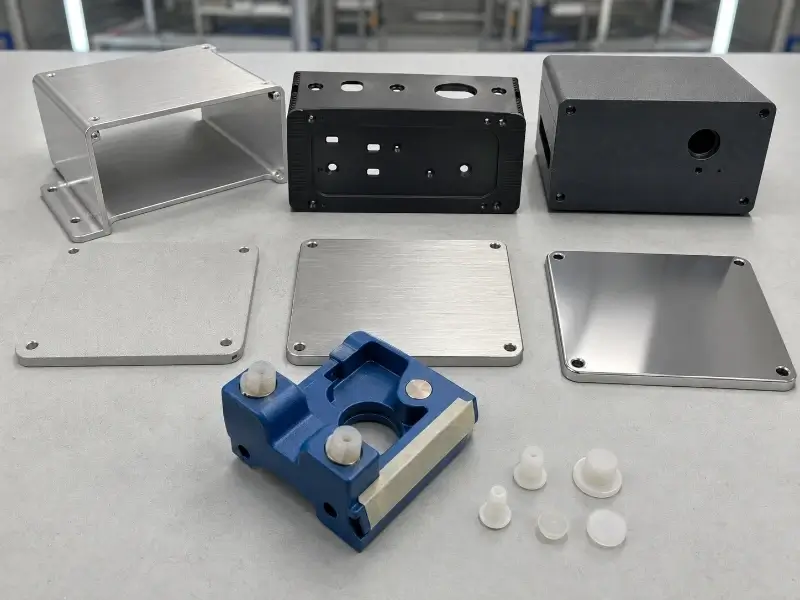
Choose anodizing, powder coating, painting, bead blasting, brushing, polishing, or natural mill finish to match the project.
Mask grounding points, threads, press-fit features, electrical contacts, and gasket surfaces where required.
Define color, texture, gloss, grain direction, cosmetic surfaces, and masking areas on the drawing.
An enclosure project may require laser cutting, bending, welding, machining, hardware insertion, deburring, finishing, assembly, and packaging.
Welding may affect flatness. Finishing may change hole size or cover threads. Some hardware must be installed before coating, while other components should be installed afterward.
We can install specified studs, nuts, standoffs, hinges, latches, handles, panels, and brackets. Packaging can be planned around cosmetic surfaces and export transportation.
One coordinated project reduces supplier handoffs and helps control fit, revisions, and surface protection.
The approved drawing, finish specification, and first article provide the standard for repeat production.
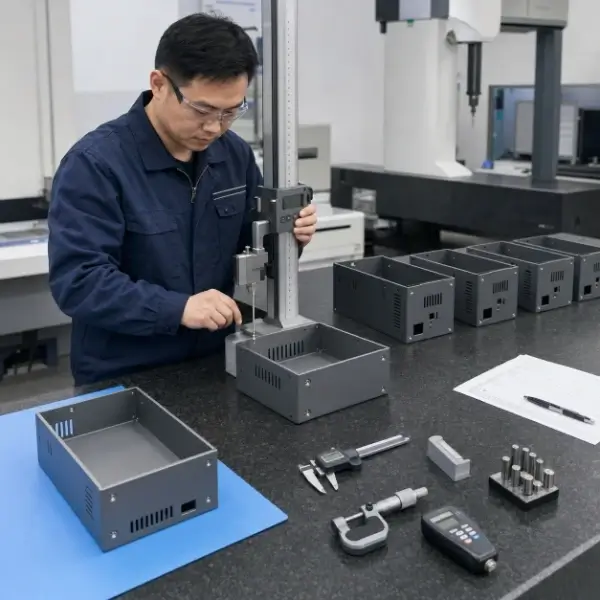
Check critical dimensions, hole locations, bend geometry, panel fit, hardware position, and assembly interfaces before repeat production.
Inspect coating coverage, color, texture, protected threads, grounding areas, hardware location, panel fit, hinge movement, and latch operation.
Future orders follow the approved drawing revision and acceptance requirements. Review any change that may affect fit, function, appearance, or cost.
Material certificates and inspection records can be supplied when defined during quotation.
 English
  Spanish
  German
  Russian
  Italian
  French