 Russian
  English
  Spanish
  German
  Italian
  French
Поверхность нержавеющей стали с отделкой 2B представляет собой гладкую холоднокатаную поверхность с матово-серым оттенком и показателем шероховатости Ra 0,1–0,5 мкм. Получаемая в результате финального полирующего проката, она является наиболее распространённым и экономичным исходным материалом для изготовления листовых изделий и промышленного оборудования.
Хотя вариант 2B является стандартным выбором благодаря своей естественной коррозионной стойкости и доступной цене, он представляет собой необработанное исходное сырье, а не безупречную поверхность для декоративных целей. Когда листы 2B в необработанном виде поступают на производственную площадку, такие производственные процессы, как лазерная резка, гибка на листогибочном прессе, сварка TIG и ручная обработка, неизбежно изменяют их окончательный внешний вид.
В данном руководстве не ограничиваются лишь базовыми определениями. В нём объясняется, в каких случаях применение отделки 2B целесообразно, а в каких — приводит к косметическим дефектам, а также подробно описывается, как инженерам следует указывать её на чертежах CAD, чтобы контролировать производственные затраты и избежать споров при приёмке продукции.
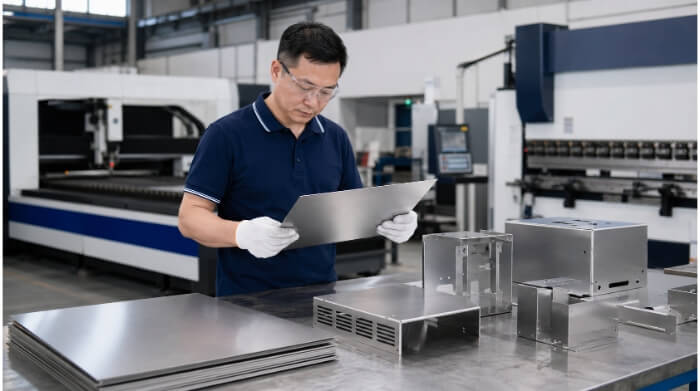
Что означает обозначение «2B Finish» на листах из нержавеющей стали?
В данном разделе описывается стандартный процесс фрезерования, в результате которого поверхность приобретает состояние 2B перед началом любых монтажных работ. Понимание того, как она получается, помогает объяснить, как она будет вести себя в мастерской.
Холодная прокатка
Процесс начинается с холодной прокатки листа из нержавеющей стали при комнатной температуре с целью уменьшения его толщины. Холодная прокатка уплотняет кристаллическую структуру металла, что приводит к небольшому повышению его механической прочности по сравнению с горячекатаной сталью. Кроме того, в результате получается более однородная и ровная поверхность.
Отжиг и травление
Холодная прокатка упрочняет металл, что затрудняет его последующее гибочное или формовочное обрабатывание. Чтобы восстановить пластичность стали для дальнейшей обработки, её подвергают отжигу (нагреву и охлаждению).
В результате этого процесса нагрева на поверхности образуется тёмная оксидная корка. При травлении эту корку удаляют с помощью кислотной ванны, в результате чего получается чистая матовая поверхность (так называемая «2D-поверхность»).
Skin Pass
Последним этапом является легкая прокатка между тщательно отполированными валками, которую часто называют «скин-пас» или «темпер-пас». Этот этап не приводит к значительному уменьшению толщины листа, но сглаживает микроскопические неровности поверхности.
Благодаря этому металл приобретает характерный гладкий, слегка отражающий свет серый вид, который и определяет отделку 2B.
Ra — шероховатость
Физическая гладкость поверхности с отделкой 2B обычно измеряется в единицах Ra (средняя шероховатость). Для нержавеющей стали с отделкой 2B значение Ra обычно колеблется от 0,1 до 0,5 микрометра (мкм) в зависимости от конкретного поставщика проката. Такая низкая шероховатость облегчает очистку поверхности и служит надёжной отправной точкой в случае необходимости дальнейшей механической полировки.
Обратите внимание, что внешний вид поверхности с отделкой 2B может незначительно варьироваться в зависимости от толщины материала. Например, лист толщиной 1,2 мм, как правило, имеет более гладкую и блестящую поверхность 2B, чем лист толщиной 3,0 мм, который, как правило, выглядит немного более матовым.
В каких случаях целесообразно использовать отделку 2B?
Поскольку 2B — это широко доступная и экономичная обработка «под фрезу», её пригодность в значительной степени зависит от конкретных эстетических и функциональных требований, предъявляемых к вашей детали.
Внутренние детали
Покрытие 2B хорошо подходит для внутренних кронштейнов, кожухов оборудования, электрических шкафов и несущих каркасов. В этих случаях эстетическая однородность не является строгим требованием.
Для этих деталей главными требованиями являются естественная прочность и коррозионная стойкость нержавеющей стали. Использование отделки 2B вместо матовой отделки № 4 позволяет исключить дополнительные этапы обработки, что при больших объемах производства становится значительно более экономически выгодным.
Видимые панели
При использовании стали марки 2B для наружных или хорошо заметных панелей следует проявлять осторожность. Хотя в виде плоских листов, поставляемых с завода, она выглядит аккуратно, в цеху трудно избежать следов обработки, обесцвечивания в местах сварки или царапин, полученных при транспортировке.
Если поверхность класса 2B поцарапана или на ней выполнена сварка, её невозможно идеально привести в исходное заводское состояние с помощью ручных инструментов. Если деталь находится на видном месте, матовая отделка (№ 4) обычно даёт более предсказуемый результат, поскольку операторы могут незаметно сгладить мелкие царапины.
Детали с покрытием
Поверхность с степенью шероховатости 2B служит оптимальной основой для последующих видов обработки поверхности, таких как порошковое покрытие или промышленная окраска мокрым способом. Микроскопическая шероховатость (Ra 0,1–0,5 мкм) обеспечивает превосходную механическую сцепку, позволяющую покрытию надежно прилипать к поверхности.
Поскольку деталь будет полностью покрыта, обычно нет необходимости доплачивать за более блестящие виды отделки, такие как BA (Bright Annealed), перед нанесением покрытия.
Гигиенические детали
В сфере общего оборудования для пищевой промышленности и производства напитков сталь марки 2B часто используется для изготовления бункеров, желобов и наружных корпусов оборудования. Она обеспечивает надёжную основу для соблюдения стандартных санитарных требований в случаях, когда прямой и постоянный контакт с пищевыми продуктами ограничен.
Однако в случае фармацевтического оборудования или высококачественного молочного оборудования микроскопические углубления поверхности 2B могут по-прежнему служить местом скопления бактерий или создавать препятствия для процессов очистки на месте (CIP). В таких случаях изготовленная деталь должна быть подвергнута электрополировке или механической полировке до значения Ra менее 0,4 мкм, чтобы соответствовать строгим гигиеническим стандартам.
Как обработка изменяет поверхность 2B?
В данном разделе описаны производственные процессы, которые могут повлиять на конечный внешний вид вашей детали. Понимание этих факторов помогает инженерам учитывать технологичность при проектировании и формировать реалистичные ожидания в отношении внешнего вида изделия.
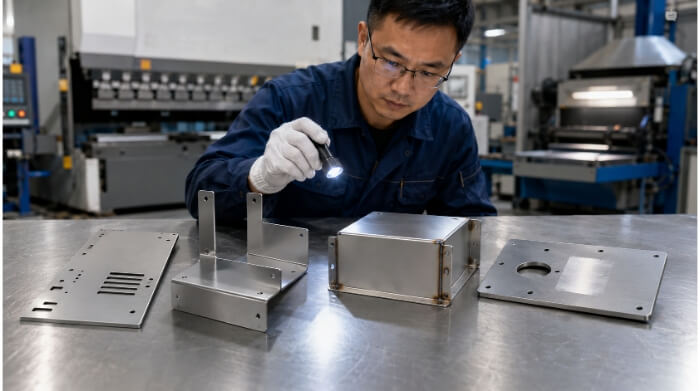
Лазерная резка
Лазерная резка использует интенсивное тепло для проплавления листа из нержавеющей стали. Хотя использование азота в качестве вспомогательного газа предотвращает окисление кромок, тепло всё же может вызвать небольшое изменение цвета непосредственно на кромке разреза.
Кроме того, если лист режется без защитной пленки, на поверхности 2B вблизи пропила могут оседать мелкие брызги или частицы испаренного металла. Эту пыль обычно можно стереть, но для этого требуется дополнительная ручная очистка в цехе.
Сгибание
При изготовлении деталей на листогибочном прессе для формовки металла используется сильное механическое давление. Когда нержавеющая сталь вдавливается в нижнюю V-образную матрицу, в результате трения вдоль линии сгиба часто остаются отчетливые блестящие царапины, которые ярко выделяются на фоне матовой поверхности с отделкой 2B.
Чтобы этого не произошло, в опытных мастерских используют не оставляющие следов уретановые матрицы или наклеивают защитную уретановую ленту на нижнюю часть инструмента. Это позволяет сохранить исходную поверхность 2B на видимых внешних изгибах.
Сварка
Сварка полностью разрушает покрытие 2B в этой области. Сварка TIG или MIG приводит к образованию зоны термического влияния (HAZ), на поверхности которой остается темный нагар, который необходимо удалить с помощью травильной пасты, в результате чего образуется матовый белесый налет.
Для оптимизации конструктивных решений с точки зрения технологичности (DFM) инженерам следует размещать сварные швы на скрытых внутренних стыках. В качестве альтернативы можно использовать сочетание скрытой точечной сварки и конструкционных клеев, что позволит полностью сохранить видимую внешнюю поверхность 2B в первозданном виде.
Шлифование
Когда необходимо выровнять сварной шов, операторы используют абразивные лепестковые диски, чтобы отшлифовать излишки материала до ровной поверхности. В результате такого механического шлифования остаются глубокие, направленные царапины.
Практически невозможно вручную отполировать отшлифованный шов так, чтобы он соответствовал необработанной поверхности с отделкой 2B. Отшлифованный участок всегда будет выглядеть как локальный участок с матовой поверхностью, что сделает его очень заметным на плоской панели.
Удаление заусенцев
Чтобы сгладить острые кромки после лазерной резки или перфорация, детали часто обрабатывают на автоматических машинах для удаления заусенцев или в вибрационных барабанах.
Хотя это делает деталь безопасной при обращении, при этом полностью меняется текстура её поверхности. Деталь, прошедшая обработку в барабанной машине до степени 2B, будет выглядеть равномерно матовой или покрытой хаотичными царапинами, утратив свой первоначальный фрезерный блеск.
Как контролировать риски, связанные с поверхностными покрытиями, и затраты?
В этом разделе объясняется, что покупатели должны уточнить до начала производства, чтобы избежать проблем с внешним видом продукции и скрытых затрат. Нечеткие требования к поверхности, как правило, приводят либо к браку деталей, либо к завышенным ценам в коммерческих предложениях.
Ограничения по скретч-картам
Указание требования «без царапин» для необработанной поверхности с отделкой 2B обязывает завод обращаться с деталью с особой осторожностью, что замедляет производство и сразу же приводит к увеличению цены, указанной в вашем предложении.
Вместо этого до начала серийного производства согласуйте с вашим производственным партнером физический «контрольный образец» (или граничный образец). Этот образец чётко определяет, какой уровень незначительных следов от инструментов является приемлемым, что позволяет избежать споров при контроле качества и снизить затраты.
Защитная пленка
Если поверхность 2B должна оставаться в идеальном состоянии, необходимо четко указать, что материал следует приобретать с защитной пленкой, предназначенной для лазерной обработки.
Очень важно отметить, что на заводе необходимо использовать специальную полиэтиленовую пленку, предназначенную для обработки волоконным лазером. Если использовать стандартную упаковочную пленку, интенсивное тепло лазера расплавит пластик, в результате чего он прочно прилипнет к нержавеющей стали и приведет к порче детали.
Управление партиями
Точный оттенок серого цвета и степень отражательной способности поверхности с отделкой 2B могут незначительно различаться в зависимости от сталелитейного завода или даже от партии продукции одного и того же завода.
Если вы монтируете несколько панелей 2B рядом друг с другом на большом станке, уточните, что весь материал для видимых панелей должен быть из одной партии завода, чтобы избежать появления несогласованного «лоскутного» вида.
Обращение
Голые руки оставляют отпечатки пальцев на поверхности 2B, а естественные жиры бывает трудно полностью удалить.
Если при поставке ваши детали должны иметь чистый внешний вид, на предприятии необходимо использовать чистые перчатки при проведении окончательного контроля и упаковки. Указав в запросе предложений фразу «требуется бережное обращение», вы обеспечите, что завод учтет этот процесс обработки.
Способ упаковки
Детали, вибрирующие и трущиеся друг о друга во время транспортировки, легко оцарапают поверхность с отделкой 2B.
Если внешний вид поверхности имеет значение, закажите оптовую упаковку с бумажными прокладками или пенопластовыми разделителями между отдельными деталями. Это повлечет за собой небольшую доплату за упаковку, но позволит избежать высокого процента брака при приемке.
Чем отделка 2B отличается от других видов отделки нержавеющей стали?
Данный раздел поможет читателям выбрать между отделкой 2B и другими распространенными видами отделки нержавеющей стали с учетом внешнего вида, стоимости и конкретных факторов, определяющих выбор.
BA (ярко отжиганая)
Поверхность BA более гладкая и значительно более отражающая, чем у 2B, при этом значение Ra обычно составляет от 0,05 до 0,1 мкм. При её изготовлении пропускается этап кислотного травления, в результате чего поверхность уже при выходе с прокатного стана имеет зеркальную гладкость.
Если для вашего конечного продукта требуется сложная гальваника или порошковое покрытие со сверхвысоким блеском, то доплата за BA в качестве исходного материала станет разумным вложением. Более гладкая поверхность значительно сокращает время предварительной обработки и затраты на химикаты.
№ 4 (с матовой поверхностью)
Вариант № 4 отличается короткими параллельными линиями полировки и является отраслевым стандартом для коммерческих кухонь и архитектурных элементов.
Оно отлично справляется с маскировкой отпечатков пальцев и мелких царапин, оставшихся в результате использования. Если ваш продукт представляет собой устройство, к которому часто прикасаются, например, ручка медицинской тележки или киоск самообслуживания, настоятельно рекомендуется перейти с варианта 2B на № 4, чтобы надолго сохранить чистый внешний вид.
Тонкая линия
Отделка «Hairline» похожа на № 4, но отличается длинными непрерывными полировальными линиями вместо коротких прерывистых.
Он отличается элегантным внешним видом премиум-класса и обычно используется в дизайне интерьеров высокого класса и в бытовой электронике. Как и № 4, он стоит дороже, чем 2B, и требует осторожного обращения, чтобы при сборке непрерывная текстура оставалась идеально выровненной.
Зеркальная полировка (№ 8)
Поверхность с отделкой № 8 подвергается механической полировке, в результате чего она приобретает высокую отражательную способность и напоминает стеклянное зеркало.
Оно используется исключительно для создания декоративных акцентов, в качестве отражателей и для изготовления стеновых панелей в чистых помещениях. Это самая дорогая стандартная отделка, которую сложнее всего поддерживать в чистоте, а любая царапина, оставшаяся на зеркальной поверхности в процессе обработки, обычно приводит к тому, что деталь приходится списать.
Как указать отделку 2B в запросах на предложение и чертежах?
В данном разделе приведены четкие пояснения, которые позволяют сократить количество производственных ошибок и споров при приемочной проверке. Неясные пояснения к чертежам являются наиболее распространенной причиной задержек в сроках выполнения работ и непредвиденных затрат в производство листового металла.
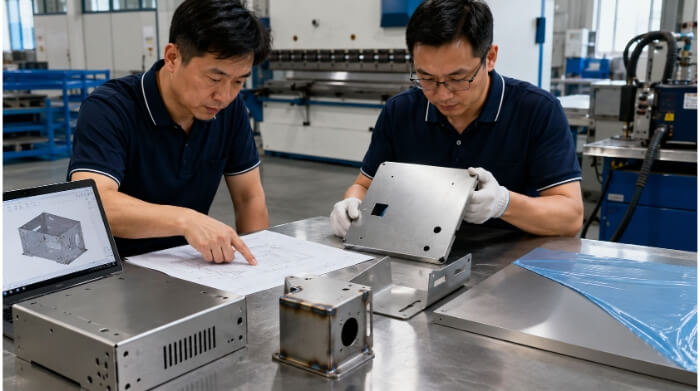
Класс материала
2B — это вид поверхности, а не тип металла. Наряду с типом поверхности необходимо указать точный сплав нержавеющей стали. Обычно используются сплавы SUS304 или SUS316L. Различные сплавы по-разному реагируют на процесс холодной прокатки, поэтому лист 304 2B может выглядеть немного иначе, чем лист 316L 2B.
Толщина
Толщина металла напрямую влияет на конечный вид поверхности с отделкой 2B. Более тонкие листы (толщиной менее 1,5 мм) обычно подвергаются более сильному давлению на этапах холодной прокатки и финишной прокатки, что приводит к получению более гладкой и слегка более отражающей поверхности. Если вы сопоставляете панель толщиной 1,2 мм с кронштейном толщиной 3,0 мм, имейте в виду, что они не будут выглядеть одинаково.
Видимая сторона
Детали из листового металла имеют две стороны, но, как правило, только одна из них видна конечному пользователю. Чётко обозначьте внешнюю сторону как «сторона A» на вашем чертеже в системе CAD. Это даст понять производственному цеху, на какую сторону необходимо наклеить защитную плёнку, а также определит, как оператор гибочного пресса должен расположить деталь во время гибки, чтобы следы от матрицы остались на внутренней стороне.
Направление волокон и изгиб
Несмотря на то что листы с отделкой 2B не имеют такого заметного матового рисунка поверхности, как у листов № 4, у холоднокатаных листов всё же присутствует едва заметный структурный рисунок. Если вы проектируете детали с малым радиусом изгиба из более толстых листов 2B, укажите на чертеже, что изгибы должны проходить перпендикулярно направлению прокатки. Это позволит предотвратить появление микроскопических трещин на поверхности вдоль линии изгиба.
Качество сварного шва
Ни в коем случае не указывайте на чертеже детали 2B просто «Сварка». Необходимо указать, что будет происходить после сварки. Укажите, следует ли цеху «оставить в сварном состоянии и провести пассивацию кислотой для удаления термического окрашивания» (дешевле, оставляет видимый шов) или «зашлифовать до уровня поверхности» (дороже, разрушает локальную отделку 2B).
Утверждение образца
Бумажные чертежи и цифровые файлы в формате PDF не позволяют в полной мере учесть визуальные ожидания. При серийном производстве всегда следует добавлять примечание с требованием утверждения физического контрольного образца. Это гарантирует, что инженерная команда и производственный персонал достигнут единого понимания того, что считается приемлемой поверхностью 2B и допустимыми следами от манипуляций, до начала массового производства.
Рекомендации по черчению
Вместо того чтобы оставлять неясные записки вроде «Завершение: 2B, придать сварным швам аккуратный вид», что, как правило, приводит к завышенным ценам в коммерческих предложениях или отклонению деталей, скопируйте и вставьте этот стандартный блок примечаний в ваши чертежи изготовления. Адаптируйте детали в соответствии с требованиями вашего проекта:
- Материал: SUS304
- Толщина: 1,5 мм
- Завершение: 2B
- Видимая сторона: Сторона А (наружная поверхность)
- Защита: На лицевой стороне (A-side) требуется лазерная пленка PE
- Зона сварки: Сварка методом TIG, пассивация кислотой (не шлифовать)
- Контроль качества: Перед запуском серийного производства необходимо провести испытания образцов на пределы физических характеристик
Заключение
Покрытие 2B является основным решением в отрасли производства нержавеющей стали. Оно представляет собой экономически выгодную и коррозионно-стойкую исходную основу для конструкционных элементов, внутренних кронштейнов и корпусов оборудования. Кроме того, оно служит отличной механической основой для последующей окраски и нанесения порошкового покрытия.
Однако невозможность его ремонта делает его рискованным выбором для внешних панелей, от которых в первую очередь требуется эстетичный вид, если не будут введены строгие процедуры обращения и защиты. Понимая, как такие производственные процессы, как гибка и сварка, влияют на заводскую отделку, инженеры могут разрабатывать детали, более пригодные для производства, и избегать ненужных производственных затрат.
В компании TZR наша команда инженеров не просто слепо следует чертежам — мы выявляем потенциальные проблемы с внешним видом изделия ещё до начала резки металла. Пришлите нам свои файлы CAD для проведения объективной оценки технологичности, и мы поможем вам определить, является ли вариант 2B оптимальным соотношением стоимости и характеристик для вашей конкретной задачи.
Вопросы и ответы
Является ли отделка 2B более дешевой, чем матовая (№ 4) нержавеющая сталь?
Да. Поскольку поверхность 2B представляет собой необработанную поверхность, полученную непосредственно на сталелитейном заводе, это позволяет избежать дополнительных трудозатрат, времени работы оборудования и затрат на абразивные ленты, необходимых для механической полировки листа до матовой поверхности № 4. При производстве функциональных деталей в больших объемах выбор поверхности 2B обеспечивает немедленную экономию затрат на материал.
У отделки 2B блестящая поверхность?
Нет. Поверхность с отделкой 2B имеет гладкий матовый серый вид. Хотя она и отражает некоторое количество света благодаря заключительной прокатке в состоянии отпущенной стали на сталелитейном заводе, она не является зеркальной или сильно отражающей поверхностью, как в случае с отделкой BA (Bright Annealed).
2B — это то же самое, что матовая нержавеющая сталь?
Нет. Поверхность класса 2B отличается гладкостью и однородностью, которые обеспечиваются на заводе с помощью тяжелых стальных валков. Матовая нержавеющая сталь (поверхность класса № 4) получается механическим способом путем шлифования металла абразивными лентами, в результате чего на поверхности остаются отчетливые непрерывные царапины, ориентированные в одном направлении.
Можно ли сваривать нержавеющую сталь марки 2B?
Да. Нержавеющая сталь 2B легко сваривается с использованием стандартных методов сварки TIG, MIG или лазерной сварки. Однако под воздействием высокой температуры вокруг сварного шва образуется темное окислительное кольцо, которое необходимо удалить химическим способом. Если зашлифовать сварной шов до ровного состояния, механическая шлифовка навсегда уничтожит поверхностную обработку 2B в этой области.
Можно ли устранить царапины на поверхности с отделкой 2B?
Практически нет. Поскольку поверхность класса 2B создается с помощью тяжелых промышленных вальцов под огромным давлением на сталелитейном заводе, воспроизвести именно такую текстуру с помощью ручных инструментов в цехе механической обработки невозможно. Глубокие царапины обычно вынуждают цех либо списать деталь, либо отшлифовать всю поверхность до класса № 4.
Подходит ли 2B для панелей, видимых снаружи?
Она хорошо подходит для промышленного оборудования, корпусов систем отопления, вентиляции и кондиционирования воздуха, а также сельскохозяйственной техники, где функциональность превалирует над безупречной эстетикой. В случае высококачественной бытовой техники или архитектурных панелей от отделки 2B обычно отказываются в пользу матовой отделки № 4 или отделки «Hairline», которые лучше скрывают отпечатки пальцев и позволяют легче устранять царапины.