
 English
 Spanish
 German
 Russian
 Italian
 French
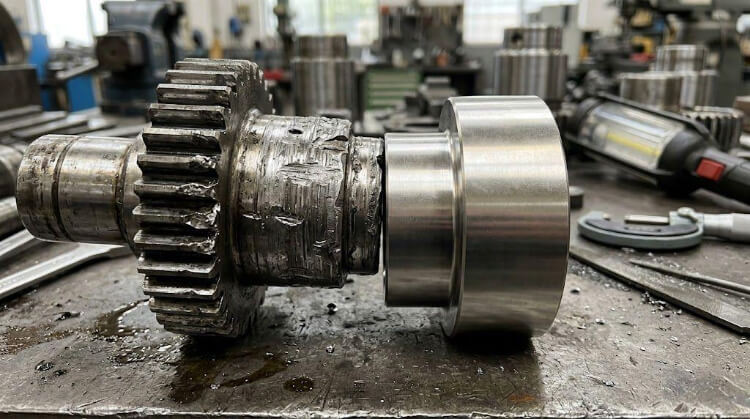
Nickel Plating Stainless Steel: Process, Adhesion Risks and Design Rules
Stainless steel is inherently corrosion-resistant. Plating it is a calculated engineering decision to alter surface mechanics, not a rust-prevention measure.
Stainless steel is inherently corrosion-resistant. Plating it is a calculated engineering decision to alter surface mechanics, not a rust-prevention measure.
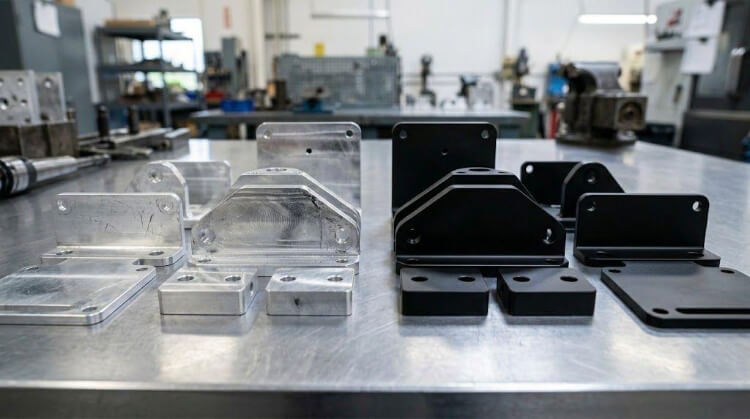
Anodized aluminum is created via an electrochemical process that converts the metal’s surface into a durable, non-conductive oxide layer. Integrated directly into the substrate, it cannot chip or peel, maximizing surface hardness and corrosion resistance while preserving tight dimensional tolerances.
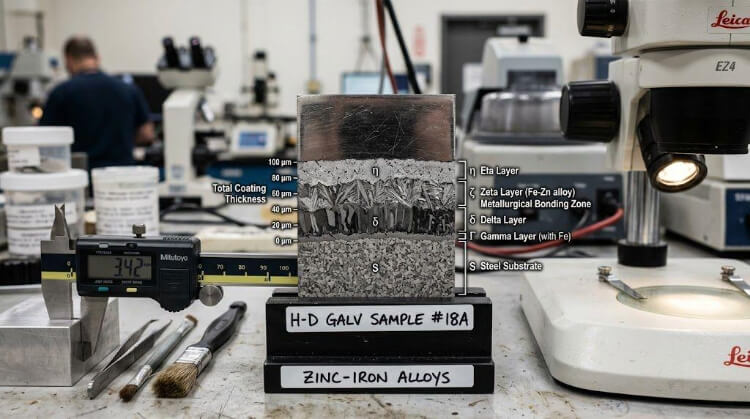
Hot-dip galvanizing (HDG) is a heavy-duty industrial coating process that protects iron and steel from corrosion by immersing the metal in molten zinc at approximately 450°C (842°F). Unlike superficial surface coatings, HDG creates a metallurgically bonded zinc-iron alloy layer.
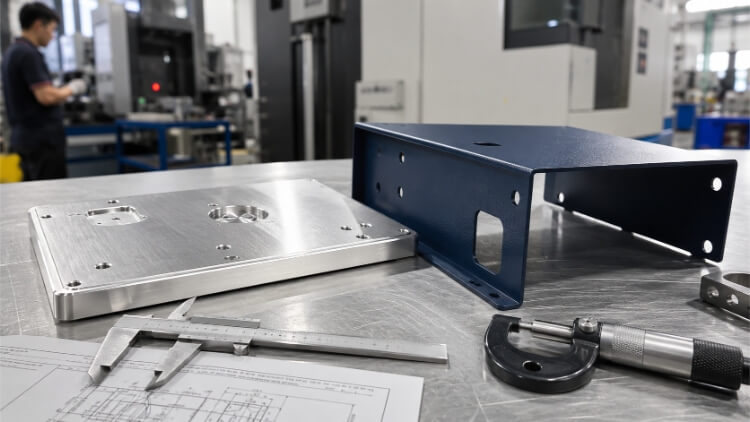
Anodizing is an electrochemical process that forms a hard oxide layer on aluminum. It keeps a thin metallic finish and works well for precision parts, wear resistance, and tight assembly needs. Powder coating adds a cured coating layer on the metal surface. It offers wider color and texture options, better surface coverage, and is often used for sheet metal enclosures, brackets, and outdoor parts.
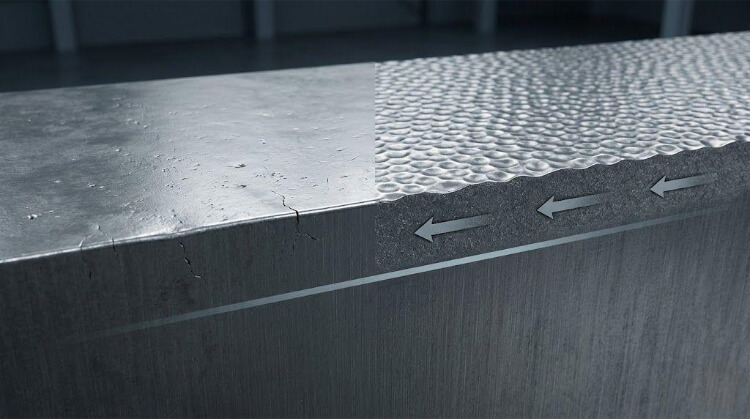
Shot peening is a cold-working process that improves fatigue life by striking the surface with small, round shot. These impacts induce controlled plastic deformation and form a compressive residual-stress layer. This layer helps slow crack growth and makes parts such as gears, springs, and shafts more durable.
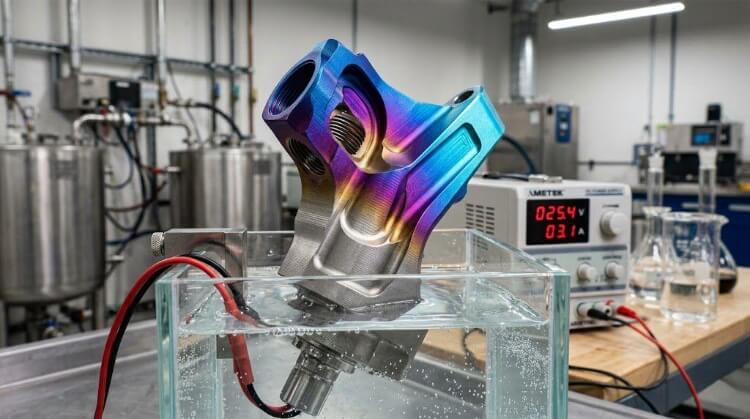
Titanium anodizing is an electrochemical process that thickens the natural oxide layer on titanium to create color through light interference, not dyes. It is used to improve surface identification, corrosion resistance, wear behavior, and appearance on medical, aerospace, industrial, and consumer titanium parts.
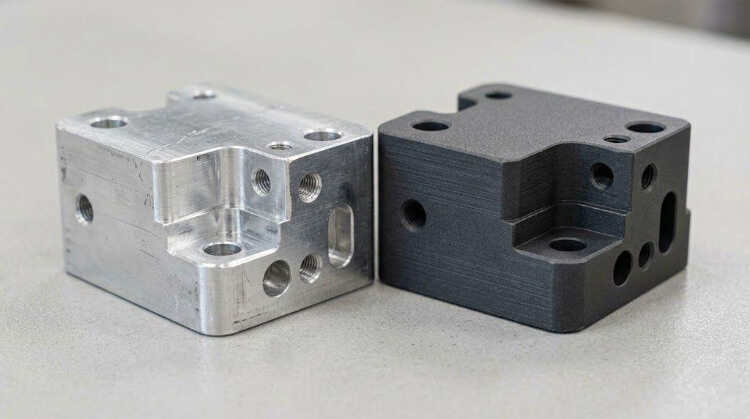
Hard coat anodizing, or Type III anodizing, is an electrochemical process that converts the surface of aluminum into a thick, dense oxide layer. It is used to increase surface hardness, wear resistance, corrosion resistance, and electrical insulation, and it is typically thicker and more durable than standard Type II anodizing.
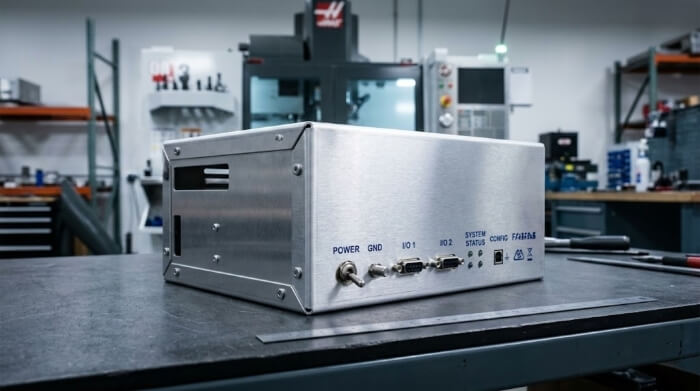
Silk screen printing on metal is a process that transfers ink onto a metal surface through a mesh screen. It
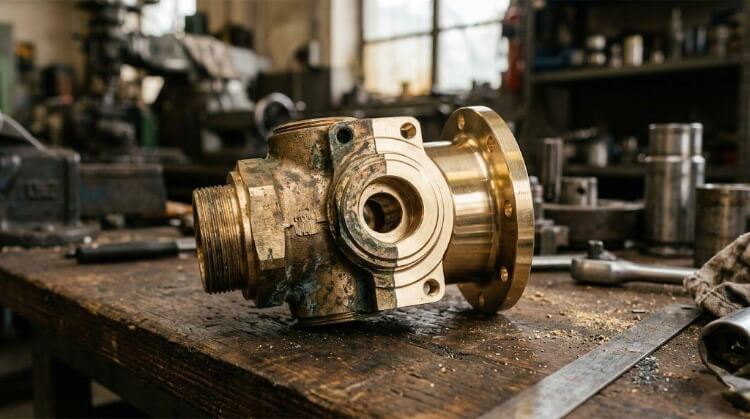
In custom manufacturing, choosing a brass finish is not only about appearance. It is also an engineering decision. The finish
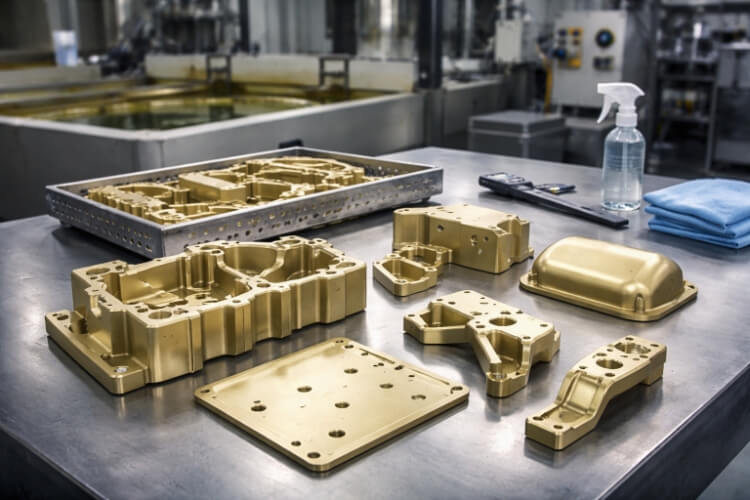
Alodine coating is used on aluminum parts that need surface protection without adding a heavier finish. It is common on
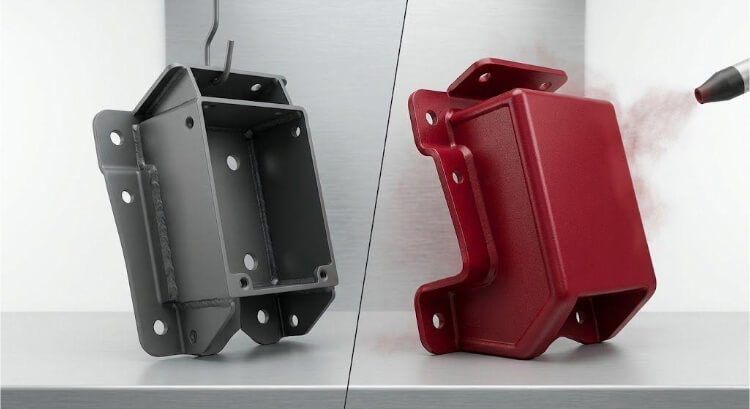
E-coating is a common finishing method for metal parts that need better corrosion resistance and more even coverage. Many buyers
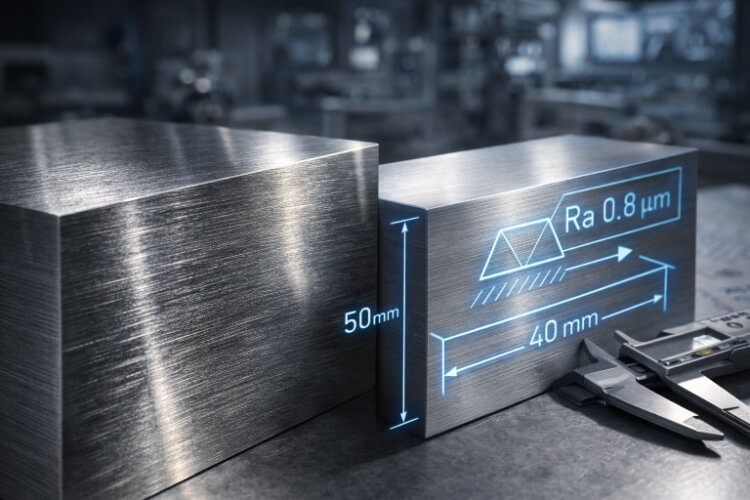
Look at the bezel of a high-end watch or the front panel of a premium refrigerator. Chances are, you aren’t