Electro-Galvanized vs. Hot-Dip Galvanized: Practical Guide

Finishing

Before Coating and After Fabrication

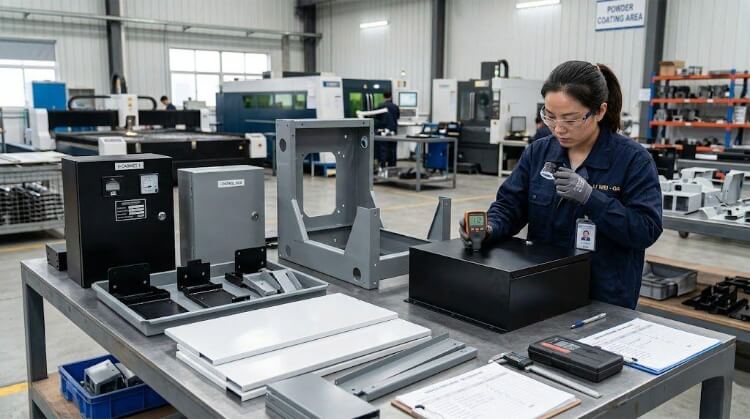
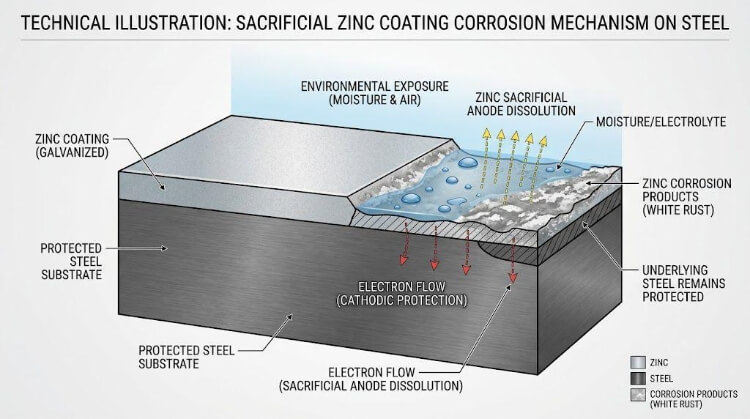
Electro-Galvanized vs. Hot-Dip Galvanized: Practical Guide

The main difference between hot-dip and electro-galvanizing is coating thickness and application. Hot-dip galvanizing immerses steel in molten zinc for a thick, weather-resistant layer. Electro-galvanizing uses an electrical current to deposit a thin, smooth zinc layer, ideal for tight-tolerance, indoor precision parts.

Read More »
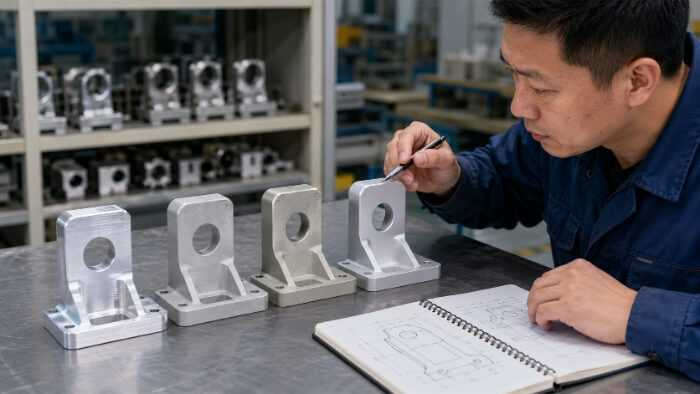
Two Engineers Comparing Surface Finishes at a Workbench

Electropolishing vs Mechanical Polishing for Metal Parts

Mechanical polishing uses abrasive friction to physically cut metal, making it ideal for leveling heavy weld seams. Electropolishing uses an electrochemical bath to dissolve microscopic peaks, producing an ultraclean, highly corrosion-resistant finish without embedding abrasive debris into the surface.

Read More »
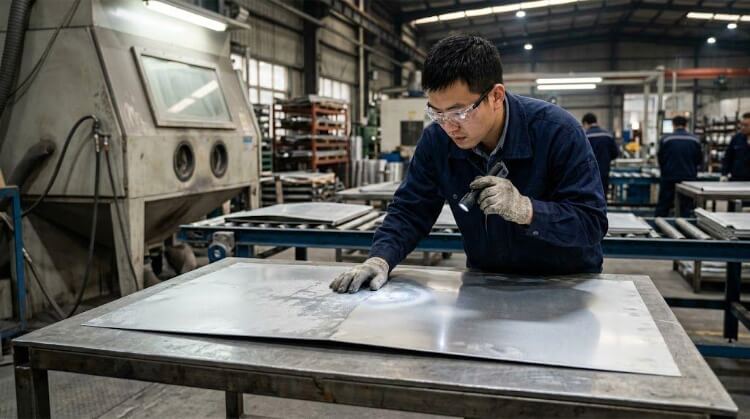
2B Stainless Steel Fabrication

Stainless Steel 2B Finish: Specs, Risks & Costs

A stainless steel 2B finish is a smooth, cold-rolled mill finish with a matte grey appearance and an Ra roughness of 0.1–0.5 µm. Created via a final polished skin pass, it is the most common and cost-effective base material for sheet metal fabrication and industrial equipment.

Read More »
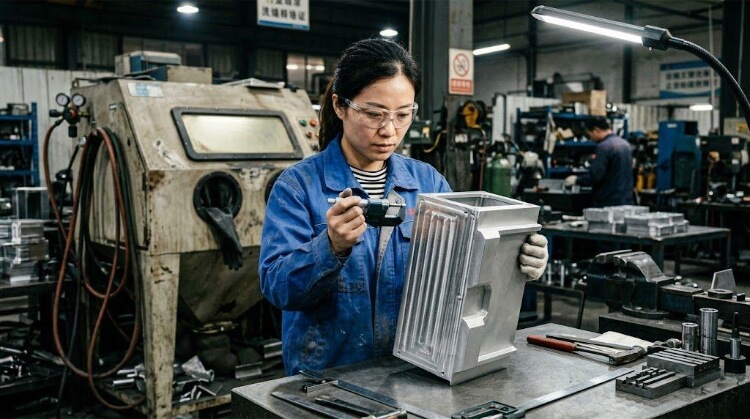
Why Aluminum Sandblasting Needs Control

Aluminum Sandblasting: Media & Process Control

Sandblasting aluminum cleans or finishes the soft metal using low pressure and non-metallic media like glass beads or aluminum oxide to prevent warping. This process prepares the surface for coating or creates a uniform matte finish, requiring immediate sealing or anodizing to prevent rapid oxidation.

Read More »
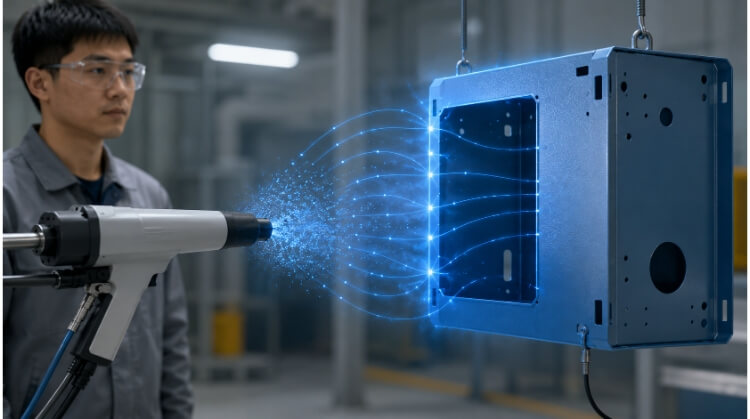
How Electrostatic Painting Works

Electrostatic Painting: Process, Tolerances & Costs

Electrostatic painting is a highly efficient metal coating process that uses an electric charge to attract atomized paint particles to a grounded metal surface. This creates a 360-degree “wrap-around” effect, ensuring a uniform, corrosion-resistant finish on complex parts while maximizing transfer efficiency and virtually eliminating overspray waste.

Read More »
Surface Treatment Decisions in Real Manufacturing

Sandblasting vs Bead Blasting: Finish, Cost & Tolerances

Sandblasting uses highly abrasive angular media to aggressively etch metal, making it ideal for rust removal and ensuring thick coating adhesion. Conversely, bead blasting uses spherical glass beads for a non-destructive peening action, providing a satin cosmetic finish that completely protects precision machining tolerances.

Read More »
Surface Failure Problems in Metal Blasting Process

Aluminum Oxide Sandblasting: Grit, PSI & Process Control

Sandblasting with aluminum oxide is a premium, high-efficiency surface profiling method. Leveraging its exceptional hardness and sharp-edged geometry, it rapidly eliminates mill scale, oxide layers, and tough coatings, creating an optimal micro-roughness profile that guarantees maximum mechanical adhesion for subsequent anodizing or powder coating.

Read More »
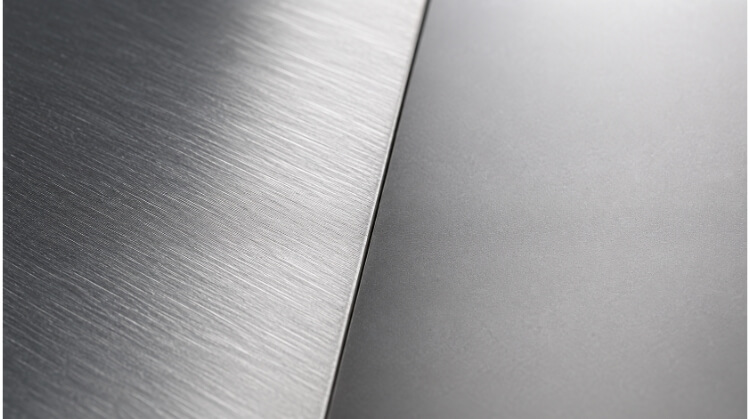
Material vs Surface Finish in Stainless Steel

Brushed Stainless Steel Vs Stainless Steel: Cost & Specs

Stainless steel represents the foundational, corrosion-resistant alloy family. In contrast, brushed stainless steel is processed through abrasive belts to create a non-reflective, textured patina. This specialized finish eliminates glare, hides wear-and-tear, and reduces maintenance costs compared to standard smooth or reflective finishes.

Read More »
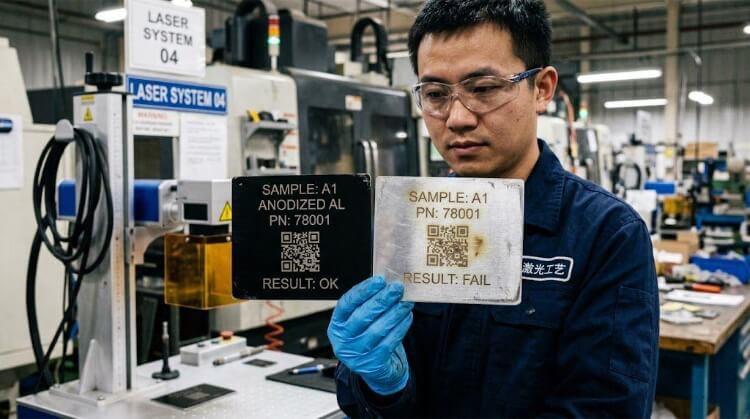
Bare vs Anodized Aluminum Marking Results

Laser Marking Aluminum: Alloys, Defects & Cost Control

Laser marking aluminum is a non-contact, permanent surface texturing process engineered for high-contrast serialization and branding. It offers exceptional processing speeds and zero consumable costs, creating durable, fade-resistant identifiers on raw or surface-treated aluminum without inducing structural stress.

Read More »

Get in Touch with Us

Drag & Drop Files, Choose Files to Upload