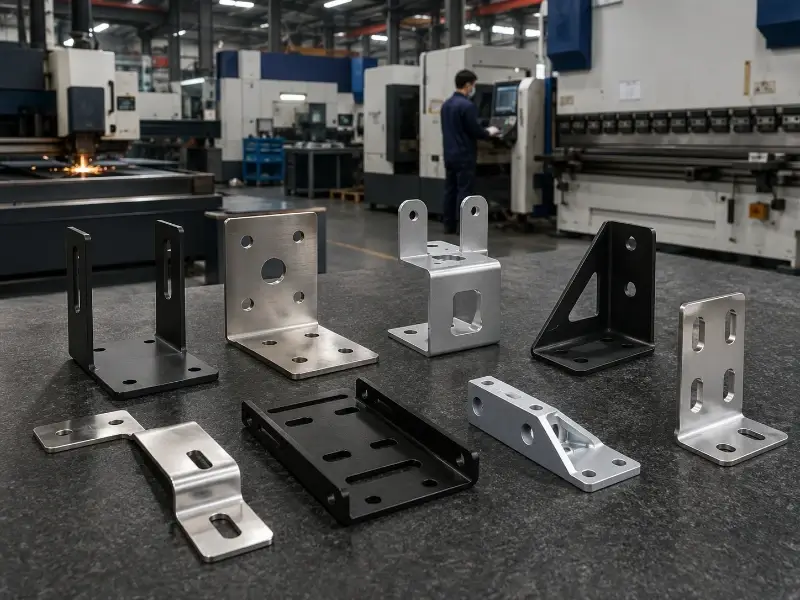
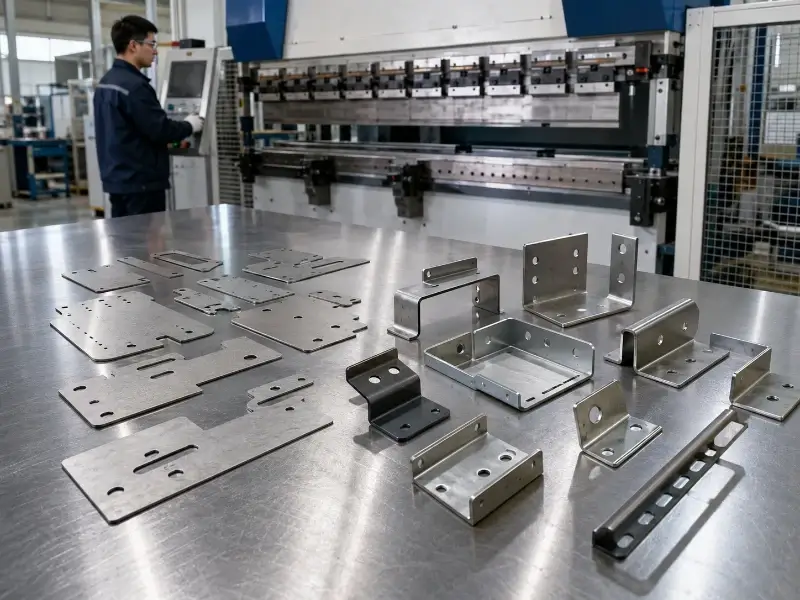
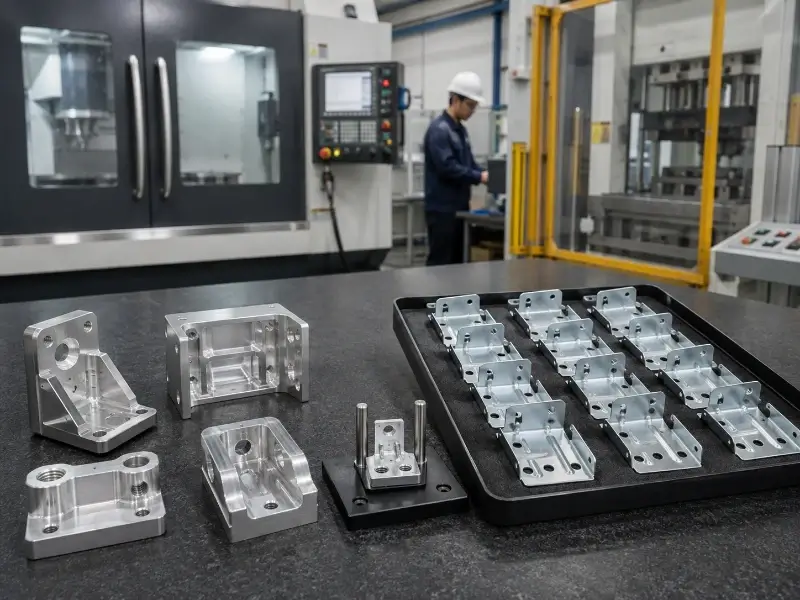
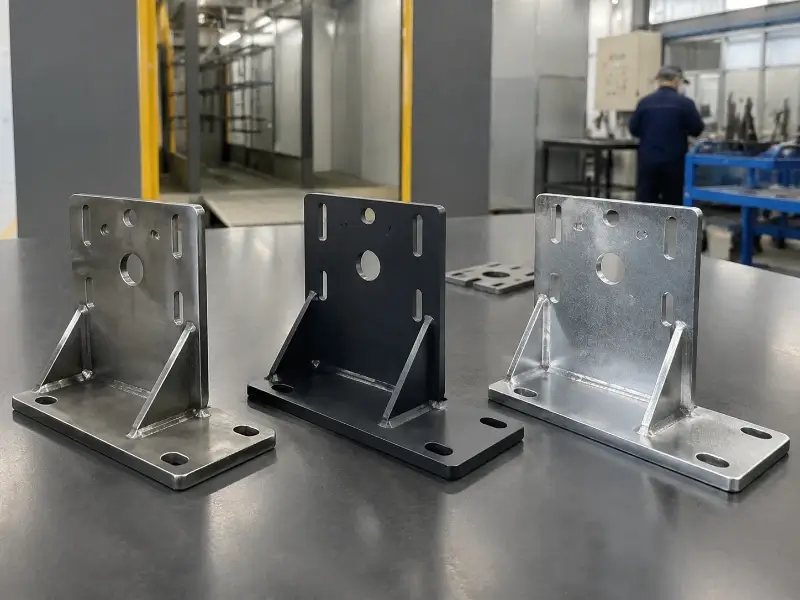
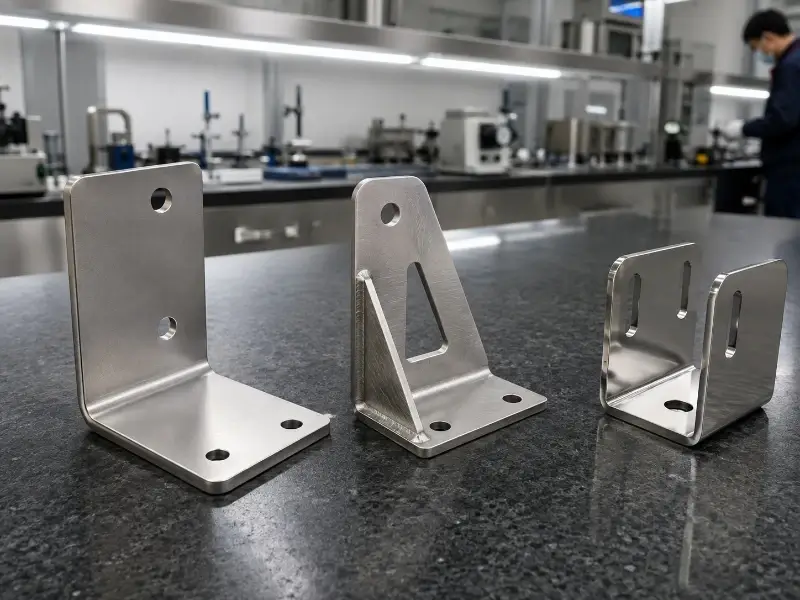
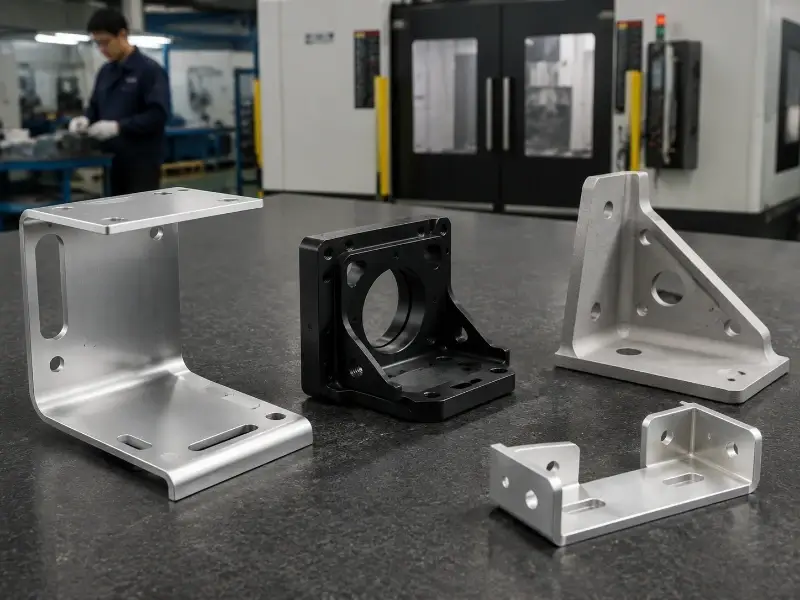
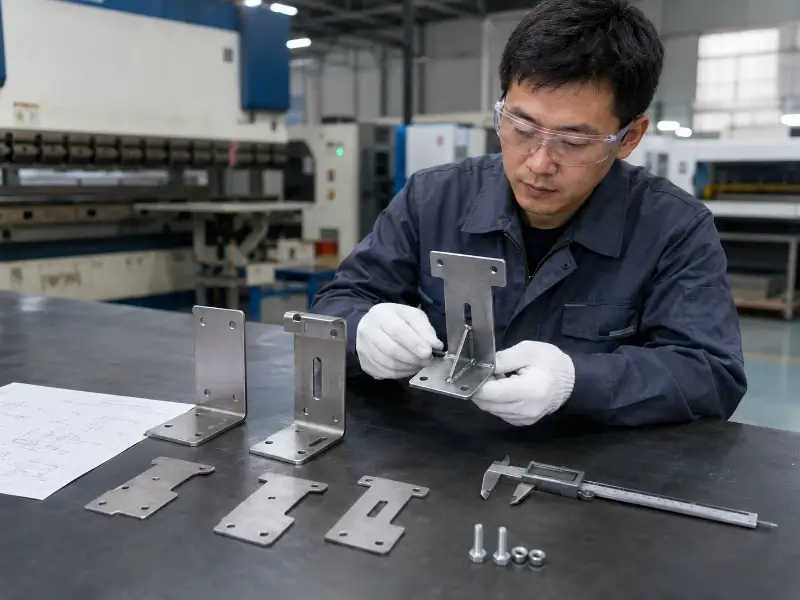
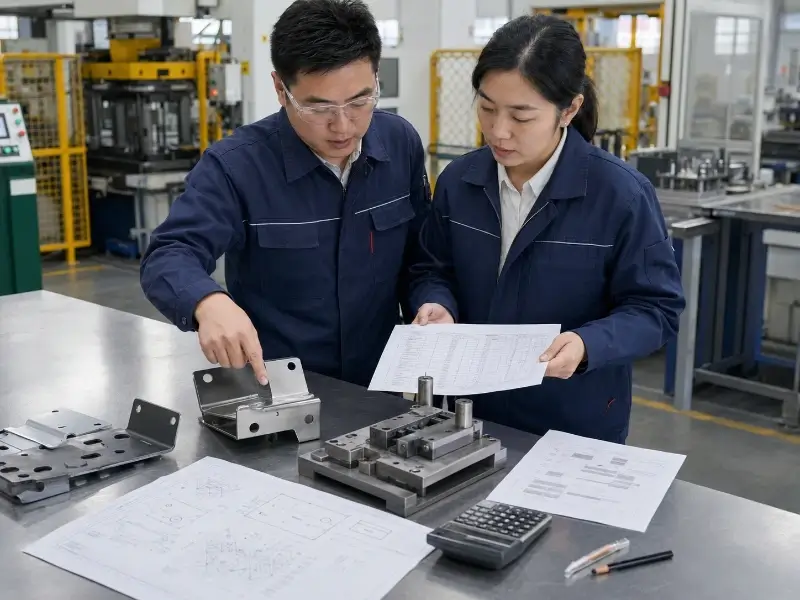
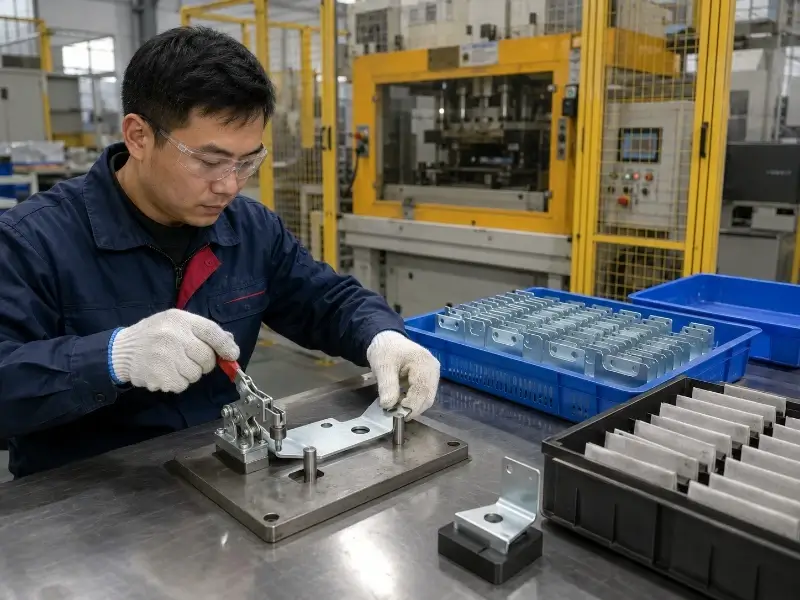
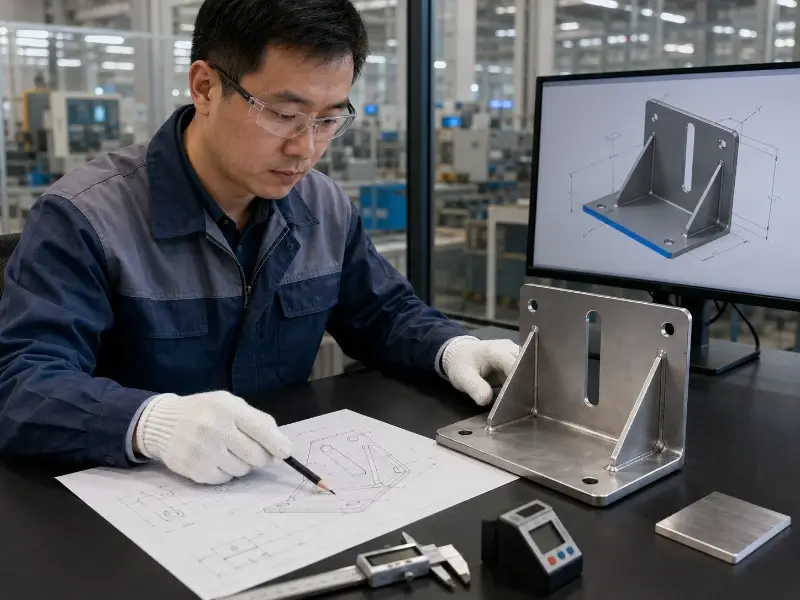
TZR manufactures build-to-print mounting brackets for industrial machinery, factory automation, electrical equipment, electronics, and commercial products.
We support prototypes, low-volume orders, bridge production, and repeat manufacturing.
Mounting brackets often control the position of motors, sensors, panels, enclosures, cables, and other components.
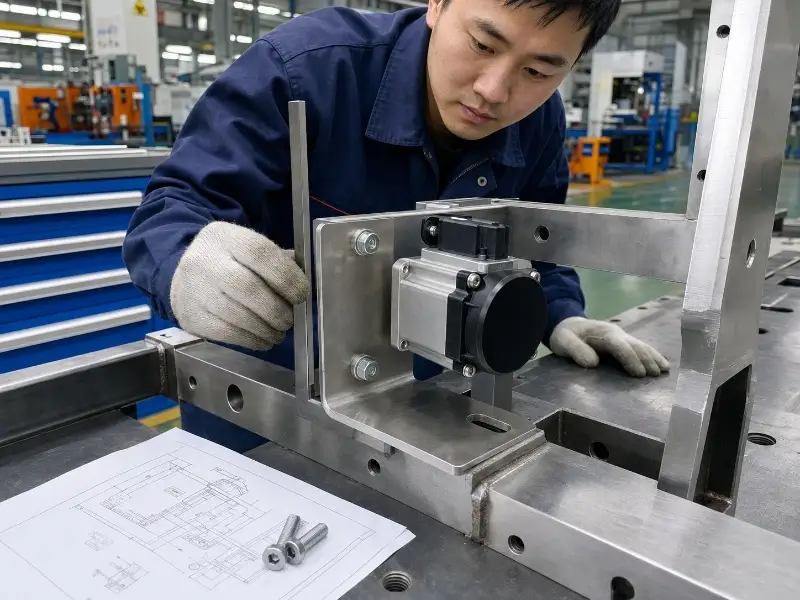
Incorrect hole spacing can stop the bracket from fitting mating components.
A small forming error can change the final mounting position.
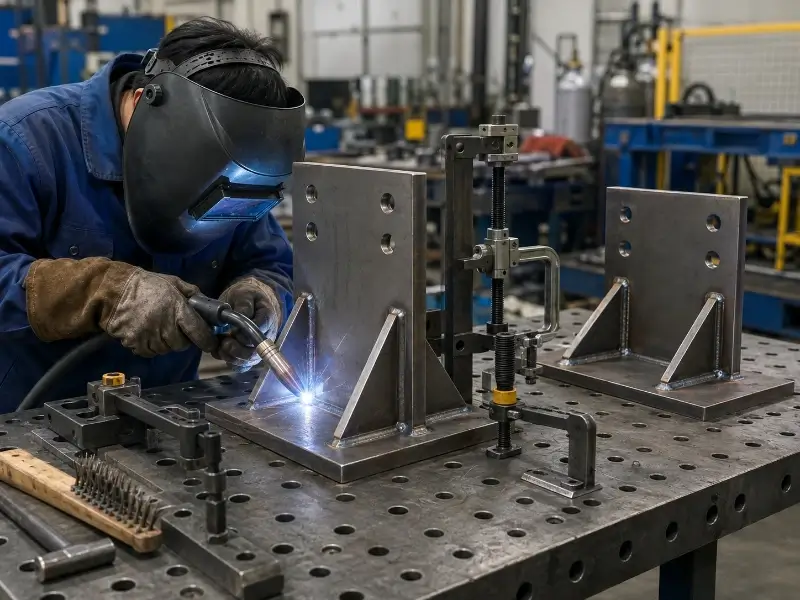
Heat can affect flatness, angles, and critical hole locations.
Excess coating can affect threads, press-fit holes, and grounding points.
Early review helps reduce assembly problems, drawing revisions, and unnecessary production costs.
The best construction depends on the load, available space, mounting method, production quantity, and expected design life.
TZR compares geometry, tolerances, quantity, tooling cost, and future design changes before recommending a process.
Material selection affects strength, weight, corrosion resistance, appearance, and production cost.
Identify masked areas, grounding points, cosmetic surfaces, protected threads, and holes affected by coating thickness.
Early-stage projects often change after prototype testing, so the production route should match both current demand and future volume.
After approval, the confirmed drawing and sample become the reference for future orders.
A production-ready bracket needs clear control over the features that affect assembly and performance.
Gussets, ribs, formed edges, shorter unsupported sections, and better fastener placement can increase stiffness with less weight.
Critical hole patterns need clear datums. Hole-to-bend spacing and bend radius must match the material and process.
Apply tight tolerances only to functional features and identify cosmetic surfaces directly on the drawing.
Mark grain direction, weld appearance, coating restrictions, and scratch-sensitive areas before production.
Quality control begins with the correct drawing, revision, material, dimensions, hardware, finish, and inspection requirements.
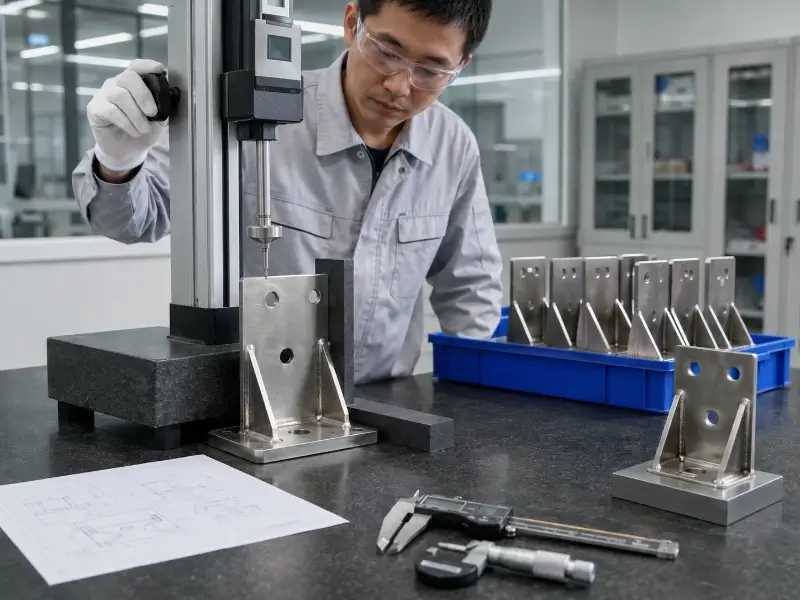
Confirm the revision and acceptance requirements.
Check critical features before releasing the full batch.
Track selected dimensions during production.
Compare completed parts with approved requirements before packaging.

 English
  Spanish
  German
  Russian
  Italian
  French