Types of CNC Machines: Uses, Differences, and How to Choose

CNC

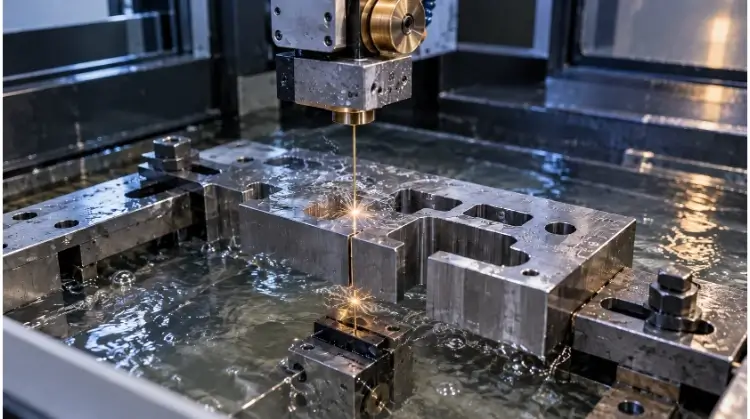
Wire EDM Cutting a Hardened Tool

Wire EDM Cutting: Tolerances, Design Rules, and Process Limits

Wire Electrical Discharge Machining (Wire EDM) is a precision non-contact manufacturing process that uses an electrically charged, continuously moving wire to cut through conductive metals. It relies on thermal sparks rather than mechanical force, making it ideal for cutting fully hardened alloys and achieving extreme tolerances.

Read More »
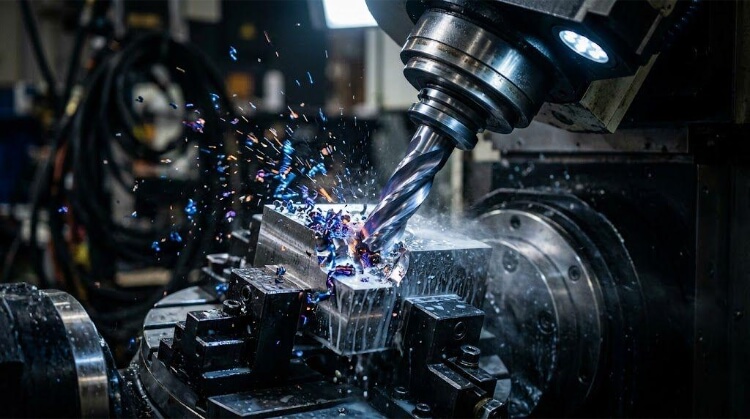
Long Chips During Stainless Steel Cutting

Stainless Steel Machining: Grades, Tooling, Tolerances, and Cost

Stainless steel machining is the process of cutting corrosion-resistant alloys like 304, 316, and 17-4 PH using CNC equipment. Due to its rapid work-hardening rate and low thermal conductivity, successful machining requires highly rigid setups, high-pressure coolant, and specialized carbide tooling to prevent rapid tool wear.

Read More »
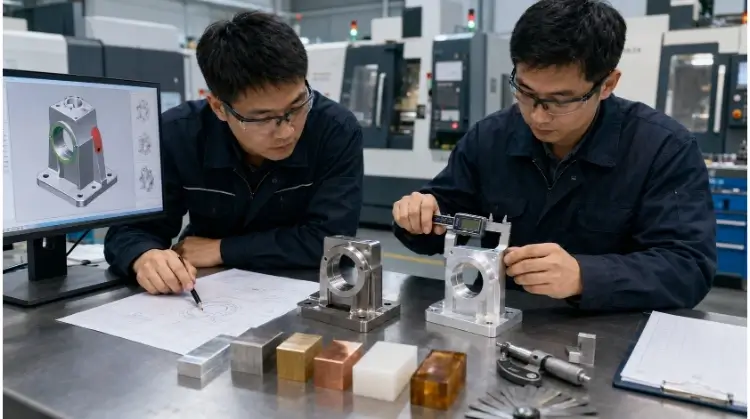
A Material Review Before the First Setup

CNC Machining Materials: How to Choose Metals and Plastics

The best CNC machining materials balance mechanical performance with high machinability to reduce costs. Standard choices include Aluminum 6061 for general lightweight parts, Stainless Steel 304/316 for corrosion resistance, POM (Acetal) for low-friction plastics, and Brass C360 for high-speed precision manufacturing.

Read More »
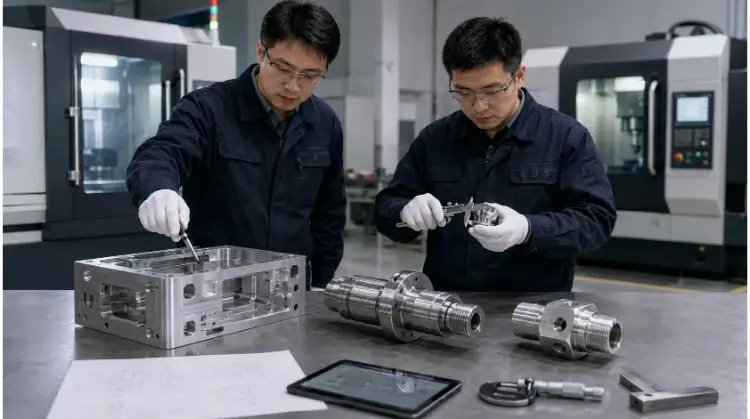
Three Machined Parts Awaiting a Process Decision

CNC Milling vs. Turning: Process Selection, DFM, and Cost

The main difference between CNC milling and CNC turning is the movement of the workpiece and the tool. In milling, a rotating cutting tool shapes a stationary part, ideal for flat and complex surfaces. In turning, the part rotates against a stationary tool, perfect for cylindrical components.

Read More »

Get in Touch with Us

Drag & Drop Files, Choose Files to Upload