 Russian
  English
  Spanish
  German
  Italian
  French
Электростатическая окраска - это высокоэффективный процесс нанесения покрытия на металл, в котором используется электрический заряд для притягивания распыленных частиц краски к заземленной металлической поверхности. Это создает 360-градусный эффект "оборачивания", обеспечивая равномерное, коррозионностойкое покрытие сложных деталей, максимизируя эффективность переноса и практически исключая отходы от перераспыления.
Этот процесс хорошо подходит для широкого спектра проводящих металлических деталей. Обычно он используется для деталей, обработанных на станках с ЧПУ, трубчатых рам и сложных корпусов, в которых трудно и трудоемко обработать все углы с помощью стандартного распылительного пистолета.
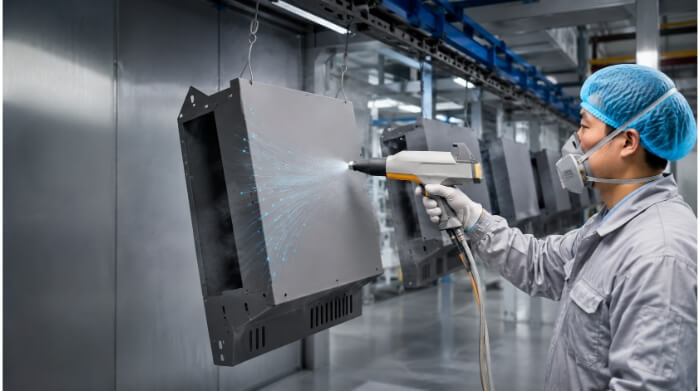
Как работает электростатическая покраска?
Эффективность электростатической покраски зависит от управления электрическими полями для направления краски. Этот процесс изменяет движение частиц краски из распылительного сопла и их сцепление с металлической поверхностью.
Принцип электростатики
В основе механизма лежит электрическое притяжение. Оборудование для распыления прикладывает высоковольтный и низкоамперный положительный заряд к жидкой краске, когда она выходит из сопла.
В то же время окрашиваемая металлическая деталь физически заземлена, что придает ей нейтральный или слегка отрицательный заряд. Благодаря этой разнице в полярности положительно заряженные частицы краски притягиваются непосредственно к заземленному металлическому объекту.
Подготовка поверхности
Правильная адгезия полностью зависит от чистоты поверхности. Перед покраской металлические детали должны пройти очистку и предварительную обработку. Как правило, она начинается с обезжиривания, чтобы удалить масла для обработки, смазки для штамповки и жидкости для резки.
После обезжиривания на заводах обычно наносят химическое преобразующее покрытие - например, фосфатирование для стали или хроматирование для алюминия. Такая обработка создает микрорельеф для лучшей адгезии и предотвращает окисление. Если остаются остатки масел, они нарушают электропроводность и приводят к слабой адгезии покрытия.
Распыление краски
Жидкая краска подается в пистолет-распылитель, где она распадается на мелкий туман. Это распыление обычно достигается за счет сжатого воздуха, давления жидкости или вращающихся колоколов.
Создание мелких капель одинакового размера - важнейший этап. Мелкие частицы эффективнее удерживают электрический заряд и более равномерно распределяются по поверхности детали, обеспечивая более гладкую окончательную обработку без сильного налета.
Электростатическое осаждение
Когда распыленная заряженная краска приближается к заземленной детали, электрическое поле направляет капли. В отличие от стандартного направленного распыления, частицы следуют за линиями электростатического поля.
Это физическое притяжение достаточно сильно, чтобы изменить траекторию полета краски. Оно тянет капли к ближайшей поверхности, позволяя краске активно обволакивать края, а не просто попадать на лицевые поверхности.
Сушка и отверждение
После нанесения жидкой краске требуется время, чтобы затвердеть и образовать прочную пленку. В зависимости от конкретного состава краски (например, эпоксидной, уретановой или эмалевой), отверждение происходит путем сушки на воздухе при комнатной температуре или запекания при низкой температуре.
Более низкие температурные требования являются значительным преимуществом для тонколистового металла или деталей из экструдированного алюминия. Благодаря отсутствию тяжелых высокотемпературных печей с температурой 200°C (400°F), необходимых для нанесения порошкового покрытия, предотвращается термическое коробление и деформация, которые могут привести к тому, что детали с жесткими допусками не пройдут проверку.
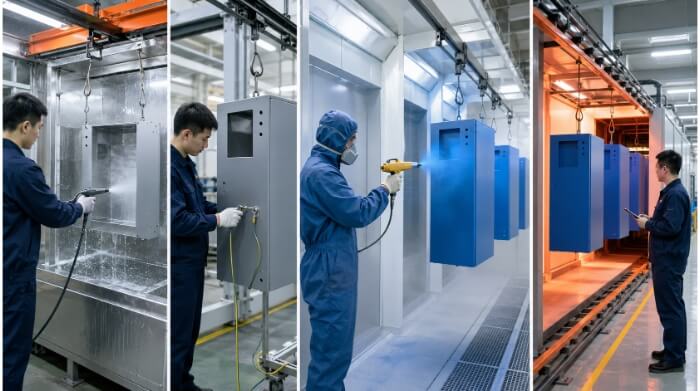
Почему производители выбирают электростатическую покраску?
При выборе процесс отделкиИнженеры и менеджеры по закупкам оценивают баланс между качеством покрытия и стоимостью обработки. Электростатическая окраска обладает особыми преимуществами по сравнению с традиционным воздушным распылением, особенно в отношении трудозатрат и эффективности использования материалов.
Эффективность передачи
Эффективность переноса измеряет процент краски, которая фактически прилипает к детали, по сравнению с тем, что теряется в воздухе в виде избыточного аэрозоля. Обычные системы распыления часто работают с эффективностью переноса от 30% до 40%, при этом впустую расходуется более половины материала.
При надлежащем заземлении и настройках оборудования электростатическая окраска обычно достигает эффективности переноса от 70% до 85%. Это заметное улучшение резко снижает расход краски и напрямую уменьшает удельную стоимость детали.
Охватывающее покрытие
При обработке сложных форм обычное распыление требует от оператора многократных проходов и углов, что увеличивает время обработки. Электростатическое поле создает эффект "обхвата", притягивая заряженные частицы краски к скрытым или труднодоступным участкам, таким как задние стороны цилиндрических труб или загнутые края штампованного листового металла.
Это физическое свойство значительно сокращает время ручного труда. Операторы тратят меньше времени на перестановку деталей и ручную доводку в "мертвых зонах", что упрощает общий производственный цикл и повышает производительность.
Постоянство отделки
Распространенной проблемой при стандартном ручном распылении является неравномерная толщина слоя краски, что может привести к образованию подтеков, потеков или тонких участков. Поскольку заряженные частицы краски естественным образом отталкиваются друг от друга в воздухе, но притягиваются к металлу, они распределяются равномерно.
После нанесения покрытия на участок металла он становится временно изолированным. Это заставляет оставшиеся заряженные частицы автоматически искать непокрытые или более тонкие участки, что приводит к гораздо более жесткому допуску на конечную толщину пленки и высокому качеству косметической отделки.
Экономия материалов и окупаемость инвестиций
Более высокая эффективность переноса означает меньший расход жидкой краски на один производственный цикл. Меньшее количество перерасхода краски также означает меньшее количество замен фильтров в окрасочной камере, меньшее время простоя для очистки оборудования и меньшие затраты на утилизацию опасных отходов и летучих органических соединений.
Для менеджеров по закупкам такая эффективность напрямую влияет на итоговый результат. При непрерывном производстве сокращение расхода сырья и отходов становится более рентабельным при увеличении объема производства, что быстро компенсирует первоначальные инвестиции в специализированное оборудование для электростатического распыления.
Требования к дизайну перед покраской
Распространенной ошибкой при разработке изделий является отношение к процессу отделки как к чему-то второстепенному. Электростатическая покраска придает измеримую толщину и изменяет свойства поверхности, что напрямую влияет на то, как детали сочетаются друг с другом.
Допуск на толщину покрытия
При электростатическом окрашивании толщина пленки на покрываемой поверхности обычно составляет от 25 до 75 микрон (от 1 до 3 мил). Хотя это обеспечивает отличную защиту, это изменяет конечные размеры детали.
Инженеры должны четко указывать, применяются ли размеры и допуски на 2D-чертеже "до окраски" или "после окраски". Для высокоточных Обработанные детали с ЧПУ или деталей из листового металла с жесткими допусками, четкое определение этого на чертеже позволяет избежать разногласий по размерам при окончательном контроле качества.
Монтажный зазор
Если две окрашенные детали должны прилегать друг к другу, в конструкции необходимо предусмотреть двойную толщину покрытия. Для скользящих соединений, петель или плотных швов листового металла инженеры обычно оставляют минимальный зазор от 0,1 мм до 0,15 мм.
Если зазоры при сборке слишком велики, операторам приходится с силой сжимать детали на сборочной линии. Это трение часто соскабливает краску с сопрягаемых поверхностей, подвергая голый металл потенциальной ржавчине и ухудшая косметический вид.
Маскировка резьбы
Поскольку электростатическая краска обволакивает края и сильно прилипает, она легко покрывает внутреннюю поверхность резьбовых отверстий. Когда краска затвердевает внутри резьбы, она изменяет шаг резьбы и приводит к заклиниванию или срыву винтов при сборке.
Чтобы предотвратить это, все резьбовые отверстия, особенно M4 и меньше, должны быть физически защищены. Проектировщики должны явно написать "Маскировать все резьбовые отверстия" в заголовке или технических примечаниях к 2D-чертежу. На производстве рабочие будут вставлять высокотемпературные силиконовые пробки или специальные маскирующие точки, чтобы заклеить эти отверстия до того, как деталь попадет в камеру распыления.
Токопроводящие контактные зоны
Много металлические корпуса используются для электроники и требуют, чтобы определенные участки оставались неокрашенными и служили точками электрического заземления. Поскольку отвердевшая краска действует как изолятор, распыление на всю деталь нарушит электрическую целостность.
Проектировщики должны четко указать эти заземляющие площадки, шпильки или контактные зоны для защиты от электромагнитных помех на производственных чертежах, а не просто показать их в 3D-модели. Затем производственная команда наклеит на эти зоны специальную маскирующую ленту, чтобы обеспечить контакт металла с металлом на окончательной сборке.
Проблемы качества и контроль процессов
Хотя электростатическая окраска обеспечивает высокую эффективность переноса, этот процесс очень чувствителен к физическим и внешним воздействиям. Постоянное качество покрытия в значительной степени зависит от строгого управления цехом.
Качество заземления
Весь процесс электростатического притяжения зависит от наличия у детали надежного электрического заземления. Детали обычно подвешивают на металлических крюках или стойках, когда они проходят через окрасочную камеру.
За несколько производственных циклов эти крючки покрываются слоями затвердевшей краски, которая действует как изолятор. Если стойки не очищаются регулярно, деталь теряет связь с землей. Чтобы сохранить электрическую целостность, на заводах обычно используют высокотемпературные печи для обжига или ванны для химической зачистки, чтобы регулярно очищать стойки до голого металла.
Настройки напряжения
Напряжение, подаваемое на пистолет-распылитель, регулирует силу электростатического поля. Увеличение напряжения обычно повышает эффективность переноса, но слишком высокое напряжение вызывает непредвиденные проблемы.
Чрезмерное напряжение может вызвать дефект, известный как обратная ионизация. Это происходит, когда на поверхности скапливается слишком много заряженных частиц, которые начинают отталкивать новые капли краски, в результате чего образуется грубая, неровная текстура, известная как "апельсиновая корка".
Температура и влажность
Микросреда внутри фабрики напрямую влияет на электропроводность краски и воздуха. Если воздух слишком сухой, статический заряд передается неэффективно, что снижает эффективность покрытия.
И наоборот, если влажность слишком высока, это может привести к возникновению электрической дуги между пистолетом и деталью или задержать влагу под лакокрасочной пленкой. Для поддержания стабильности этих параметров обычно требуется поддерживать климат в окрасочной камере.
Эффект клетки Фарадея
При окрашивании деталей с глубокими выемками, внутренними углами или U-образными каналами электростатическое поле естественным образом концентрируется на внешних краях, расположенных ближе всего к пистолету. Это создает "клетку Фарадея", которая физически отталкивает частицы краски от внутренних углов.
Чтобы преодолеть это ограничение, операторы не могут просто полагаться на электростатическое притяжение. Они должны вручную регулировать оборудование - как правило, снижая напряжение на пистолете, чтобы ослабить электрическое поле, и увеличивая давление воздуха, чтобы физически заставить распыленную краску проникнуть в углубления.
Распространенные дефекты покрытий
Даже при строгом контроле процесса иногда могут возникать локальные дефекты, такие как провисания или тонкие участки. Поскольку электростатическая краска плотно прилегает к подготовленной металлической поверхности, простое удаление дефектов часто нецелесообразно.
Переделка дефектной детали обычно включает в себя полное удаление покрытия. На заводах обычно используют химические средства для снятия краски или легкую абразивную обработку, чтобы очистить деталь до голого металла. После повторного процесса окрашивания деталь обычно проверяется на соответствие промышленным стандартам, таким как ASTM D3359 - тест на адгезию с перекрестной штриховкой, чтобы убедиться в правильности нанесения нового слоя.
Электростатическая покраска по сравнению с другими методами нанесения покрытий
Выбор правильного процесса финишной обработки требует соблюдения баланса между геометрией детали, свойствами материала и конкретными пределами допусков. Несмотря на высокую эффективность электростатической окраски, инженеры и менеджеры по закупкам должны оценить, насколько она сравнима с альтернативными методами.
Обычная окраска распылением
Обычное воздушное распыление основывается исключительно на давлении воздуха для распыления и направления краски. Основным преимуществом является низкая стоимость оборудования и возможность окрашивать непроводящие материалы, такие как дерево или пластик, без специальной подготовки.
Однако при этом обычно теряется от 50% до 70% краски в виде избыточного аэрозоля. Поэтому традиционное распыление обычно используется для очень малых объемов работ или крупногабаритных деталей, где установка системы электростатического заземления нецелесообразна.
Порошковое покрытие
Порошковое покрытие Наносит электростатическим способом сухой пластиковый порошок, который затем расплавляется в печи при температуре около 200°C (400°F), образуя твердую оболочку. Как правило, это более толстое (от 75 до 150 микрон) и прочное покрытие, чем жидкая краска.
Однако порошковое покрытие не подходит для узлов, содержащих резиновые уплотнения или пластик. Высокая температура отверждения также может привести к деформации тонколистового металла. В таких случаях предпочтительнее использовать электростатическую жидкую краску.
Нанесение покрытия методом погружения
Покрытие методом окунания предполагает погружение всей металлической детали в емкость с жидкой краской. Это гарантирует эффективность переноса 100% и эффективно покрывает внутренние полости, но не позволяет контролировать толщину. При извлечении детали под действием силы тяжести краска скапливается и капает на нижние края.
Примечание: Традиционное покрытие методом окунания отличается от электрофоретического осаждения (E-coating). Хотя E-coating также использует электрический ток в ванне с жидкостью, оно требует гораздо более сложного управления жидкостью. Традиционное покрытие методом окунания часто дает очень неровное покрытие, что делает его непригодным для прецизионных механических узлов.
Выбор процесса
Решение обычно сводится к точности и термочувствительности. Если деталь требует толстого, сверхпрочного защитного слоя и может выдерживать температуру 200°C, порошковое покрытие, как правило, является стандартным выбором.
С другой стороны, электростатическая покраска становится более практичным вариантом для конкретных случаев. Она лучше всего подходит, если деталь имеет жесткие допуски при сборке, состоит из тонкого листового металла, склонного к термическим деформациям, или требует высокоспецифичной жидкой краски аэрокосмического класса.
Стоимость, применение и пригодность для производства
Оценка финансовой рентабельности электростатической покраски в значительной степени зависит от масштабов производства и сложности компонентов.
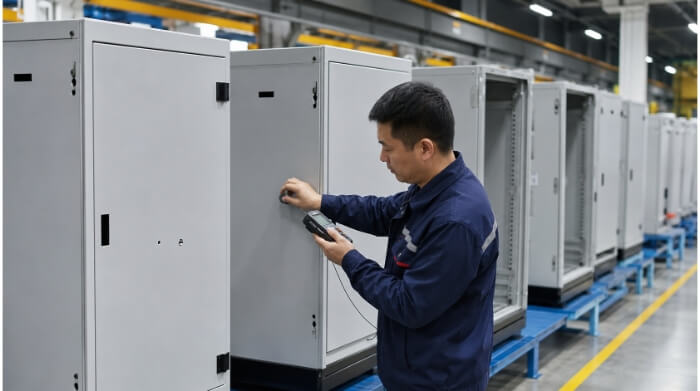
Типовые применения
Поскольку он обеспечивает превосходное покрытие сложных геометрических форм, этот метод хорошо подходит для конструкций с открытыми рамами и сложных корпусов.
Типичные области применения включают корпуса для медицинских приборов, телекоммуникационные шкафы, шасси, изготовленные на заказ с ЧПУ, и алюминиевые экструдированные рамы. Он особенно эффективен для деталей с жалюзи, охлаждающими ребрами или перфорированными секциями.
Объем производства
Время подготовки к работе при электростатическом окрашивании больше, чем при обычном распылении. Операторы должны обеспечить надлежащее заземление и настроить специальные параметры напряжения. Для одного прототипа трудозатраты на настройку линий подачи жидкости могут перевесить экономию на материалах.
Однако при малых и средних объемах (от сотен до десятков тысяч деталей) процесс становится очень экономически эффективным. В таких случаях резкое сокращение расхода краски и времени на ручную доводку быстро поглощает первоначальные затраты на установку.
Инвестиции в оборудование
Для производителей интеграция электростатических систем требует значительных предварительных инвестиций в специализированные пистолеты-распылители, изолированные системы подачи жидкости и заземленные камеры распыления.
Для менеджеров по закупкам это означает работу с поставщиком, который уже имеет такую инфраструктуру. Общая стоимость единицы продукции у хорошо оснащенного поставщика часто ниже, просто за счет объема краски, сэкономленной в процессе производства.
Термочувствительные компоненты
В некоторых производственных проектах используются детали, которые нельзя подвергать воздействию высокой температуры. К ним относятся предварительно собранные компоненты с прокладками или впрессованными пластиковыми вставками.
Она также применяется к особым алюминиевым сплавам, таким как 6061-T6 или 7075, которые могут потерять свою закалку и структурную прочность при повышенных температурах. Поскольку электростатическая жидкая краска может быть разработана таким образом, чтобы высыхать на воздухе при комнатной температуре или отверждаться в условиях низкой температуры (около 60-80°C), она надежно покрывает эти компоненты, не подвергая их термической деградации.
Заключение
Электростатическая окраска позволяет преодолеть разрыв между отходами материала при обычном распылении и тепловыми ограничениями порошковой окраски. Используя электрические поля для направления частиц краски, она обеспечивает превосходное покрытие по всей поверхности и значительную экономию материала на сложных металлических деталях.
Однако реализация этих преимуществ требует правильного планирования. Инженеры должны учитывать толщину покрытия на этапе разработки САПР и четко определять требования к маскировке на производственных чертежах, чтобы избежать проблем при сборке.
Если вы не уверены в том, как толщина покрытия повлияет на вашу следующую сборку, Команда инженеров TZR может помочь. Мы изучаем модели CAD, чтобы рекомендовать наиболее надежный и экономичный процесс отделки для вашего проекта.
Вопросы и ответы
Можно ли использовать электростатическую покраску для пластиковых деталей?
Как правило, нет. Электростатический процесс требует, чтобы деталь была электропроводящей и заземленной для притяжения заряженной краски. Однако пластик можно окрашивать электростатическим методом, если предварительно покрыть его специальным проводящим грунтом.
Сложно ли менять цвета при электростатической покраске?
Смена цвета занимает больше времени, чем при использовании обычных краскопультов. Поскольку краска жидкая и проходит через специальную систему подачи жидкости, операторы должны тщательно промывать насосы и шланги. Они должны очищать пистолет растворителем, чтобы предотвратить загрязнение цвета и короткое замыкание. Поэтому всегда наиболее эффективно перед сменой цвета выполнять целые партии одного цвета.
Какова толщина покрытия по сравнению с порошковой окраской?
Электростатическая жидкая краска заметно тоньше. Обычно толщина пленки составляет от 25 до 75 микрон (от 1 до 3 мил). Порошковая окраска, напротив, обычно начинается с 75 микрон и может превышать 150 микрон (от 3 до 6 мил). Более тонкий профиль электростатической краски делает ее гораздо более подходящей для высокоточных компонентов с небольшими монтажными зазорами.