
 English
 Spanish
 German
 Russian
 Italian
 French
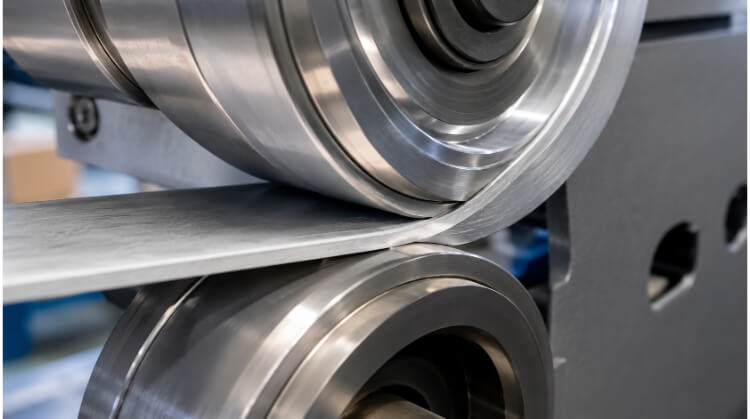
Sheet Metal Roll Bending: Process, DFM & Costs
Sheet metal roll bending is a cold forming process that uses three or four adjustable rollers to continuously bend flat
Sheet metal roll bending is a cold forming process that uses three or four adjustable rollers to continuously bend flat
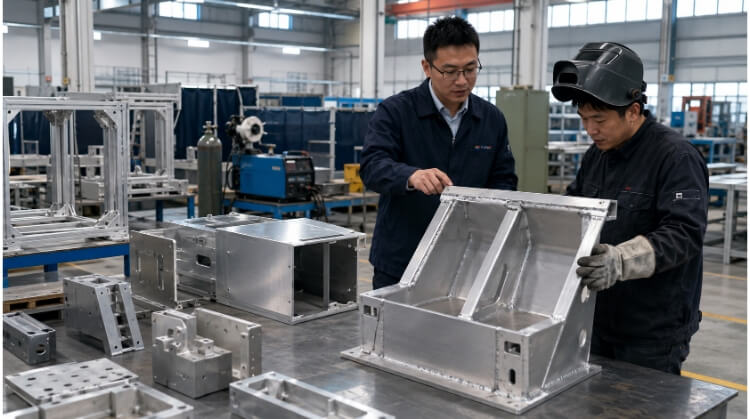
GMAW (MIG) aluminum welding is a high-deposition manufacturing process requiring specialized push-pull wire feeding and 100% argon shielding to prevent porosity. Success depends on mechanical oxide removal and managing aluminum’s high thermal conductivity through rapid travel speeds and controlled heat input.
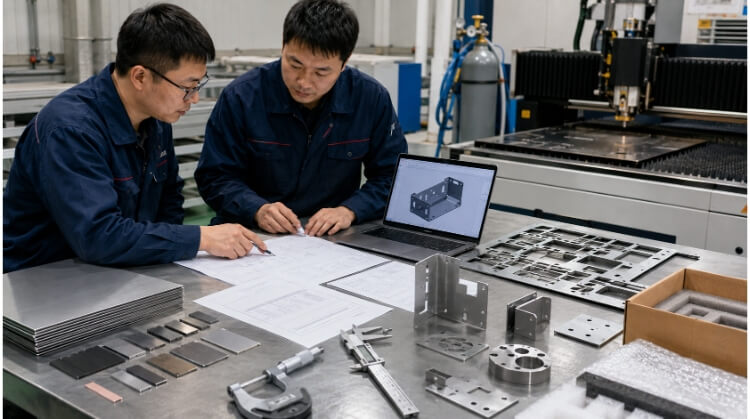
When quoting sheet metal parts, laser cutting cost is never a flat rate. Behind every supplier’s quote is a strict,
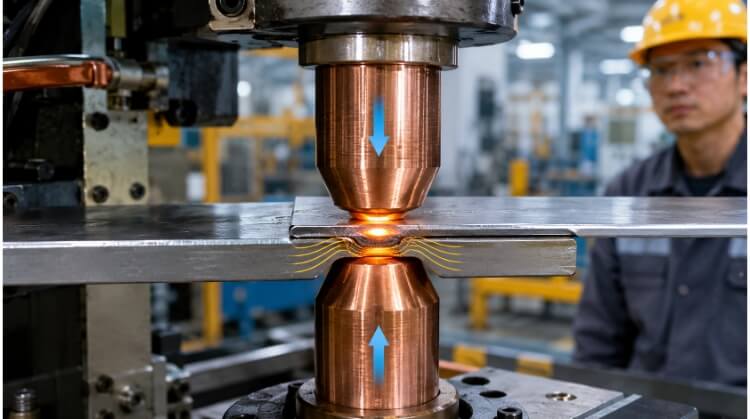
Spot welding is a resistance welding process used to fuse overlapping sheet metals at specific contact points without filler material. By applying pressure and high electrical current through copper electrodes, it creates strong, localized joint nuggets, offering an efficient solution for high-volume manufacturing.
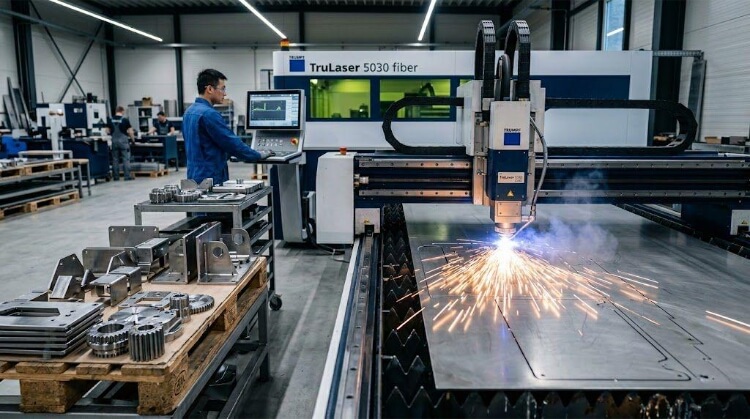
Laser cutting stainless steel is a precision manufacturing process that uses a focused fiber laser and high-pressure assist gases, typically nitrogen, to melt and evacuate the alloy. Unlike processing standard carbon steel, cutting stainless steel requires strict control over heat input and gas dynamics to prevent thermal distortion, oxidation, and hard dross formation on the cut edge.
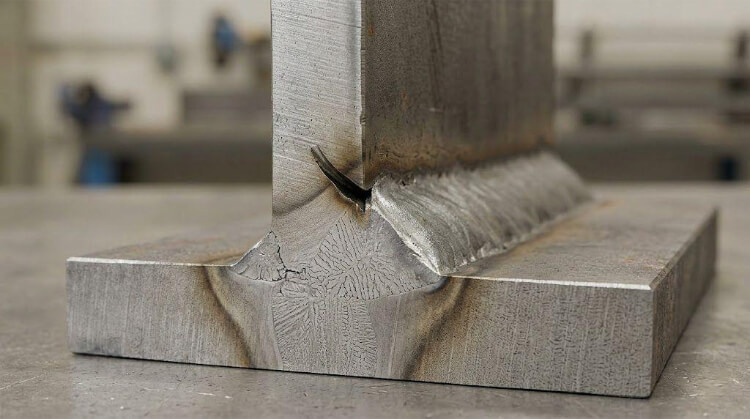
A welding undercut is a structural defect characterized by an unfilled groove melted along the weld edges. Triggered by excessive current or improper travel speed, it thins the base metal and acts as a stress riser, severely compromising the weld’s mechanical strength and fatigue resistance.
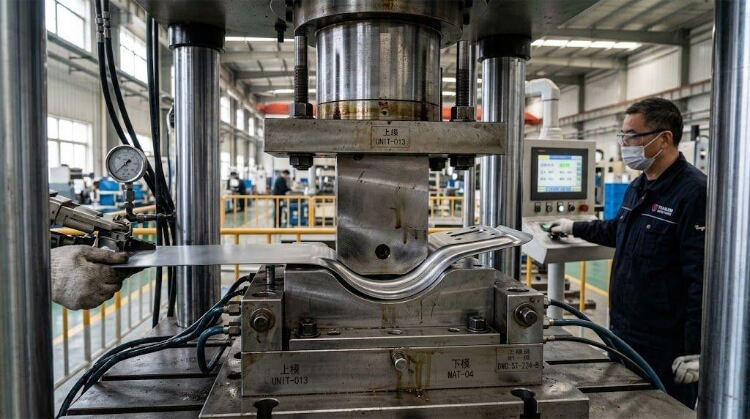
Cold stamping is a metal forming process that shapes sheet metal at room temperature without changing its microstructure. It is widely used in high-volume manufacturing because it supports fast cycle times and consistent part production with stable dimensional control. Compared to hot stamping, cold stamping generally provides better surface finish and higher dimensional accuracy, but it is more sensitive to material selection, part geometry, and tool design.
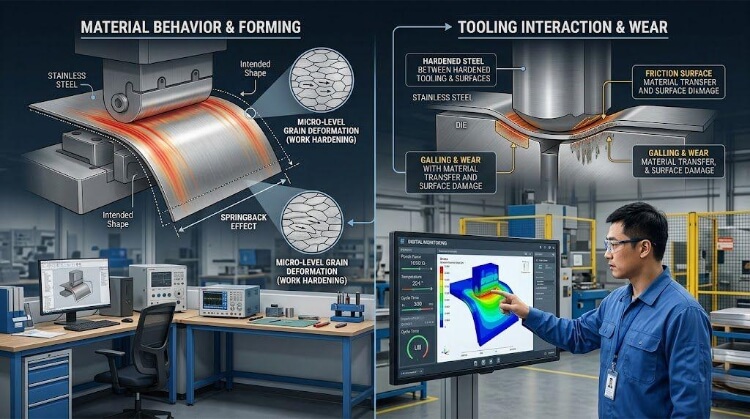
Processing stainless steel requires a fundamental shift in stamping strategy compared to mild steel or aluminum. On the shop floor,
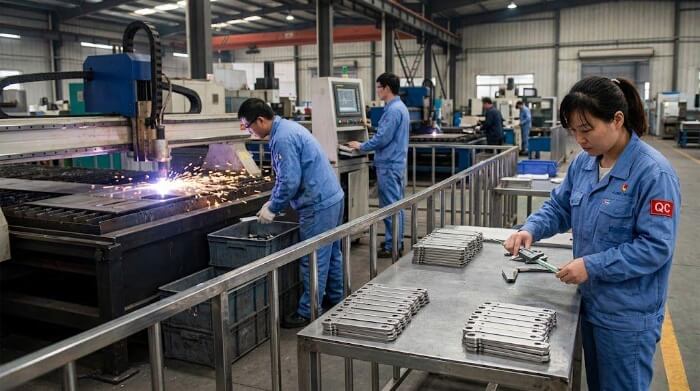
Plasma cutting melts stainless steel using a high-velocity, electrically ionized gas jet. To prevent edge oxidation and minimize dross, industrial fabricators use shielding gases like Nitrogen or H35 (Argon/Hydrogen) instead of compressed air. It rapidly processes mid-to-heavy plates, though precise speed control is essential to minimize the heat-affected zone (HAZ).
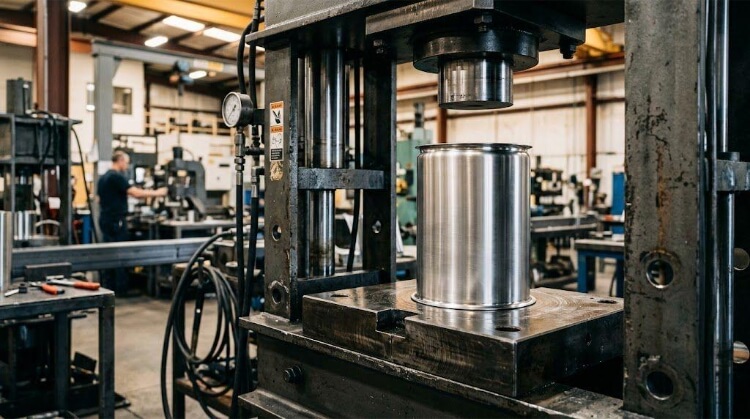
Deep drawing stainless steel delivers excellent durability and corrosion resistance for seamless hollow parts, but it presents immediate manufacturability challenges.
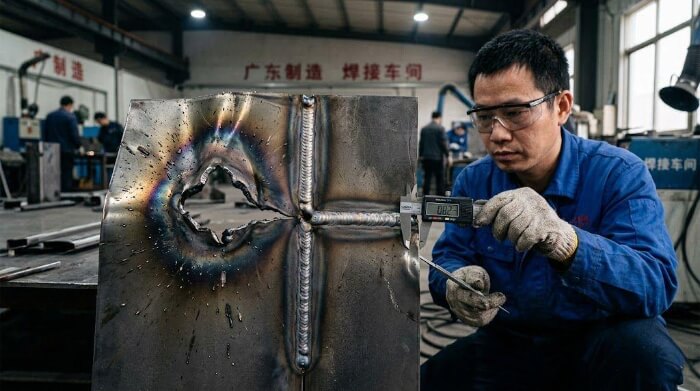
Welding thin sheet metal is an exercise in strict heat management. Unlike heavy structural plates that naturally absorb and dissipate
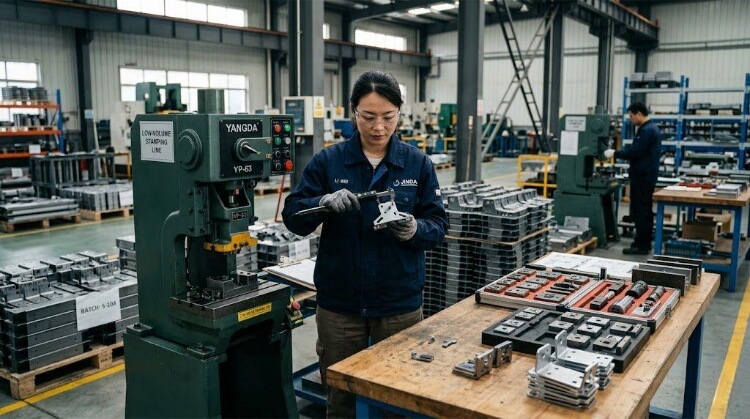
Short run stamping is a cost-effective manufacturing process for low-to-mid volume production (typically under 50,000 units). Instead of building one large and expensive tool, engineers use a set of simple, flexible tools. This approach saves money on upfront costs. It also helps you get your parts much faster. It is a great choice for testing new designs or making quick changes without spending too much.